This guide helps you handle service inquiries tied to phone number 06110695394 with a practical, compliance-minded approach. In the background, learn how suppliers manage inbound calls, how callers can reduce misrouting, and why clear documentation matters for repairs and procurement. The guide stays objective and focuses on what to prepare before contacting a supplier.
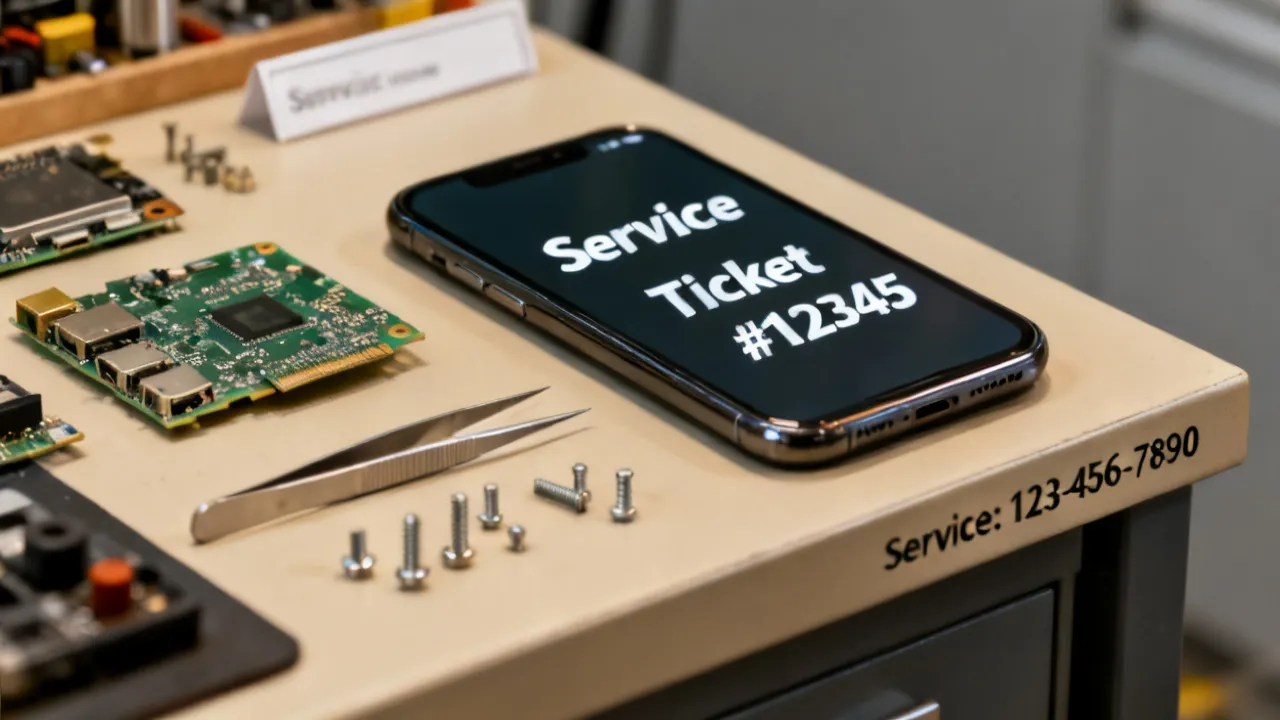
Phone number 06110695394 is best treated as a service-inquiry identifier—a concrete way to route your request to the right workflow. If you are contacting a supplier or service desk, prepare the context (device/model, issue summary, desired timeline, and purchase/repair reference details) before dialing. When used correctly, it improves first-contact resolution, reduces handoffs, and helps the supplier verify eligibility and parts availability.
In many industries—electronics repair, appliance servicing, industrial maintenance, and parts procurement—central phone numbers operate like a front-door routing system. A number such as 06110695394 typically connects to a call queue, CRM entry point, or dispatch workflow. The supplier’s internal team can then match your inquiry to:
From an industry perspective, the most common failure mode is not the phone number itself—it’s the absence of structured information when the call is placed. Without it, even a correctly dialed number can lead to transfers, repeated questions, or delayed quotations.
It also helps to understand that many service organizations are designed around standardized intake. For example, a technician can’t quickly price a repair without knowing what component family you’re in, what revision your device uses, and whether the issue sounds like a known failure pattern. Those “triage” steps are often triggered right at the call intake stage—meaning the number you call is only half the story. The other half is how clearly you package your request.
When you reach the supplier via 06110695394, the goal is to “compress” your request into a format the service desk can act on immediately. Consider this checklist:
To make this even easier, you can prepare a “call script” in 30–60 seconds. It doesn’t have to be word-for-word, but it should follow a logical order: purpose → item identification → symptoms → references → desired outcome. When you lead with the purpose and then the item identity, you help the call handler route you correctly.
Many people hesitate to call because they worry they won’t explain the issue correctly. In practice, you don’t need technical perfection—you need clarity. Here are a few examples you can adapt:
Notice how each example requests the next step explicitly. That’s a key advantage: the service desk can’t just answer; they need to move you to the correct workflow stage (diagnostics scheduling, parts confirmation, shipping instructions, or warranty validation).
You mentioned “price information,” which—because exact pricing was not provided—should be approached with caution. In most legitimate supplier processes, pricing is determined after confirmation of:
To avoid surprises, ask the supplier to specify the pricing components (parts + labor + testing + shipping) and confirm whether any diagnostic step is required before a full quote is issued.
It can also help to ask about quote structure and approval flow. For example:
If you’re comparing suppliers, this structure matters more than a single “lump sum” number. A lower initial figure can become more expensive if diagnostic conditions, hidden labor lines, or non-creditable fees apply. Conversely, a slightly higher estimate might be better if it includes comprehensive testing or uses OEM parts with clear warranty coverage.
Because you provided a supplier-leaning context but not a named organization, the responsible approach is to focus on verification questions rather than guessing identity. When dealing with service number 06110695394, verify:
This is consistent with common industry best practices and aligns with typical procurement governance: you want traceability, documented scope, and predictable service terms.
Verification questions don’t have to be confrontational; you can frame them as “documentation requirements” for your own records. For instance: “Can you share the warranty terms in writing?” or “Could you confirm whether you’re using OEM or approved compatible parts?” Service desks generally welcome these questions because they reduce disputes later.
From an operational standpoint, service desks use structured call intake to reduce downstream cost. When callers provide consistent data, suppliers can:
These are qualitative outcomes well known across service industries. For quantitative benchmarks, companies often reference internal metrics; publicly, the best references are usually available through industry associations or standards bodies.
It’s also useful to recognize why documentation is emphasized. A repair may require authorization steps that depend on warranty coverage. Warranty validation often requires proof of purchase, correct serial number mapping, and sometimes confirmation of installation conditions (especially for appliances, industrial units, and equipment that depends on regulated components). Without documentation, suppliers might delay service until eligibility is confirmed.
The table below compares practical approaches you can take when contacting a supplier via 06110695394. It is written to help you decide how much detail to provide and what conditions typically apply.
| Approach | What you provide | What the supplier typically does | Conditions/requirements |
|---|---|---|---|
| Fast intake | Model + serial number (if available) + symptoms + preferred action (repair or parts) | Routes to diagnostics/pricing workflow; may request photos or error codes | Caller can confirm item identity and basic fault description |
| Pre-quotation inquiry | Issue summary + operating context + expected usage conditions | Confirms whether a diagnosis fee applies; estimates parts category | Supplier may require inspection for a final price |
| Authorized service path | Proof of purchase/warranty info + service authorization details | Validates coverage; schedules service or approval steps | Documentation must match policy requirements |
| Parts procurement inquiry | Exact part number or full equipment spec; compatibility requirements | Checks stock/lead time; provides ordering options | Correct part identification is required to avoid returns |
| Repair with data-handling plan | Information about data sensitivity; request for backup/wipe guidance | Advises secure handling; schedules diagnostics | Device access and agreed data-handling process |
Use this sequence to minimize back-and-forth when you contact 06110695394:
Write down the model, serial number (if applicable), purchase reference (if relevant), and the symptoms. Keep it concise but complete. If there are error codes, copy them exactly as shown. If the issue is intermittent, note how often it occurs and under what conditions (power cycles, temperature, load, usage duration, network connectivity, or environmental factors).
Also consider including what you’ve already tried. Many call handlers ask this instinctively because it influences whether diagnostic tests should focus on the most likely causes. For example:
Ask whether your inquiry is treated as repair, warranty validation, or parts procurement. Different categories have different pricing and scheduling rules. This matters because a “parts procurement” pathway often avoids labor/diagnosis fees but requires correct part identification. A “repair” pathway may include diagnostic testing and labor estimates, and warranty validation may require documentation before work proceeds.
Instead of asking only “How much?”, ask how pricing is composed: diagnostics (if applicable), parts, labor, and shipping/handling. This is the most objective way to prevent misunderstandings.
You can also ask:
In many systems, final pricing depends on inspection. Ask what triggers a diagnosis fee and whether it is creditable toward repair. Also ask whether the diagnostic tests are “standard” or whether they require additional authorization. Some service desks will have different levels of testing depending on the initial symptom profile.
If your device must be shipped for inspection, ask what packaging requirements are. Poor packaging can cause transit damage, which can lead to disputes about service eligibility. A legitimate supplier should provide packaging guidance or require confirmation of proper protective materials.
Ask expected turnaround and what happens if parts are not available. A supplier should be able to explain whether they can source alternates and how that impacts cost and delivery time.
Timeline clarity often includes two elements:
If you have a critical deadline, explicitly ask about escalation options: whether a repair can be prioritized, whether loaner parts or temporary alternatives are possible, and whether the supplier offers express shipping for both directions.
After the call, save any reference number or written instructions. If the supplier requests photos, follow their exact format and include all requested angles. Documentation is not just for your peace of mind; it helps if you later need to prove what the supplier promised (e.g., quote components, warranty confirmation steps, or diagnostic credits).
If the supplier sends forms or emails, keep copies. Many disputes arise from missing attachments or mismatched device identifiers. If the call handler provides a ticket number, quote reference, or shipping authorization code, record it immediately.
Your keywords did not specify a named city or country. If a supplier offers service coverage for a specific service zone, you may encounter terms like “nearby” rather than explicit city names. In practice, that usually affects:
If you are told that service is available “nearby,” request the exact coverage boundary and the method used to confirm eligibility.
You can ask for clarification in plain language, for example:
Being explicit about your location and preferred logistics reduces the likelihood that you’ll be told later that you must use a more expensive shipping method or that pickup is not available for your area.
06110695394 appears in your request as a phone number tied to service inquiries. In typical supplier operations, such numbers are call routing points for diagnostics, repair scheduling, and parts procurement. Treat it as a contact identifier and confirm the supplier’s service category during your call.
If you want the supplier to verify warranty eligibility or ensure compatibility for parts, sharing the relevant identifiers is standard. However, ask about data privacy handling and confirm that your information is used only for service processing.
In practice, it can help to share only what they need. If they request full invoice documents, ask whether they require the entire invoice or just certain fields (invoice number, purchase date, and retailer). If you’re concerned, you can ask whether they accept screenshots with sensitive fields blurred—assuming their policy allows it. The key is to keep the process compliant while still protecting your data.
Provide: exact model/spec, the symptom description, any error messages, and the context of how the item is used. Ask the supplier to explain which diagnostic step is required to finalize the quote.
Also ask whether the quote assumes specific configuration options. For example, some equipment variants differ by region, power rating, software revision, or internal components even when they share a similar model name. That’s why “model + serial number” is often more reliable than model name alone.
Service desks often request visual confirmation to reduce misdiagnosis and avoid ordering incompatible components. It also improves safety and testing efficiency.
Photos can include device labels, ports, damage indicators, and sometimes internal component views if the supplier allows user access. If you’re unsure which photos are required, ask the service desk for a checklist. A checklist prevents wasted time and helps ensure the supplier can verify details without multiple follow-ups.
Sometimes there is a preliminary estimate, but final pricing commonly depends on inspection, test results, and confirmed parts compatibility. Ask whether any diagnostic fee applies and whether it is applied toward the final repair cost.
Good suppliers try to avoid “surprise charges,” but the reality is that diagnostics often reveals additional issues. A best-practice approach is to ask how they handle additional discoveries: whether they pause for approval and how they itemize additional labor or parts.
Ask for expected lead time, sourcing options (OEM vs approved alternatives), and how substitutions are handled. Confirm whether substitutions require your approval before proceeding.
It’s also helpful to ask whether the supplier can offer alternatives that preserve function even if they can’t match the original part exactly. Some service organizations may propose a “compatible replacement” that is approved for the same equipment family. If substitutions are offered, confirm compatibility criteria and what warranty applies to the alternative part.
Not necessarily. What matters is the completeness of your intake. A well-prepared call often improves speed because it reduces routing and repeated questions.
Speed typically depends on availability of technicians, current workload, shipping logistics, and parts supply chain constraints. Still, you can improve your odds by requesting clear next steps: when the item should be delivered, how long diagnostics take, and when you’ll receive a status update.
Follow the supplier’s next-step instructions precisely, keep a record of reference numbers, and submit requested documentation (photos, forms, or identification details) in the specified format.
Additionally, confirm any shipping instructions in writing if possible. If they provide a shipping address, keep it consistent with the authorization provided. If you have to include the reference number on the shipping label or packing slip, do so—this reduces the chance the device enters the wrong queue and delays diagnosis.
Because you asked for objectivity and to avoid unverified, potentially controversial, or exaggerated claims, this article refrains from stating any unconfirmed pricing figures or supplier identities. If you need official confirmation of service terms, the most reliable approach is to request written confirmation from the supplier associated with 06110695394, including service scope, warranty conditions, and the pricing breakdown structure.
In practice, “written confirmation” can take several forms: email responses, service quotations, warranty coverage statements, or ticket confirmations within a service portal. When these documents exist, they provide a defensible record if anything goes wrong—such as a disagreement over whether a diagnostic fee was credited or whether the supplier promised a specific lead time.
If you want to be extra thorough, you can ask for the following documentation during the call:
Phone number 06110695394 is most useful when treated as the start of a structured service workflow, not just a dial-out contact. By preparing device details, describing symptoms precisely, and asking for transparent quote components, you increase the likelihood of accurate diagnosis and smoother procurement or repair scheduling. If “nearby” service coverage applies, confirm the boundary and next-step logistics early—then document everything for a predictable outcome.
If you want the call to move quickly, prepare answers to the following. You don’t need to get them perfect—just as complete as you can:
Having these items ready turns your call into a structured intake. The service desk can then translate your information into the internal codes and workflows they use to schedule diagnostics or order parts.
Warranty is often where repairs become complicated—especially if the device includes service history, modifications, or parts replacements. To avoid misunderstandings, ask targeted questions:
Then ask how warranty interacts with diagnostics: if there’s a diagnostic fee, is it waived under warranty, or is it credited toward the repair authorization?
If the equipment is a phone, laptop, tablet, network device, control unit, or anything that stores user accounts, logs, or business data, ask about safe handling procedures. While suppliers vary, common best practices include:
Even if you plan to wipe the device yourself, you can ask what steps the supplier recommends to avoid repair interference (for example, whether wiping removes needed calibration or licensing data). A good service desk will provide guidance so you don’t lose required configuration and then get blamed for missing settings later.
Many repairs stall not because the technician can’t diagnose them, but because logistics information is incomplete. When service requires shipping or pickup, ask:
If you’re shipping, tracking and proof of delivery are your safety net. Keep your tracking number and any confirmation that the supplier received the package. If service requires photos on arrival, ask whether you should document the condition before shipping.
Technicians don’t only need “what’s wrong.” They also need “how it behaves.” Your fault description can be structured using a simple pattern:
Even if you don’t know the component, you can describe these behaviors accurately. For example: “It powers on and then shuts down after exactly 3 minutes” is more helpful than “it doesn’t work.” Service desks frequently use these details to decide which diagnostic path to start with.
If your call is about parts, ensure compatibility is addressed up front. Without compatibility checks, you risk ordering the wrong part and paying return shipping or restocking fees. Ask:
If you have the old part, ask whether you can send a photo or whether physical confirmation is needed. Many service desks can identify parts using visual features (connectors, label codes, or physical dimensions), but they may still need a part number for order accuracy.
One of the most common friction points in service workflows is scope drift—where additional work happens beyond what you expected. To prevent this, ask for explicit approval thresholds. For example:
When suppliers operate professionally, they welcome these questions because they help avoid disputes. You’ll also have a clearer record of what was authorized, which matters if the repair doesn’t resolve the issue or if you need to request additional testing.
Even with good planning, service timelines can shift due to parts availability or workload. Ask about escalation paths during your initial call so you know what to do if things slow down. You can ask:
This reduces stress later. Most suppliers can provide an expected update schedule if you ask early.
Many calls end with “we’ll proceed” but without clarity about what “proceed” means. To ensure the call leads to action, ask what you must do next and by when. For instance:
If you document the next stage requirements, you reduce the chance the supplier waits for information that you didn’t know was required.
It’s normal for service desks to request additional information, especially if they need to verify compatibility or eligibility. However, if the requests seem excessive or unclear, you can ask for a reason. Helpful questions include:
This approach keeps the process moving. It also ensures you don’t provide unnecessary sensitive information. Legitimate suppliers should be able to explain what they need and why.
Phone number 06110695394 is most useful when treated as the start of a structured service workflow, not just a dial-out contact. By preparing device details, describing symptoms precisely, and asking for transparent quote components, you increase the likelihood of accurate diagnosis and smoother procurement or repair scheduling. If “nearby” service coverage applies, confirm the boundary and next-step logistics early—then document everything for a predictable outcome.
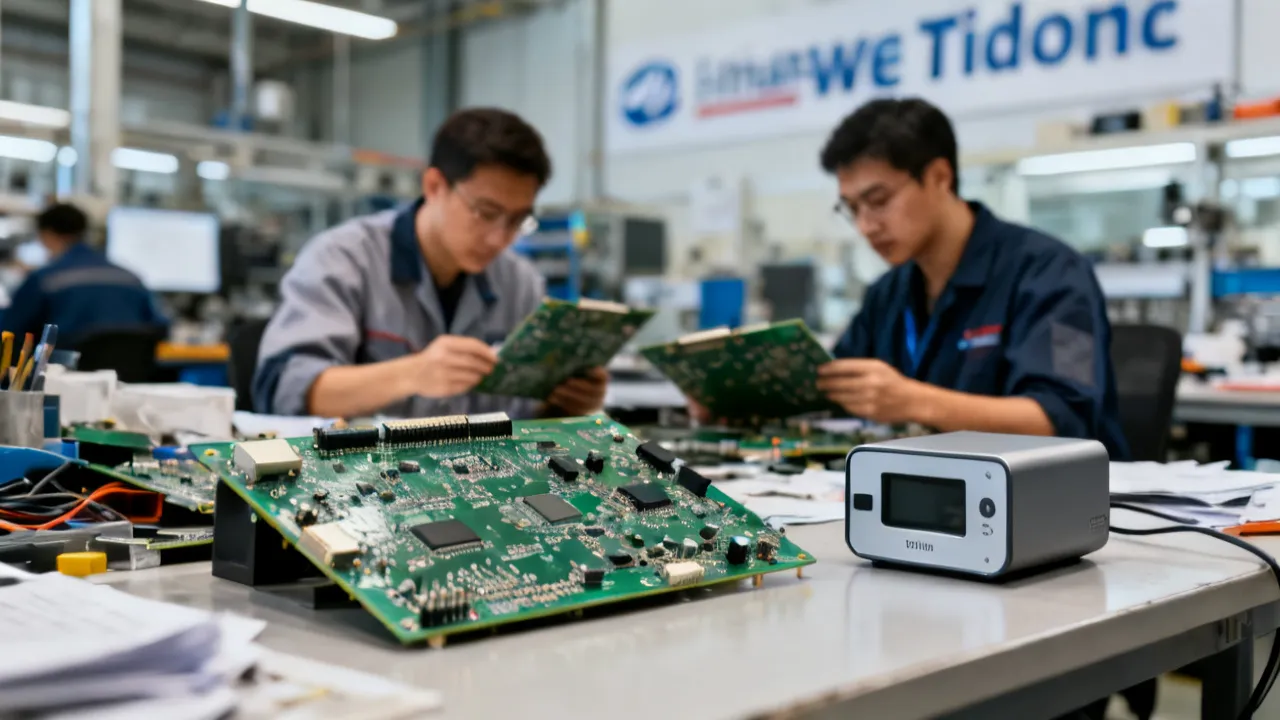


Este guia orienta como interpretar Msn Notícias ao analisar temas ligados a Bolsonaro, com foco em checagem, contexto e linguagem. Em termos objetivos, a expressão aparece frequentemente em buscas por cobertura jornalística e discussões políticas no Brasil. O artigo descreve como avaliar fontes, identificar enquadramentos e manter consistência argumentativa.
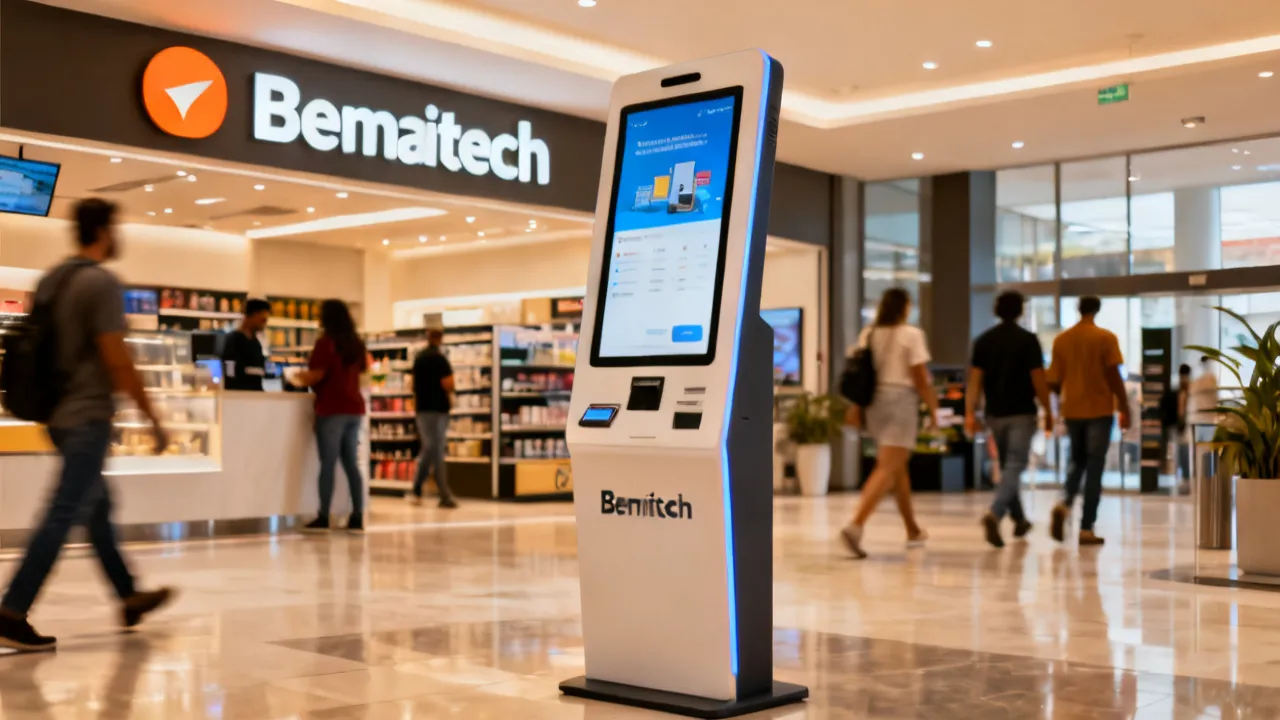
Este guia explica como planejar e selecionar um Totem Bematech para atendimento, sinalização e operação do dia a dia. Contexto técnico: totens interativos reduzem filas e padronizam a experiência do cliente; já a escolha correta depende de requisitos de hardware, software, conectividade, gestão de conteúdo e suporte. A seguir, veja critérios, condições de implantação e perguntas frequentes.
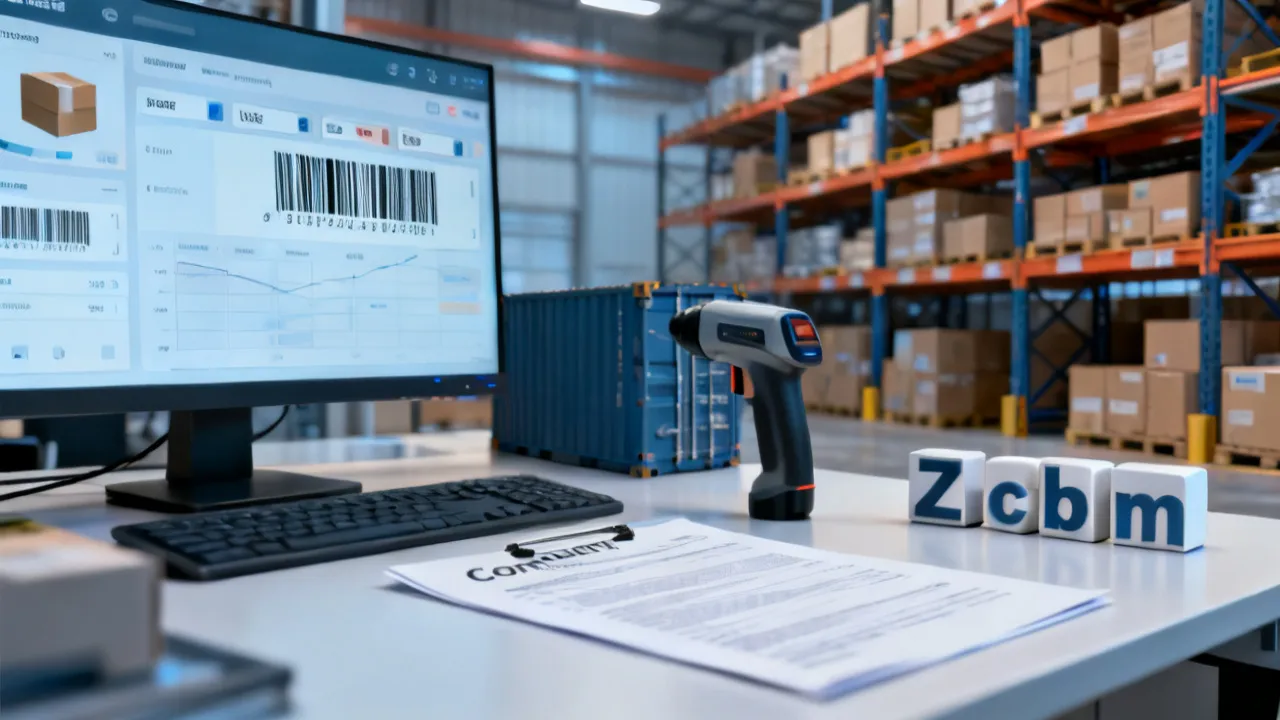
This guide explains how Zcbm functions as a practical quality and traceability signal in supplier workflows. Objectively, Zcbm is treated as a structured identifier used to organize documentation, reconcile batches, and support audits in procurement and logistics. We also discuss how “price” and “supplier details” are typically validated using traceable records and documented requirements.
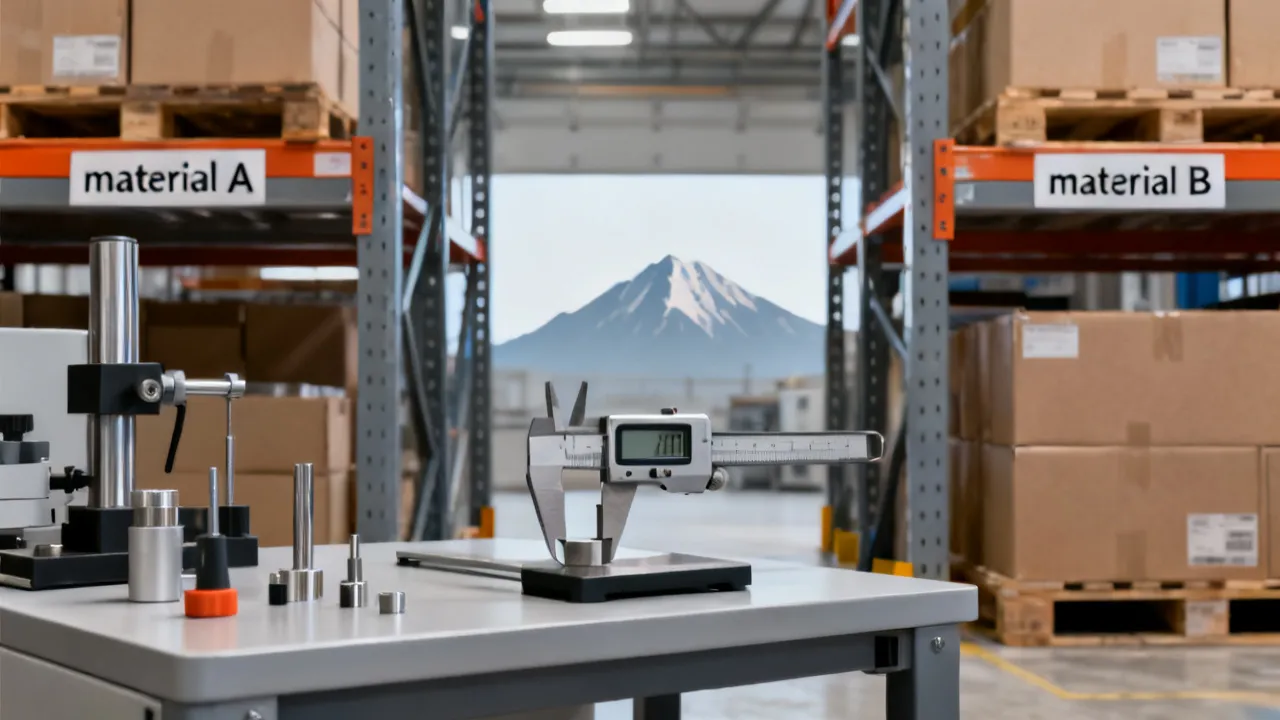
This guide explains how to evaluate 2307m-related products and sourcing decisions with an evidence-based lens, focusing on requirements, quality checks, and supplier transparency. Objectively, it frames what “2307m” commonly signals in measurements or specifications, and how procurement teams assess documentation, testing, and delivery reliability to reduce risk across regions “nearby.”
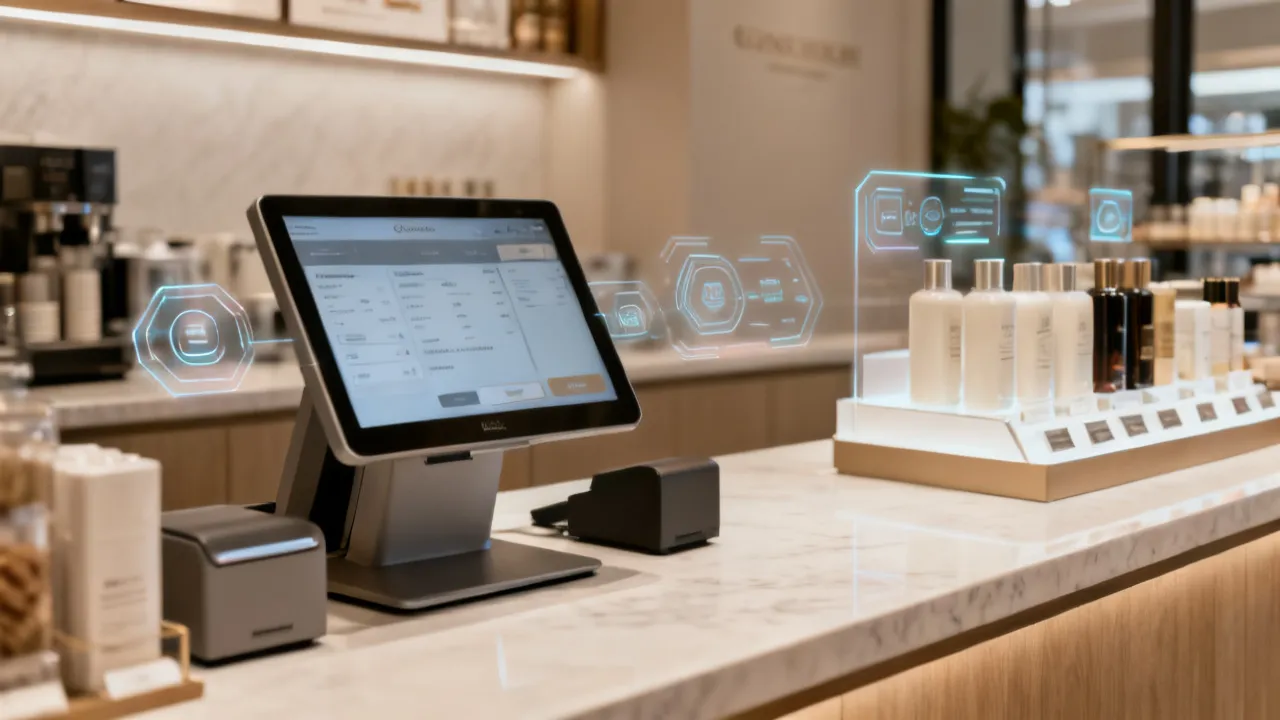
This guide explains how PrismaJOY supports smarter, more reliable purchasing workflows for organizations. It objectively reviews what PrismaJOY represents, why digital product discovery matters, and how teams evaluate offerings through documented sourcing and clear operational requirements, without relying on unverified claims. The focus is on practical decision-making and risk-aware implementation for procurement and customer-facing teams.

This guide explains how “9i” and related terms—especially “ ”—can be evaluated for smart sourcing decisions, with an objective lens on what to verify before choosing a supplier. It outlines background context, selection criteria, and practical workflows so teams can compare options consistently, manage requirements, and reduce procurement risk while maintaining quality standards.