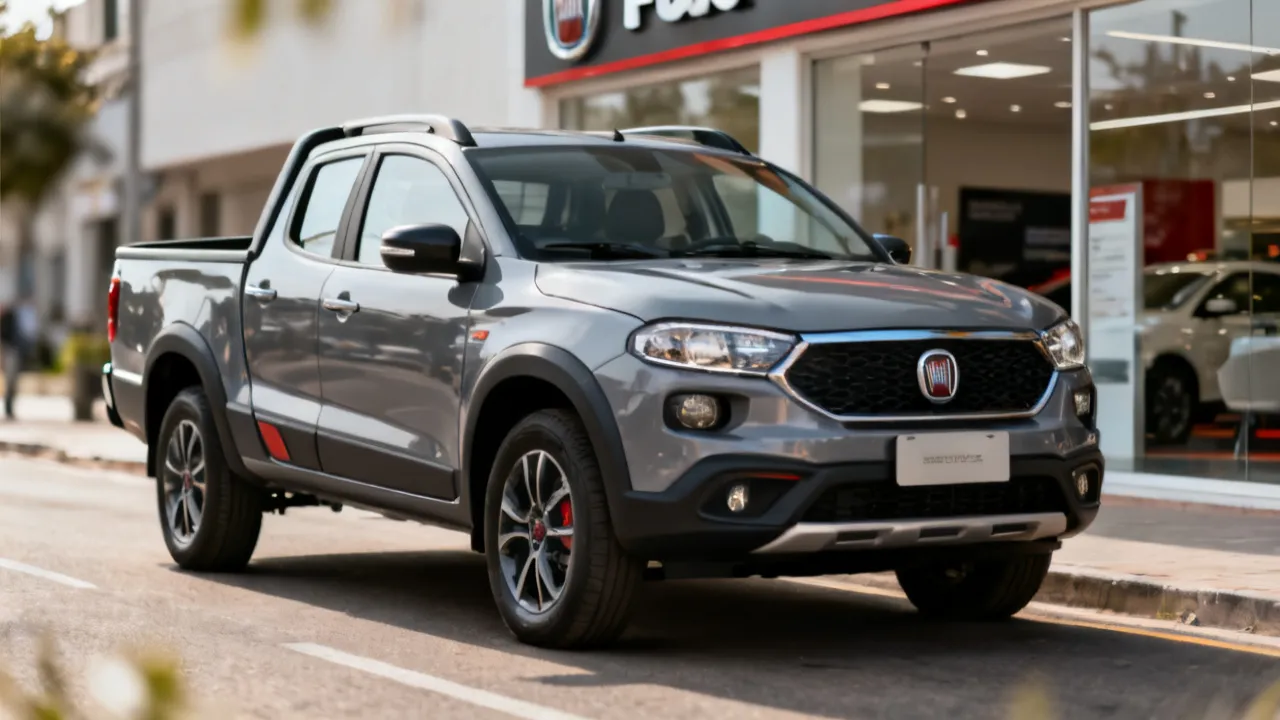
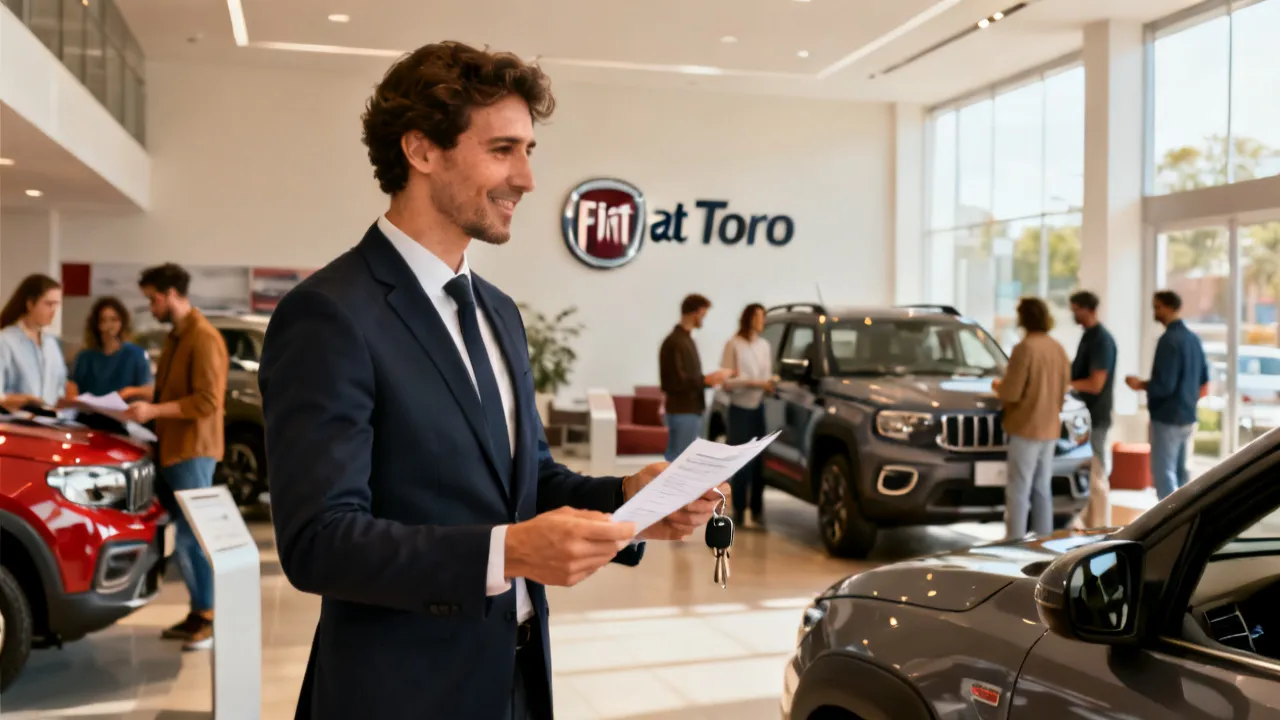
Fiat Toro Buying Guide and Deal Finder
This guide explains how to research, compare, and buy a Fiat Toro efficiently, with a focus on finding car listings that match your budget and needs. Background context clarifies what “Fiat toro” refers to in the used-vehicle market, how inventory varies across platforms, and which diligence steps reduce risk during purchase decisions.
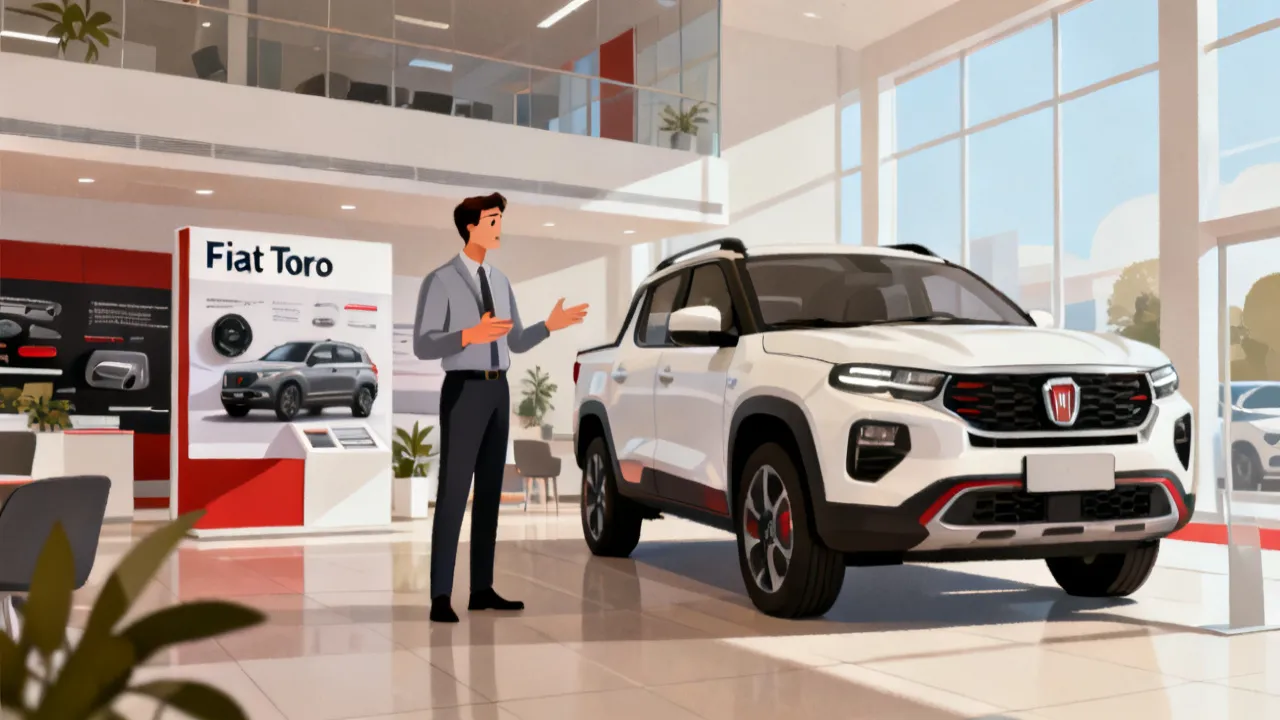
Start Here: How to Find the Right Fiat Toro Listing Nearby
If you’re searching for Fiat toro deals, the fastest path is a disciplined process: define your must-haves, compare listings across major trading sites, verify vehicle history and condition, then negotiate with evidence. Because inventory changes daily, you’ll get better results by using multiple listing sources and tightening your screening criteria early—before you ever schedule a test drive.
What most shoppers underestimate is that “nearby” doesn’t only mean geographic distance. It also means practical distance: how quickly you can inspect the vehicle, how easily you can finance it, and how manageable the ongoing ownership costs will be once the car leaves the seller’s hands. A good listing is more than the lowest price. It’s the best combination of price, documented condition, and realistic future maintenance risk—especially for a pickup-style vehicle like the Fiat Toro.
In the sections below, you’ll find a complete, repeatable workflow you can use for multiple listings—whether you’re browsing on Cars.com, Carmax, Caronsale, Autotrader, or other websites. The goal is not just to find a vehicle that looks good in photos. The goal is to find a Fiat Toro listing that holds up to scrutiny.
What “Fiat toro” Typically Means in Car Searches
In many online searches, Fiat toro is used as shorthand for the Fiat Toro pickup model. When shoppers type “Fiat toro,” they often mean one or more of the following: specific trim levels, certain model years, or vehicles with particular features (towing capability, drivetrain preference, cab size, and infotainment). Importantly, sellers and platforms may categorize listings differently, so your search strategy should remain flexible—yet your verification should remain strict.
There’s also a common problem with search terms: listings are sometimes mislabeled or inconsistently spelled. Some dealers spell it “Toro,” others include the model year directly in the title, and private sellers may omit important details like trim or drivetrain. A robust search plan therefore includes alternative spellings, minor keyword variations, and filters you can adjust as you learn what’s being offered in your local market.
To avoid losing time, treat “Fiat toro” as a starting keyword, then use the listing text to confirm the actual vehicle facts. Compare the VIN (if displayed), model year, engine details, drivetrain, and features. If those details do not appear or cannot be verified, consider that an early warning sign.
Why Comparing Multiple Car-Trading Platforms Matters
Used and “on sale” inventory is not universal. One site may emphasize dealership stock, another may aggregate private sales, and a third may focus on trade-in programs. From an industry perspective, the advantage of comparing multiple sources is simple: you reduce the odds of anchoring your decision on a single market snapshot.
When you rely on one website only, you create a “single-point-of-truth” risk. If that site is missing a seller in your area, showing stale inventory, or presenting an outlier price, your entire comparison process gets skewed. A multi-platform approach gives you a wider baseline and helps you interpret whether a specific Fiat Toro listing is truly competitive or simply unusually cheap or unusually expensive.
To keep this article practical, below is a concise reference of official car trading websites where you can locate Fiat Toro listings and other vehicles currently offered for sale. Use these as starting points for your shortlist and then proceed with the diligence steps in the next sections.
| Platform | What to Use It For |
|---|---|
| Cars.com | Broad listing coverage and search filters to narrow make/model, location, and pricing ranges. |
| Carmax | Dealership-style inventory that often supports streamlined purchase flows and standardized inspection processes. |
| Carsonsale | Market listings and shopping-style pages that can help you compare availability across sellers. |
| Autotrader | Extensive vehicle listings and dealer or private-seller inventory, typically with multiple comparison options. |
source: www.cars.com
www.carmax.com/cars
www.caronsale.com/en
www.autotrader.com
(source of information for listing platforms)
Industry-Expert Checklist: How to Find a Cheap Car or Fiat Toro On Sale
When buyers say they want a “cheap” vehicle, what they usually mean is a combination of price value, reliability potential, and manageable total ownership cost. A professional approach separates those goals rather than chasing a low sticker price that hides risk.
It’s common to see listings described with marketing language like “on sale,” “just reduced,” “great value,” or “won’t last.” These phrases may be true, but they are not proof. A deal is only a deal if it withstands verification: vehicle history, inspection findings, and how the car actually drives.
To find a cheap Fiat Toro safely, you should treat every listing as a hypothesis. Your job is to test the hypothesis quickly and cheaply. Online research tells you what to inspect. Documentation tells you what to confirm. The test drive tells you what you cannot see online.
Before you even contact a seller, prepare a checklist of what you will require. That way, you don’t waste time on listings that cannot meet your minimum requirements (for example, unclear accident history, missing maintenance records, or refusal to provide photos and VIN details).
Step-by-Step Process (Practical and Repeatable)
-
Set a realistic budget ceiling and a stretch threshold.
Decide the maximum purchase price you can comfortably pay and a slightly higher upper bound only if the vehicle clearly earns it (service records, lower mileage relative to peers, fewer warning signs in inspection).
Most people set their budget based only on purchase price. For pickups, you should also estimate likely near-term costs: tires, brakes, suspension components, fluid services, and potential fixes related to towing or load. If you can anticipate these costs, you can decide whether a “cheap” listing is truly cheap after you factor in the first year of ownership.
A helpful tactic is to set a “total first-year cost” mindset. Instead of asking “How much is the car?” ask “How much will it cost me to get it into stable, reliable ownership?” Then compare the options fairly.
-
Choose your Fiat Toro priorities first.
For example: drivetrain preference, bed/cab needs, towing usage, road conditions nearby, and comfort features. This prevents you from being distracted by superficial listing differences.
Because you’re shopping near a specific location, your priorities may change based on local conditions. If your area has steep grades, you may prioritize transmission smoothness and cooling system condition. If roads are rough, you may prioritize suspension wear and alignment quality. If you anticipate towing, you may prioritize tow package completeness, cooling performance, and brake readiness.
Also decide what you can compromise on. A buyer who has a strict must-have list often finds the right truck faster, because they stop evaluating irrelevant features (like minor cosmetic options) and focus on the elements that affect function and reliability.
-
Use site filters to narrow “on sale” listings.
Many platforms allow sorting by price, mileage, location, and sometimes “new price” or dealer incentives. Treat these as leads, not proof of value.
When filtering, avoid becoming overly reliant on a single filter. Example: a low-mileage listing is not automatically a bargain if it lacks maintenance documentation or shows signs of deferred repairs. Use filters to build a short list, then use verification to confirm the short list.
If the platform provides a “price drop” indicator, compare it with your own market comps. If the price dropped but the condition details remain suspicious, you may have found a vehicle that needs repairs rather than a true deal.
-
Compare like with like.
When two Fiat Toro listings are close in price, ensure you compare similar trim, year band, mileage band, and condition signals. A $500–$1,500 difference might be justified by service history or damage reports—or it might not be.
For pickup models, also compare how they were used. Some vehicles are lightly driven but may have sat unused for long periods. Others may be consistently maintained but driven hard for short trips. Both patterns can lead to different wear profiles. If a listing has fewer service records but claims it was “used for commuting only,” that narrative should be supported by evidence.
When you compare, build a simple side-by-side table. Include year, mileage, drivetrain, reported condition, accident disclosure status, tire/brake notes from photos, and the completeness of the documentation provided. Your brain will thank you later.
-
Request or verify vehicle history and inspection documentation.
Ask for service invoices, accident disclosures, and evidence of repairs. If the listing is vague, that vagueness is a data point.
If a seller refuses to provide basic information (or provides generic answers), that refusal is a major signal. Professional sellers can usually explain what they know and provide documentation when asked. Refusal is not always proof of wrongdoing, but it does increase your risk tolerance requirement.
Ask targeted questions instead of general ones. For example: “Has the vehicle had any major repairs related to the drivetrain?” “Were brakes replaced? If yes, when and with what parts brand?” “Are there any current warnings or check-engine lights?” “Has it had any fluid leaks?” These questions encourage specificity and reduce the seller’s ability to hide behind vague statements.
-
Perform a structured test drive.
Drive at low speed and highway speed, test braking smoothness, check steering response, listen for drivetrain vibration, and evaluate shifting behavior if applicable. Bring a checklist, not just a gut feeling.
A structured test drive is particularly important for pickups because vibration and suspension wear can show up differently under load. If possible, test drive on roads that mimic your daily conditions. Even a short segment of rough pavement can reveal problems that a perfectly smooth road hides.
Bring a flashlight. Look for steering wheel centering, abnormal noises over bumps, and the smell of burning rubber or overheated components. If you notice anything that the seller did not disclose, treat it as a negotiation lever or walk-away trigger depending on severity.
-
Get a pre-purchase inspection (PPI) when the stakes are meaningful.
For a pickup like the Fiat Toro, underbody condition, suspension wear, and any signs of fluid leaks matter. A PPI is often cheaper than discovering issues after purchase.
If a seller is confident, they should be comfortable with a PPI at least for your top candidate listing. Many buyers treat PPI as optional, but for a pickup you rely on for work or hauling, it’s often one of the best investments you can make during shopping.
To get the most value out of the PPI, provide the mechanic with your priorities. Tell them what you plan to use the truck for (commuting, towing, off-road, or mixed use). A mechanic who understands your use case may inspect more relevant components and focus attention on the right wear areas.
-
Negotiate using specific evidence, not emotion.
If the listing claims certain condition details, confirm them in-person or in documentation. If it doesn’t, anchor your offer to verifiable needs (tires, brakes, suspension, overdue maintenance).
Negotiation should not be a debate about whether the truck “feels” great. It should be based on measurable factors: the condition of tires and brake pads, any discrepancy between odometer and service records, and any issues found in the PPI or during your test drive.
If you discover problems after a purchase, your leverage is gone. That’s why the negotiation must start only after you have enough evidence to justify a lower price or request repairs.
Conditions and Requirements: What You Should Verify Before You Pay
Below is a comparison-style summary of diligence conditions that help reduce the chance of unpleasant surprises. These are practical requirements you can apply whether you find a Fiat Toro listing on Cars.com, Carmax, Caronsale, or Autotrader—or through any other channel.
Think of these requirements as “gates.” You don’t pass the next gate until the previous one is clear. This approach prevents you from investing too much time and emotion into a vehicle that isn’t a safe buy.
| Verification Area | Why It Matters for a Fiat Toro Purchase |
|---|---|
| Vehicle history / disclosures | Accident and repair information can explain damage patterns and future reliability risk. |
| Maintenance records | Regular servicing correlates with fewer good issues and clearer ownership accountability. |
| Physical inspection results | Wear items (brakes, tires, suspension components) strongly influence true cost to own. |
| Title and eligibility checks | Administrative issues can delay registration or affect financing—always verify early. |
| Pricing rationale | “On sale” tags can indicate discounts, but you still need price alignment vs. condition and market comps. |
How to Verify Each Area More Thoroughly (Beyond the Checklist)
The table above names the areas. The real value comes from how you verify each one. Here are deeper approaches you can use while shopping.
Vehicle history / disclosures
Start with the basics: accident reports, total-loss records, open recalls (if accessible), and any branded title outcomes. But don’t stop there. Ask whether the disclosed repairs were cosmetic only or involved structural or drivetrain components. If the seller’s explanation doesn’t match the scope of the repair, you should be cautious.
For a pickup-style vehicle, also consider the possibility of damage from towing, load shifting, or frequent heavy use. Those issues may not always show as dramatic accidents but can influence wear patterns in suspension, tires, and underbody components.
Maintenance records
Look for continuity. A vehicle with scattered maintenance invoices is still better than one with none, but consistency is what you’re truly searching for. “Oil changed regularly” is not enough. You want evidence that the car’s wear items and service intervals were respected.
Specifically for a Fiat Toro, review whether key items were serviced on schedule: transmission service intervals (when applicable), brake fluid maintenance (if documented), coolant system service, differential/transfer case fluids (when applicable), and major wear items such as belts, spark plugs (if relevant), and filters. A lack of documentation in these areas often explains expensive surprises later.
Physical inspection results
Online photos can help, but they can also mislead. The goal is to use photos as a clue system. If you see mismatched tires, uneven tire wear patterns, or a suspicious undercarriage photo angle, those clues should trigger targeted in-person checks and ideally a PPI.
When you inspect the exterior, pay attention to panel gaps, fresh paint inconsistencies, and underbody debris distribution. When you inspect the interior, check for wear patterns that may suggest the mileage claim is exaggerated. Worn pedals, steering wheel shine in the wrong areas, and unusually faded seat controls can all be signals to investigate deeper.
Title and eligibility checks
Title issues can create delays and complicate financing. Even if the seller says everything is clean, verify through documentation and proper channels. Ask whether there are liens and what the payoff process looks like. If you plan to finance, confirm that the vehicle is eligible and that the paperwork aligns with your lender’s requirements.
If you are buying from a private seller, confirm your responsibilities for registration and title transfer in your state or region. If something is unclear, clarify before committing to a deposit.
Pricing rationale
“On sale” does not automatically mean “good deal.” It can mean the vehicle was discounted because it has been sitting too long, because the seller wants to move it quickly, or because market pricing has shifted. Your job is to interpret why the price is lower and whether those reasons relate to risk.
A strong listing has a believable pricing rationale supported by evidence: for example, slightly higher mileage but excellent service records; or a price adjustment due to minor cosmetic imperfections that are disclosed clearly. A weak listing has “cheap” pricing with minimal documentation and inconsistent condition claims.
How “On Sale” Pricing Typically Works (So You Can Interpret It Properly)
In very online marketplaces, a vehicle might be marked as “on sale” for several reasons: dealer discounting, a price reduction after time on the lot, incentive programs, or reclassification after re-inspection. The key professional insight is that these labels describe a promotion mechanism, not automatically the vehicle’s mechanical quality.
Therefore, your valuation should be grounded in verifiable attributes: mileage, condition, service history, and inspection findings. A “deal” that lacks proof is merely a claim.
To interpret “on sale” pricing properly, do the following:
- Check how long the vehicle has been listed. A sudden discount after a long time may imply unresolved issues.
- Look for price history where available. Some platforms show prior prices. Rapid multiple reductions can be a sign, but context matters.
- Compare the listing against peers. A true deal is usually a good value relative to other similar vehicles—not just low on one website.
- Verify the “why.” Ask the seller what prompted the discount. You’re looking for credible, specific reasons—not vague marketing talk.
Where to Look Specifically for Fiat Toro Listings
To locate a Fiat toro near you, use a repeatable search pattern:
- Start wide, then narrow. Begin with a wider radius and trim filters; then tighten your radius once you see realistic options.
- Sort by price and compare. Don’t only open the lowest-price listing. Open several and identify what differs—because “cheap” often has a reason.
- Track new listings. Many buyers miss time-sensitive inventory. Create a shortlist and check updates rather than waiting for the “perfect” ad to appear.
- Use consistent naming. Some platforms list variations in how they spell or format “Toro” and trim names. Use alternative spellings and trim filters if available.
To make this process even more efficient, you can also use saved searches and alerts. When your region has limited inventory, new listings can be the best opportunities—and the best deals often go to the buyer who responds quickly with a prepared checklist.
If you find a listing that looks promising, confirm the basics immediately: exact mileage, drivetrain, title status, and whether the seller will allow a PPI. If those items pass your initial gate, then move to scheduling and deeper verification.
Deal Evaluation: A Professional Framework for “Value”
Here’s how an industry-minded evaluator would approach your decision. Imagine you are scoring each candidate listing across multiple dimensions, not just price:
-
Condition confidence.
Does the seller provide clear documentation? Are discrepancies visible in photos? Does the car’s story remain consistent across messages?
Condition confidence also includes transparency. If the seller answers questions promptly and offers to share maintenance records, the vehicle is more likely to be “as described.” If answers are evasive, you may be dealing with concealed issues.
-
Cost-to-repair probability.
Are wear items within normal ranges? Are there signs of deferred maintenance? For a pickup use case, look carefully at suspension components and underbody condition.
Cost-to-repair probability is a risk assessment. Even if repairs are not urgent today, you might be buying a timeline of upcoming maintenance. Tires approaching end-of-life, worn suspension components, or outdated fluid maintenance can rapidly add up.
-
Operational suitability.
Will the Fiat Toro serve your real driving pattern (commute, longer trips, occasional towing, or mixed terrain)? A “cheap” vehicle that doesn’t fit your use can cost more over time through downtime or mismatch.
For example, if you frequently tow, you may want a well-documented cooling system history and correct towing hardware. If you frequently drive on rough roads, you may prioritize suspension condition and alignment, not just drivetrain smoothness.
-
Total cost expectations.
Consider insurance, fuel, tire life, maintenance intervals, and any likely upcoming service needs based on current mileage and record quality.
Total cost also includes your time costs: how frequently you might need to visit a shop, how likely you are to need repairs soon, and how inconvenient downtime would be for you.
Common Fiat Toro Deal Red Flags (And How to React)
Even if you follow the checklist, certain warning signs repeatedly show up in problematic purchases. The key is knowing how to react to them.
- The seller won’t provide photos of key areas. Reaction: request underbody, tire tread, brake components, VIN sticker details, and close-ups of the interior wear points. If refusal continues, walk away or require a PPI before committing.
- Inconsistent story between listing description and seller responses. Reaction: ask direct clarifying questions and compare them against any documents provided. Inconsistency often signals undisclosed repairs.
- Vague accident language (“minor accident,” “cosmetic only”) without details. Reaction: ask what was damaged, whether airbags deployed, whether the frame was inspected or repaired, and what repairs were performed. Lack of detail is a risk multiplier.
- Low price that doesn’t match wear items visible in photos. Reaction: verify tire condition, brake wear, and the presence of any warning lights. If photos show “decent” wear while price suggests “needing everything,” investigate deeper.
- Refusal to allow pre-purchase inspection. Reaction: treat refusal as a serious concern. You can’t verify hidden issues without a professional look.
Common Buyer Mistakes When Shopping for Fiat Toro Deals
- Chasing the lowest price without verifying condition. This is the fastest route to unexpected repair costs.
- Assuming all listings use the same standards. Dealerships and private sellers differ in inspection depth and documentation completeness.
- Skipping a structured test drive. Problems often show up under load, braking, or during specific speeds.
- Negotiating without evidence. Professional negotiation is about facts: maintenance records, inspection results, and confirmed wear.
How to Contact Sellers: Questions That Actually Help
When you message or call a seller, the most effective questions are the ones that produce verifiable answers. Instead of asking broad questions like “Is it good?” ask specifics that relate to risk and cost.
Here is a practical message you can adapt:
- “Can you confirm the exact mileage and whether the vehicle has any active warning lights?”
- “Do you have maintenance records, including oil changes and any major repairs?”
- “Has the vehicle had any accidents? If yes, what parts were repaired and do you have documentation?”
- “Are tires and brakes recent? If so, when were they replaced and with what brand or type?”
- “Would you allow a pre-purchase inspection at a local shop before purchase?”
- “Can you provide the VIN so I can run a vehicle history report and check for open recalls?”
The more specific your questions, the less room there is for fluff. If the seller can answer clearly, you’ll know quickly. If they cannot, you’ll save time by moving on.
Test Drive Guide for a Pickup-Style Fiat Toro
A test drive should not be random. You want to test the components that most often correlate with expensive repair risks: steering, suspension, brakes, drivetrain, and cooling. Here’s a structured approach you can follow.
Before you drive
- Check tire tread and condition. Uneven tread can indicate alignment or suspension issues.
- Check brake pedal feel (if possible). It should not feel soft, spongy, or violently grabby.
- Look for visible leaks around the engine area and underbody if the seller allows access.
During the drive
- Low-speed maneuver: Turn left and right slowly to listen for clunks or steering binding.
- Braking test: Brake smoothly from moderate speed. Then repeat with slightly more firm braking. You want to feel for pulsation, pull, or squeal.
- Road imperfections: Drive over mild bumps. Listen for suspension knocking, rattles, or creaks.
- Highway speed stability: Hold a steady speed. Feel whether steering wanders or whether vibrations increase.
- Drivetrain behavior: If the Fiat Toro has a transmission that can be tested in multiple gears, evaluate whether shifting is smooth. If it’s automatic, check for hesitation or harsh engagement.
After the drive
- Recheck warning lights on the dashboard.
- Ask the seller if any symptoms changed during your test drive. If something seems off, treat it as a data point and request a repair explanation or inspection.
Pre-Purchase Inspection (PPI): What to Ask the Mechanic to Focus On
A PPI is only as good as the questions you provide. If you tell the mechanic only “check everything,” you may get a broad report that doesn’t match your priorities. Instead, provide context about how you intend to use the Fiat Toro.
Here are targeted areas to request during a PPI for a pickup:
- Underbody and frame condition: Look for corrosion, structural damage, or evidence of repairs.
- Suspension inspection: Check control arms, bushings, shocks/struts, ball joints, and alignment-related components.
- Brake system condition: Measure rotor thickness, check pad wear, inspect for uneven wear patterns.
- Tire wear analysis: Uneven wear can indicate alignment or suspension problems.
- Fluid inspection: Look for leaks and assess fluid condition (engine oil, transmission fluid, coolant, differential fluids where applicable).
- Drivetrain diagnostics: Identify any fault codes and confirm transmission behavior.
- Cooling system check: Especially important if the vehicle has towing history or warm climate driving.
If you share your intended usage—commuting, towing, rough roads—your mechanic may prioritize checks that match the risk profile of your lifestyle.
Negotiation Tactics That Work for “On Sale” Fiat Toro Listings
Negotiating a car purchase is easiest when you negotiate based on numbers and verified needs. “On sale” pricing can be a starting point, but it should not be your ceiling.
Here are practical negotiation tactics:
- Use itemized evidence. If your inspection shows tires need replacement soon, request a price adjustment or require replacement before delivery.
- Convert findings into cost impacts. Brakes, suspension, or alignment issues each have a typical replacement or repair cost range. Even a rough estimate strengthens your offer.
- Ask for repair or documentation. Some sellers prefer to fix issues rather than adjust price. Either can be acceptable—just ensure the fix is documented.
- Negotiate after you confirm key facts. Don’t negotiate while still missing history details or before the PPI. Negotiating early increases your risk.
- Keep the conversation calm and factual. Professional negotiation is about aligning expectations, not winning an argument.
One subtle but important tactic: when you present your offer, mention your basis clearly. For example, “Based on tire wear and the inspection recommendations, I’m offering $X.” This keeps the negotiation tied to verifiable needs.
How to Build a Shortlist (Without Getting Overwhelmed)
Many shoppers fail because they keep too many listings open. Then they lose track of which ones were verified, which ones had missing records, and which ones required additional inspection. To avoid that, build a shortlist with clear categories.
Use three categories:
- Category A (Passes Minimum Gate): Clear listing info, documentation available, and seller responds well to questions.
- Category B (Needs Follow-Up): Promising price or mileage but missing key details like service records or clear accident disclosure.
- Category C (Risky or Unverifiable): No documentation, refusal of PPI, inconsistent stories, or major warning signs.
Only Category A vehicles should receive your time for scheduling and deeper evaluation. Category B may receive follow-up. Category C should be removed quickly unless the seller changes course.
Budgeting Beyond the Sticker Price: Ownership Costs to Consider
Even if you find a truly inexpensive Fiat Toro listing, ownership costs can make or break the deal. “Cheap now” can become “expensive later” if you ignore near-term maintenance needs.
Consider these cost categories:
- Insurance: Pickup insurance can differ by trim, drivetrain, and risk profile. Confirm a rough insurance quote before purchase if possible.
- Fuel economy: Driving habits and tire condition affect fuel costs. Estimate your monthly spend based on your local driving conditions.
- Tires: Trucks typically use tires that can be expensive. If tires are near end-of-life, that cost is due soon.
- Brake wear: Pickup braking can be influenced by load and driving conditions. Worn brakes can be a major immediate cost.
- Maintenance intervals: If records show missed service intervals, you may need catch-up maintenance right away.
- Potential repairs: A PPI reduces uncertainty, but it can’t predict everything. Still, it identifies likely repairs and helps you budget.
When you incorporate these factors, you’ll be able to decide whether a listing truly represents a “cheap” deal or just a low purchase price with hidden risk.
Understanding Market Reality: Why Some Fiat Toro Listings Are Priced Low
Low price can be legitimate. Sometimes a seller wants to move quickly, needs to liquidate a trade-in, or has schedule constraints. But low price can also signal issues: deferred maintenance, undisclosed accidents, or administrative problems with title and paperwork.
To determine which case you’re dealing with, evaluate these signals:
- Is the seller transparent about history and condition?
- Does the listing include clear photos and detailed descriptions?
- Does the price align with what you would expect based on comparable listings?
- Do service records exist and appear consistent with the mileage?
- Is the vehicle easy to inspect and available for a PPI?
If most of these signals are positive, the low price might indeed be a real deal. If they’re mostly negative, the price likely reflects risk.
Local Strategy: Make “Nearby” Work for You
When you search nearby, you should take advantage of it. Nearby inventory means you can reduce transaction friction and inspection cost. Use that to your advantage:
- Schedule inspections quickly. Deals move fast. If you’re prepared, you can secure the right vehicle before someone else acts.
- Bring someone knowledgeable if possible. Even a friend with mechanical familiarity helps you notice red flags during viewing.
- Use local mechanics for PPIs. Mechanics you trust can identify patterns quickly and can often test more thoroughly.
- Confirm transport and logistics. If you buy from far away, consider transport cost. For nearby listings, that risk is reduced.
Your advantage is that you can physically verify the vehicle. Use that advantage instead of relying solely on online descriptions.
Practical Next Actions: Turning Research Into a Purchase Plan
If you want momentum, do this in order:
- Pick your Fiat Toro priorities (drivetrain, trim features, cab/bed needs).
- Create a shortlist of 5–8 listings from major platforms.
- Eliminate any listing that won’t provide clear history or allows no reasonable inspection path.
- Verify key details in writing before scheduling a test drive.
- Negotiate after your inspection review—using documented findings.
That sequence keeps you efficient and reduces the chance of paying for problems you could have identified beforehand.
Frequently Asked Questions (FAQs)
1) What does “Fiat toro” mean when I search online?
Very commonly, “Fiat toro” refers to the Fiat Toro pickup model. Search results may vary in how trim names and specifications are displayed, so broaden your filters and confirm details directly in each listing.
2) How can I tell whether a Fiat Toro listing is truly “on sale” or just discounted?
Look for a documented price history where available, review any stated dealer incentive or recent price reductions, and verify whether the listing still reflects consistent condition claims. “On sale” is a marketing label; value depends on proof and vehicle condition.
3) Is it better to buy from a dealership or a private seller for a Fiat Toro?
Both can be workable. Dealership channels often provide more structured processes and clearer paperwork, while private sales may offer flexibility. In either case, prioritize history verification and a pre-purchase inspection when needed.
4) What should I check during a test drive for a pickup like the Fiat Toro?
Focus on steering alignment feel, brake smoothness, suspension noise, drivetrain vibration, and shift behavior (if applicable). Also check visibility, seat comfort, and how the vehicle handles the kind of roads you drive nearby.
5) How do I find a cheap Fiat Toro without increasing risk?
Use “cheap” as a starting filter, not the final decision rule. Tighten your shortlist using service records, inspection results, and maintenance proof, then negotiate based on verified needs rather than assumptions.
6) Which platforms should I check for Fiat Toro listings?
Start with reputable trading sites that aggregate current inventory, such as Cars.com, Carmax, Carsonsale, and Autotrader. Then compare several options rather than fixating on one listing.
7) What documents should I request before paying a deposit?
Ask for maintenance records, any accident or repair disclosures, vehicle history report (or the VIN so you can run one), and proof of title status. If a seller provides limited documentation, request a pre-purchase inspection and use its results as a basis for next steps.
8) Should I always get a PPI for a Fiat Toro?
It’s strongly recommended for most “high-stakes” purchases—especially if the listing is older, has higher mileage, or has any accident history. A PPI is particularly valuable for pickups because underbody and suspension condition strongly influence near-term ownership costs.
Disclaimer
1) The above information comes from online resources, and the data is as of October 2023.
2) For more information, please refer to the official website.
Reference Links
https://www.cars.com/
https://www.carmax.com/cars
https://www.caronsale.com/en
https://www.autotrader.com/
-
1

A Guide to Cost-Efficient Small Electric Cars for Seniors
-
2
Mastering Debt Consolidation: Boost Your Credit Score and Manage Interest Rates
-
3
Your Guide to Loans, Credit Checks, and Interest Rates
-
4
Affordable Independent Living: Finding the Right Senior Housing
-
5
Guide to Senior Living Apartments: Affordable and Comfortable Environments