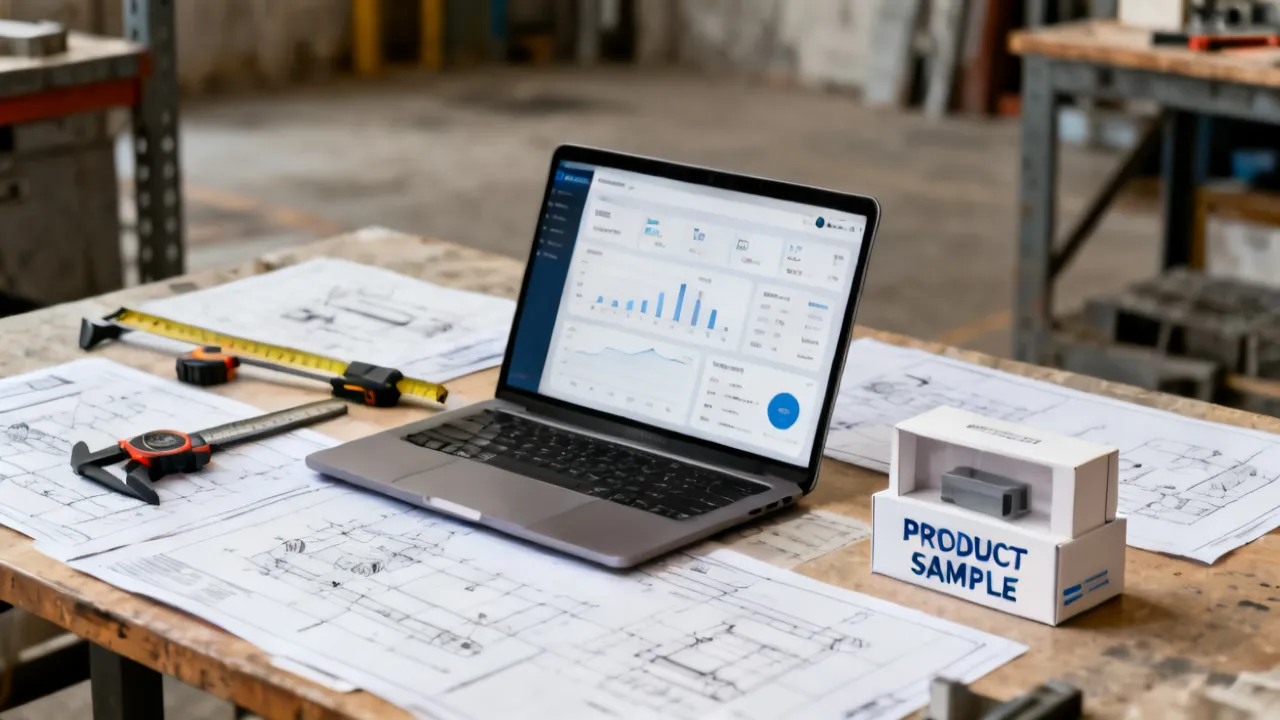
Vera: A Practical Guide for Informed Sourcing Decisions
This guide explains how to evaluate Vera products with a focus on sourcing clarity, quality checks, and documentation. Background context is provided on what “Vera” commonly represents in commerce, how suppliers typically structure product information, and why buyers benefit from consistent verification practices across batches and regions.
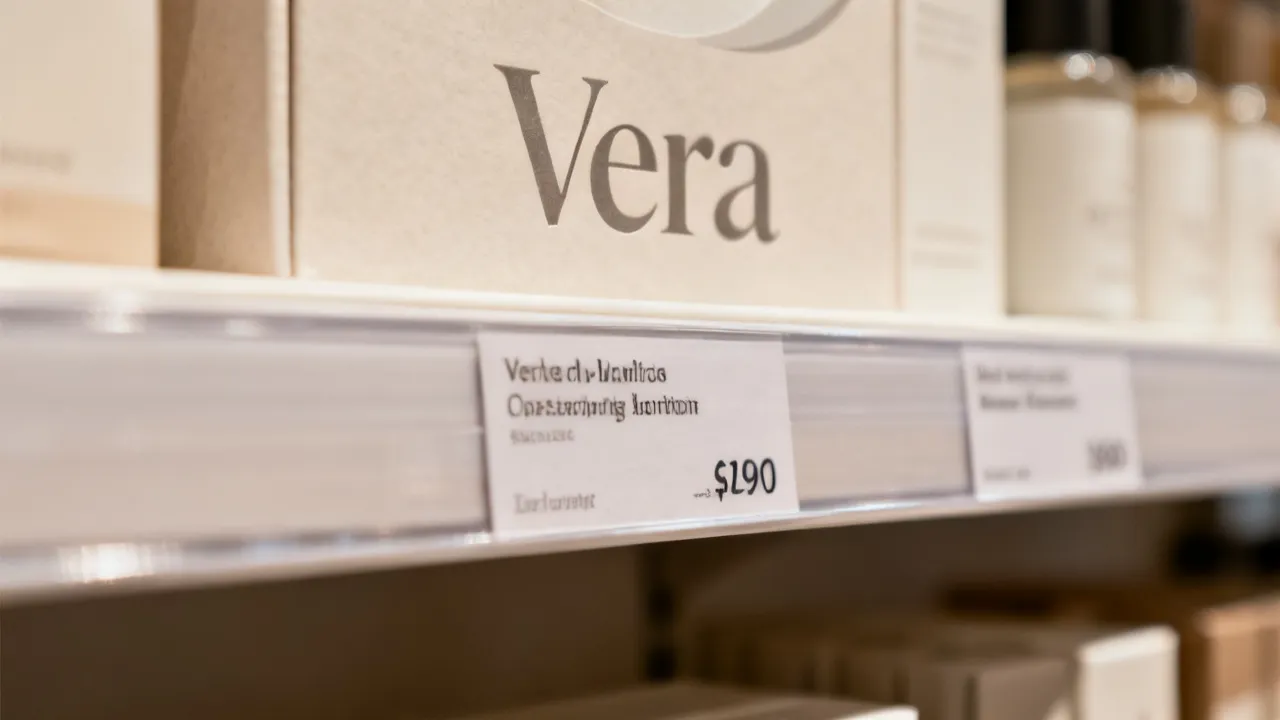
Executive Takeaway: What “Vera” Buyers Should Verify First
When considering Vera as a product name in the marketplace, the very important step is not the label itself—it’s verifiable sourcing. Start by confirming who manufactures the item, which supplier is accountable for the batch, and what documentation accompanies the product. From an industry perspective, buyers who review origin details, handling requirements, and quality controls make fewer errors—especially when they compare offerings that may look similar at first glance.
In practical terms, evaluate Vera using three pillars: traceability (where it comes from and how it’s identified), consistency (whether specifications remain stable across shipments), and compliance (whether paperwork, labeling, and stated requirements align with the product type). Even if two listings appear to describe “the same” Vera item, the supplier’s ability to provide batch-specific information usually determines real-world quality outcomes.
Think of the buying process like assembling an evidence file. The name “Vera” may be the headline, but procurement-grade purchasing depends on supporting proof: batch IDs that match the packing slip, specifications that match the declared variant, inspection reports tied to the right production run, and commercial terms that define what happens if anything diverges. Buyers who treat these as non-negotiables tend to avoid costly rework, returns, and compliance headaches.
Why “Vera” Matters in Sourcing (Objective Background)
Vera is commonly used as a brand name or product designation in retail and business-to-business purchasing. In many markets, the same word can appear across different categories—so an informed buyer treats it as a starting identifier, not a complete description. The objective question is: which exact Vera product variant are you evaluating, and under what production and supply conditions?
From an industry governance standpoint, marketplaces often contain overlapping naming conventions. That’s why professional procurement teams typically ask for item codes, batch IDs, and specification sheets rather than relying only on marketing text. For a buyer, the goal is straightforward: reduce ambiguity so that the product you receive matches the product you intended to buy.
Ambiguity becomes especially expensive in environments where the product’s performance, safety, or regulatory classification matters—such as manufacturing inputs, healthcare-adjacent supplies, chemical-related workflows, food-contact scenarios, construction or industrial applications, or any context where a slight change in grade, formulation, or handling affects outcomes.
Even outside regulated settings, “Vera” may still hide variation. Vendors can reuse product names across different packaging sizes, product grades, or versions. In e-commerce, two “Vera” listings can look identical because the product title is consistent, but the underlying SKU differs. Procurement teams therefore interpret “Vera” as a keyword that must be cross-verified against a structured product identity system.
Market Reality: How Suppliers Commonly Present “Vera” Products
Suppliers usually provide information in layers. At the top level, you’ll see a product name (e.g., Vera), category, and a general description. Beneath that, reputable suppliers can share more precise details such as:
- Item or SKU identifiers for the specific variant
- Batch and lot information for traceability
- Material or formulation specifications (when applicable)
- Storage and handling requirements
- Quality controls used to maintain consistency
- Documentation such as certificates, inspection reports, or compliance statements
Not every supplier provides the same level of detail. Some rely on broad product pages, while others include downloadable documentation or provide a documentation packet in advance. Professionals therefore treat documentation as a quality signal. In procurement reviews, missing batch documentation is often flagged as a risk factor because it limits how you can resolve disputes or performance issues after delivery.
It’s also common for suppliers to communicate “quality” through indirect cues: polished photos, confident descriptions, warranty claims, or claims of “premium grade.” However, those cues are still less reliable than batch-specific verification. When documentation exists, a buyer can validate whether the quality claims are measurable and repeatable.
Another reality: supply chains sometimes include relabeling or distribution steps. For example, a manufacturer may produce multiple grades, and a distributor may repackage under the same brand name. In these cases, the buyer must understand where the batch responsibility sits. Is it the manufacturer’s batch record, the distributor’s repackaging batch, or both? Buyers who ask “who controls the batch identity?” often avoid receiving the right brand name but the wrong production run.
Pricing: How to Interpret Price Signals Without Overreaching
You may encounter listings for “Vera” that vary in price. While cost can reflect factors like packaging, grade, or logistics, it can also be influenced by commercial strategy, inventory turnover, and service levels. As a discipline, pricing comparisons are only meaningful when you compare like-for-like specifications.
To keep the evaluation objective, focus on:
- What exactly is being priced (variant, size, formulation, grade, or bundle)
- Whether the supplier includes documentation and whether documentation is batch-specific
- Shipping terms and whether handling requirements are followed
- Return or warranty conditions that apply to the product
Important note for ethical procurement: avoid assuming that the lowest price automatically indicates lower quality, or that the highest price guarantees superior performance. In industry practice, the very reliable indicator is whether the supplier can demonstrate traceability and controlled handling for the particular batch you receive.
Consider that two suppliers might offer the same “Vera” name, yet one supplier quotes including inspection documentation, while the other includes no paper trail. The second offer can appear cheaper, but your organization may pay indirectly through testing costs, risk exposure, lost time for returns, or compliance reporting burdens. Buyers who calculate the total cost of quality often end up paying more on paper but less in practice.
In procurement terms, you’re not just comparing prices—you’re comparing risk. If your downstream operations depend on consistent performance, a slightly higher unit cost from a well-documented supplier can be the lower-risk option. That’s especially true when you place recurring orders and need continuity across shipments.
Supplier Due Diligence: Practical Checks for “Vera” Purchases
Professional buyers typically conduct a due diligence workflow before placing recurring orders. For Vera purchases, consider the following checks as your baseline:
1) Confirm the exact product variant
Ask for the item code/SKU, packaging size, and any variant-specific specification. If a supplier only provides a general “Vera” label without variant detail, you should treat that as incomplete.
This step should be concrete, not verbal. A buyer should verify that the SKU on the invoice matches the SKU on the packaging label and (if relevant) matches the SKU referenced in any certificate or inspection report. If a supplier cannot provide those references before shipment, ask why. Sometimes the answer reveals an issue with how the supplier controls inventory identity.
2) Verify traceability documentation
Request batch/lot identification and any available inspection records tied to that batch. Traceability becomes especially important when results depend on consistent formulation or processing.
Traceability should be treated as a chain: the batch in the factory record, the batch identity on the label, and the batch identity in the documentation. If those elements don’t align, the documentation is less helpful than it looks. Buyers should look for matching batch numbers on the packing slip, invoice, and certificates where applicable.
3) Review handling and storage requirements
Even well-made products can underperform if they are mishandled. Confirm whether the supplier specifies temperature, humidity, shelf-life handling, or other relevant conditions. If a supplier cannot describe how the product should be stored, that uncertainty increases operational risk for your use case.
Handling requirements also include packaging integrity and protection. Buyers should ask how the supplier ensures product protection during transit: whether moisture barriers are used, whether items are sealed to reduce degradation, whether temperature control is part of the shipping method, and whether time-in-transit is expected to fall within allowable limits. If the product is sensitive, “ship fast” and “ship correctly” become quality requirements, not logistics preferences.
4) Assess quality assurance mechanisms
Ask how consistency is maintained—what tests are performed, what thresholds are used, and whether records can be shared upon request. If you operate at a business level (resale, production, or compliance-driven environments), this step is non-negotiable.
Quality assurance may include incoming inspection, in-process controls, or final release testing—depending on the category. Buyers should avoid accepting vague phrases such as “we do quality checks” without understanding what checks exist and how they relate to the product’s stated specifications. If a supplier provides acceptance criteria, it becomes easier to measure whether the product meets requirements before you commit to large volumes.
5) Confirm service terms
Procurement is not just about the item; it’s about the commercial relationship. Review return policy, warranty coverage (if applicable), delivery lead times, and what happens if documentation or packaging does not match expectations.
Service terms are where risk becomes operational. If a delivered “Vera” batch does not match the expected documentation, what is the resolution path? Is there a replacement? Will the supplier provide the missing documents? Are there timelines for dispute resolution? Are refunds offered, and under what conditions? A buyer should ensure these terms are not only present but enforceable within the procurement process.
Where possible, buyers should also clarify whether the supplier can support expedited shipments, provide partial shipments, or hold inventory for continuity. For recurring orders, the ability to provide the same variant consistently can matter as much as the initial purchase.
Comparative View: Decision Inputs for Buyers
Because “Vera” may appear across different product categories and supplier catalogs, it helps to compare decision inputs rather than only comparing names. The table below summarizes what to compare and why it matters. (No links are included in this table.)
| Comparison Area | What to Look For (Vera) | Why It Matters |
|---|---|---|
| Product Identification | SKU/item code, exact variant, packaging description | Prevents receiving a different variant than intended |
| Traceability | Batch/lot details and matching documentation | Enables accountability and dispute resolution |
| Specifications | Measurable requirements aligned to the product type | Supports quality expectations and consistent outcomes |
| Quality Assurance | Testing approach, inspection records, acceptance criteria | Reduces performance variability across shipments |
| Handling & Storage | Clear conditions and shelf-life guidance | Protects product integrity during logistics and usage |
| Commercial Terms | Returns, warranty coverage, delivery timelines | Limits risk if the delivered product differs from expectations |
| Supplier Accountability | Who supplies and who is responsible for the batch | Clarifies escalation paths if issues arise |
When you compare suppliers, you can treat these categories like a checklist. A supplier may score well in product photos and marketing language but still score poorly in batch documentation or handling requirements. That mismatch is a common cause of dissatisfaction, especially when products must perform consistently for downstream processes.
Step-by-Step Guide: How to Evaluate Vera Responsibly
To keep decisions grounded, use a structured workflow. This is the approach many procurement professionals apply when evaluating named products like Vera—especially when buyers need consistency over time.
- Define your exact need: Identify the Vera variant, required specs, and intended use scenario.
- Collect supplier documentation: Request batch/lot identifiers, specification sheets, and any inspection or compliance statements relevant to the category.
- Compare like-for-like: Ensure price quotes refer to the same variant, packaging, and documented requirements.
- Verify handling requirements: Confirm storage conditions and how the supplier manages packaging and transit handling for the batch.
- Assess supplier quality systems: Ask about acceptance criteria, testing procedures, and record availability.
- Run a first-order validation: For recurring purchases, test an initial batch and record outcomes against expectations.
- Lock terms for continuity: If performance is consistent, negotiate repeat-order terms that preserve the same supplier and documentation standards for subsequent batches.
To strengthen this workflow, consider adding two operational elements after you receive the product: (1) verify that the documentation you received aligns with the exact batch shipped, and (2) record your receiving inspection observations immediately. Doing those two tasks quickly increases your ability to respond if anything is wrong. It also makes future audits and internal reporting smoother.
Additionally, if you have multiple stakeholders—quality, regulatory, operations, and procurement—share the same documentation set across teams. Conflicts often occur when procurement buys based on price while quality teams evaluate a different interpretation of “specifications.” A unified documentation packet reduces misalignment.
Conditions and Requirements to Avoid Common Purchasing Errors
Below are common conditions professionals require to minimize risk when purchasing Vera products. If any condition cannot be met, you may need to re-evaluate the supplier or postpone the order.
- Batch documentation must match the delivered goods (batch/lot should align with packaging and invoice records).
- Specifications must correspond to the variant you actually selected—not a generalized description.
- Handling and storage guidance must be provided and feasible within your operational environment.
- Commercial terms must define resolution pathways for mismatched items, missing documents, or nonconforming condition on arrival.
- Consistency expectations should be addressed upfront if you need stable performance across shipments.
Common failure modes occur when buyers assume that “the listing description equals the product.” In practice, listing descriptions are marketing-oriented and may not be fully traceable to the batch that arrives. Another failure mode is “documentation after the fact.” If your use case depends on traceability for decision-making, then you need the documentation to arrive with the goods—or at least be available immediately upon receipt.
It can also help to avoid “undocumented upgrades.” Sometimes suppliers substitute a different component or process while keeping the product name. If the specification sheet changes or the batch record is not provided, your team may not notice until performance problems appear. By building a verification habit for each shipment, you reduce this risk.
Localization Note: What “Nearby” Procurement Usually Means
In many purchasing contexts, “nearby” procurement affects lead time, inspection feasibility, and the ability to resolve issues quickly. Buyers often prefer suppliers who can support shorter transit windows and clearer handling expectations, particularly when products require careful storage or when businesses want faster replenishment cycles. Even if you purchase through an online channel, the “nearby” factor influences how quickly you can confirm packaging condition on receipt and how rapidly you can initiate replacements if there’s a mismatch.
“Nearby” can also affect the practicality of batch matching. For example, if a shipment arrives quickly, you may be able to verify labeling and documentation before the product sits in storage too long. This matters if the product has a shelf-life limit or if storage conditions are critical. Additionally, rapid procurement may reduce the chances of temperature excursions or delays—factors that can influence quality in sensitive categories.
However, proximity is not a substitute for documentation and traceability. A “nearby” supplier may still ship the wrong variant or fail to provide batch records. Procurement teams should treat localization as a convenience factor, not a proof of quality. Your evidence requirements remain the same regardless of supplier distance.
Industry Perspective: How Expert Buyers Reduce Risk Over Time
In professional sourcing, risk reduction is not a one-time action; it’s a system. Expert buyers build a repeatable evaluation habit: they record what documentation they received, how the delivered batch matched the stated specs, and whether the supplier responded effectively when questions arose. Over time, this creates a supplier scorecard—enabling faster, more confident decisions for subsequent “Vera” orders.
It’s also common for experts to avoid relying on a single signal. For example, if a supplier offers detailed marketing descriptions but cannot provide batch identification, the buyer typically treats the offering as incomplete. Conversely, if the supplier provides strong documentation but service terms are unclear, the buyer may proceed only with caution or require clearer return policies.
As your organization gains experience, you can formalize “Vera” sourcing into a short internal standard operating procedure (SOP). An SOP might specify: which documents are mandatory, the minimum acceptable version of specifications, required label and batch number formats, required lead times for documentation, and the receiving inspection checklist. Even if the product changes over time, the SOP remains consistent and reduces the risk of human error.
Another expert habit is maintaining a history of performance outcomes. If you buy multiple “Vera” batches over time, link your internal test results to the batch IDs provided by the supplier. If an issue emerges, you can identify which batch ranges are affected and whether the issue correlates with a specific production run. This improves troubleshooting and protects your downstream customers or internal stakeholders.
Quality Assurance and Verification: What “Good” Looks Like
While specific tests depend on the product category, industry governance generally expects that reputable suppliers apply consistent checks and maintain records. For Vera sourcing, “good” verification tends to include:
- Consistency checks against documented specifications
- Batch traceability that can be cross-referenced with delivery documents
- Handling controls to reduce degradation risk during transit
- Clear communication about shelf-life, storage conditions, and limitations
These elements do not guarantee perfection, but they create a stronger foundation for predictable outcomes.
To make this concrete, consider how you would evaluate “good” if you had to explain it to an internal auditor. You would likely describe evidence such as: a certificate issued against a named batch ID, a specification sheet that references the variant you purchased, and receiving records that show the product arrived within acceptable condition. You would also describe how you handled discrepancies, including how you contacted the supplier and what documentation you used in the dispute.
Good verification is often visible in details. For example, if a supplier’s batch documentation includes dates, lot numbers, and identifiers that match the shipping records, that’s a sign of operational maturity. If documentation is generic and does not identify the batch, it is less actionable. Likewise, if handling guidance is absent or unrealistic (e.g., recommending storage conditions you cannot meet), then the supplier is not supporting quality outcomes.
Some buyers also request a “first batch” release test or a sample evaluation before signing up for repeat orders. While this increases initial effort, it reduces downstream losses. Over time, the buyer learns which suppliers are truly capable of controlled manufacturing and shipping.
Compliance and Documentation: Why Buyers Should Care
Objective sourcing emphasizes documentation because it acts as a shared reference between buyer and supplier. In very mature supply relationships, the parties agree on what the product is, how it should be used, and what records support that agreement. If you’re evaluating Vera in environments where compliance matters, request the documents relevant to your jurisdiction and use case (for example, certificates, inspection records, or other category-specific paperwork).
If a supplier is unwilling to share reasonable documentation, the buyer should interpret that as a risk signal—even if the product description seems appealing.
Compliance expectations can vary widely depending on the product category and where it will be used. However, the common theme is that paperwork must be accurate, consistent, and aligned to what you will do with the product. A buyer should not treat documentation as a formality. For compliance-driven organizations, documentation often determines whether the product can be used, resold, or processed without regulatory exposure.
Additionally, compliance is not only about certificates. It’s also about labeling accuracy and claims. If the product is intended for a particular use case, labeling should match that intended use. If you rely on labeling for internal controls, inaccurate or missing labeling can cause operational delays while teams attempt to verify classification and suitability.
From a best-practice perspective, buyers should maintain a “document control” approach: store certificates and inspection records per batch, record the version of the specification sheet used, and ensure internal stakeholders can access the evidence during audits. This practice makes recurring purchases more efficient and reduces uncertainty each time new shipments arrive.
FAQs
1) What does “Vera” mean in sourcing contexts?
“Vera” is typically used as a brand name or product designation. Because it can appear across categories, buyers should confirm the exact Vera variant, specifications, and documentation for the item they intend to purchase.
2) How can I compare prices for Vera products objectively?
Compare like-for-like details: variant/SKU, packaging size, specifications, batch documentation, handling requirements, and commercial terms. Price differences alone are not enough to determine quality.
3) Why is batch or lot traceability important for Vera?
Traceability links what you receive to what the supplier claims for that specific production run. It improves accountability and helps resolve disputes if issues arise.
4) What should I request from a supplier before ordering Vera?
Request the exact product identifier, relevant specifications, batch/lot details, and any documentation tied to quality assurance. Also ask for storage/handling instructions and the applicable return or warranty conditions.
5) Are “nearby” suppliers always better for Vera deliveries?
Not always, but “nearby” can reduce transit time and make it easier to inspect packaging quickly and respond faster if replacements are needed—particularly if handling conditions are sensitive.
6) What if the supplier cannot provide documentation for Vera?
If the supplier cannot provide reasonable documentation for traceability and specifications, you should consider that a purchasing risk. For recurring or compliance-sensitive use, it’s usually top to choose a supplier that can provide consistent documentation.
7) How do I validate Vera quality after delivery?
Validate using the agreed specifications and your operational outcomes. For business use, document results from the first batch, check handling conditions on receipt, and confirm that batch details match the delivery paperwork.
8) Can two Vera listings refer to the same product?
They might, but you cannot assume it. Listings can reuse product names while varying variants, grades, or packaging. Always confirm the SKU/variant and specification documentation.
Additional Practical Verification Steps Buyers Often Skip (But Shouldn’t)
Many procurement mistakes happen not because buyers ignore the big ideas—traceability, consistency, and compliance—but because they overlook the smaller steps that make those ideas operational. When evaluating Vera, consider adding the following verification points to your process.
Confirm label-to-invoice alignment
When your shipment arrives, inspect whether the batch/lot number and product identifier on the outer packaging match the information on the invoice, packing slip, and any certificate. If you only check one document, you may miss a mismatch introduced during repackaging or relabeling. A small mismatch can signal a bigger issue: incorrect variant selection, reused packaging, or incomplete inventory identity control.
If you discover a discrepancy, document it immediately with photos or written notes and contact the supplier before the batch is integrated into production. The sooner you act, the easier it typically is to obtain a correct replacement or additional evidence.
Check “effective date” or version control on specifications
Specifications can change over time even when the product name stays the same. For recurring purchases of Vera, ask for the specification sheet version or effective date. If the supplier provides only a generic document, request a batch-specific or release-specific specification reference. This reduces the risk of comparing your old expectations to a new formulation or updated performance criteria.
Version control also matters for compliance. Regulators and auditors often care that you can show which standards were used at the time of procurement and when the product was released.
Validate shelf-life and “time-to-use” expectations
Some products come with a shelf-life limit, and the acceptable remaining shelf-life at delivery can be a contractual requirement. Buyers should ask how the supplier defines acceptable remaining shelf-life upon shipment. If the product has a shelf-life window of, for example, 12 months, but the supplier delivers it with only 2 months remaining, you may fail internal quality gates or be unable to use it without waste.
Also verify whether the supplier’s handling instructions assume a certain storage condition that your organization can meet. If your warehouse conditions differ, you may need to adjust receiving criteria or add additional testing steps.
Clarify packaging integrity requirements
For sensitive products, packaging integrity is part of quality. Ask whether packaging includes tamper evidence, moisture barriers, desiccants, or temperature-resistant materials. If the product arrives with signs of damage—wet packaging, crushed cartons, compromised seals—you may not be able to assume the product is still compliant with specifications.
In procurement terms, you can treat packaging condition as an acceptance criterion. For example, you may require “no visible seal compromise” or “no evidence of water ingress” before the product enters your operational workflow.
Request a “batch release” document, not just a certificate
Certificates sometimes confirm general attributes but do not always provide enough batch-specific release evidence. Where applicable, request batch release documentation or inspection records that connect the batch to acceptance decisions. This might include acceptance criteria results, inspection checklists, or test summaries.
If the supplier refuses to provide such documents, ask what documentation they can provide and why. A supplier with mature quality systems usually has standardized ways to share release information, at least under reasonable terms.
Define the measurement units and test methods clearly
Buyers often receive specifications with unclear units or ambiguous test methods. If a specification sheet references a parameter (such as purity, viscosity, strength, density, concentration, or performance metric), ask for: (1) the unit of measure, (2) the method used to test, and (3) the acceptance thresholds.
Ambiguity at this stage can cause disputes later. For example, two values can appear to match numerically but be based on different test methods, sampling plans, or conditions. Clear test method definitions protect both parties and help you evaluate conformance confidently.
Assess supplier responsiveness and escalation paths
Many risk events are not only about the product quality; they’re also about the supplier’s ability to respond. During due diligence, ask the supplier how they handle nonconformities: timelines for response, documentation they will provide, and whether they can issue corrective actions. A supplier who cannot describe their escalation process may not be reliable when problems occur.
When you evaluate Vera, treat supplier responsiveness as part of quality. A supplier can have good products but poor dispute resolution, which still translates into operational cost for you. Conversely, a supplier that responds quickly and transparently can reduce damage when issues emerge.
Consider sample validation and statistical confidence (for repeat orders)
For large or high-stakes orders, a first batch evaluation helps, but buyers sometimes stop at a single sample test. If the product’s performance variability can be significant, you may need a more systematic validation approach. Depending on the category, that can mean testing multiple units from the batch or sampling across different packaging units.
Some buyers also build thresholds for what constitutes acceptable variance. If results exceed those thresholds, they pause the order and request corrective action or alternative batches. This is a practical extension of consistency verification and helps prevent small variations from becoming large problems downstream.
Document your receiving inspection criteria
Even if you trust the supplier, you should document what you will check upon receipt: labeling alignment, packaging integrity, batch/lot number matching, condition of the product upon arrival, and whether the documentation packet is complete. A documented receiving checklist prevents inconsistent handling by different people and reduces the chance that evidence gets lost.
This checklist can also form part of internal governance. If you’re asked to justify decisions to audit stakeholders, you can show that your purchasing process is controlled and evidence-based.
Build a supplier scorecard specifically for Vera
A general supplier scorecard may not capture the details relevant to Vera. Create a scorecard that tracks: documentation completeness, batch traceability accuracy, frequency of mismatches, response time to issues, consistency of performance, and whether handling requirements were followed.
Over time, your scorecard becomes a predictive tool. You can decide whether a supplier is stable enough for repeat orders and whether you should invest in stronger contractual protections. A supplier that performs well in these areas reduces procurement friction and protects your operations.
When to postpone or cancel a Vera order
Sometimes the best decision is not to proceed. Buyers should consider postponement or cancellation if any of the following occur:
- The supplier cannot provide batch/lot identification aligned with the expected documentation.
- The specifications provided do not match the selected variant or packaging size.
- Handling and storage requirements are missing or infeasible for your logistics environment.
- Commercial terms do not define clear resolution paths for missing documents or nonconformities.
- Packaging appears damaged in a way that could compromise quality or integrity.
By formalizing these decision triggers, your organization avoids “negotiating with uncertainty.” You either confirm the evidence you need or you treat the order as a risk event. This approach is particularly valuable when purchasing becomes recurring and operational cost compounds over time.
Closing Perspective: Make Vera Decisions Based on Evidence
In summary, Vera sourcing becomes far more reliable when you prioritize verifiable identity, batch traceability, handling requirements, and supplier accountability. Rather than being guided by the name alone—or by price differences in isolation—use a disciplined evaluation workflow. That approach supports consistency, reduces procurement friction, and helps you secure the product you actually intended to buy.
Image prompt reminder: The cover image prompt is designed to reflect a modern, professional product display focused on the “Vera” label and evidence-based purchasing cues, suitable for a sourcing and procurement guide.
-
1

A Guide to Cost-Efficient Small Electric Cars for Seniors
-
2
Mastering Debt Consolidation: Boost Your Credit Score and Manage Interest Rates
-
3
Your Guide to Loans, Credit Checks, and Interest Rates
-
4
Affordable Independent Living: Finding the Right Senior Housing
-
5
Guide to Senior Living Apartments: Affordable and Comfortable Environments