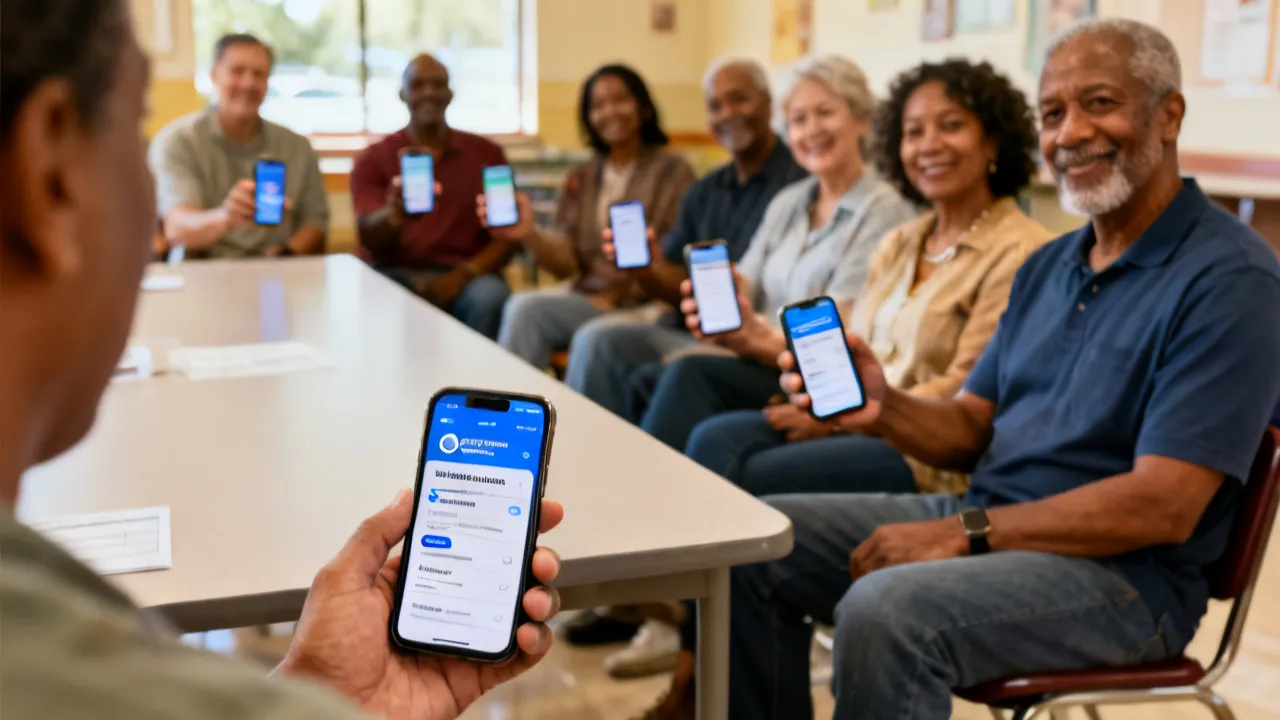
Government Phone Programs: Providers and Application Guide
This guide explains how major “government phone” wireless programs work, compares five well-known Lifeline-supported providers, and walks you through eligibility and application steps. It also clarifies what services are typically included, how device or data options may change by plan and state, and what documents you may need—based on official program frameworks and provider processes.
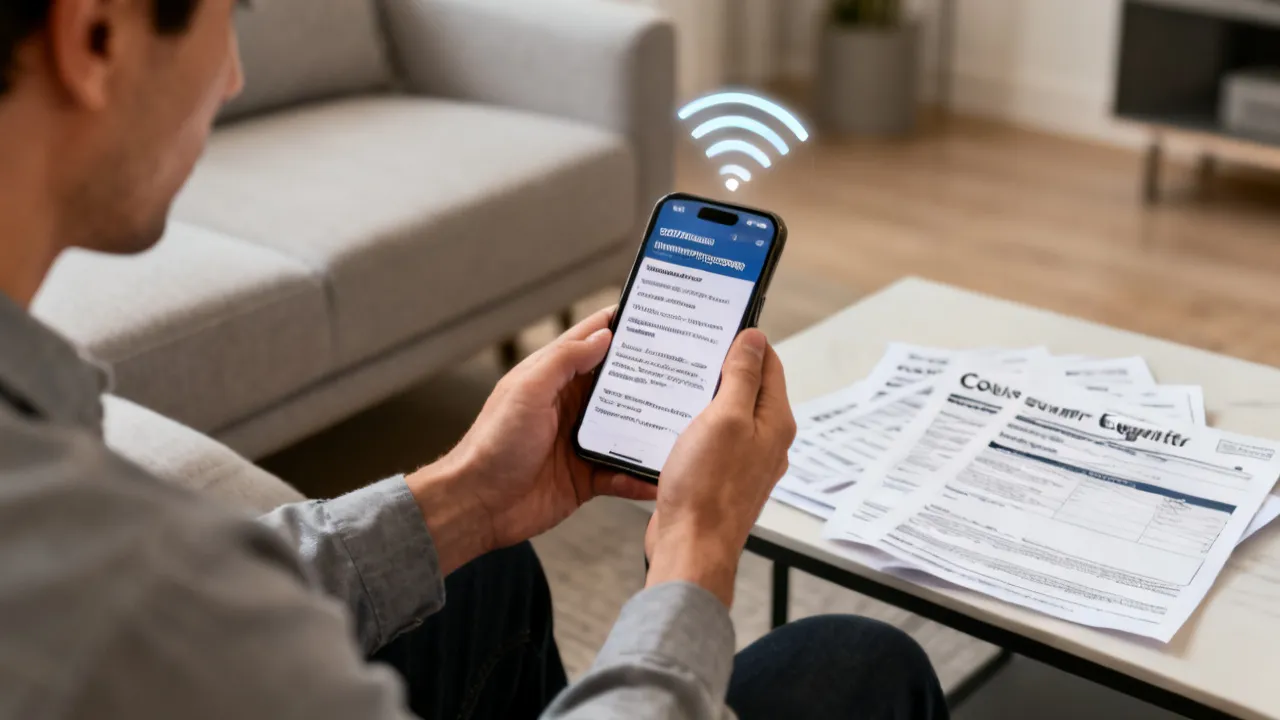
Top Takeaway: Choose the right Lifeline-style provider, then apply with accurate eligibility documents
Government-supported wireless offerings—often discussed as “government phone” programs—are designed to reduce monthly communication costs for qualifying households. While the marketing language around these programs can differ from provider to provider, the core idea stays consistent: if you meet the program’s eligibility requirements, you can often obtain a baseline wireless plan at a substantially reduced rate. This article provides an objective comparison of several major providers under the Lifeline framework, including SafeLink Wireless, Assurance Wireless, StandUp Wireless, Access Wireless, and True Wireless. It also explains common eligibility rules, how the application process typically works, and what additional costs may arise if you select premium device upgrades or higher tiers of service.
From an industry perspective, these programs are best approached as a compliance-and-compatibility exercise: you match your household qualification to the appropriate program, then confirm coverage, device model availability, and any optional upgrades before you finalize enrollment. Put simply, the “right provider” is not only the one with the most appealing plan description—it’s also the one that fits your situation: your location’s coverage, your device preferences, and the specific eligibility documents you can provide.
Because these programs are administered through eligibility verification systems and are subject to periodic policy updates, readers should treat plan details as subject to change. Still, the structural elements—eligibility verification, baseline plan benefits, device rules, and ongoing compliance—remain relatively consistent across Lifeline-supported offerings.
Why these programs exist (and what the keywords refer to)
Keywords such as SafeLink Wireless (safelinkwireless.com), Assurance Wireless (assurancewireless.com), StandUp Wireless (standupwireless.com), Access Wireless (accesswireless.com), and True Wireless (gotruewireless.com) commonly appear when people search for a low-cost way to obtain mobile service. In the U.S. ecosystem, these offerings are generally connected to consumer assistance initiatives administered through program frameworks like Lifeline (and, in many discussions, ACP for affordable connectivity support).
In practice, “government phone” terminology can vary by provider marketing language, but very relevant programs share similar structural elements:
- Eligibility verification (income-based and/or participation in assistance programs).
- Service tiering (typical baseline talk/text/data; optional add-ons).
- Device rules (affordable smartphone availability or bring-your-own-device options depending on the provider).
- Documentation and recertification (to maintain compliance over time).
It helps to understand that these programs are not simply “discount plans.” They are tied to regulatory eligibility. That is why the application step is often the biggest determinant of whether you get service smoothly. A household that qualifies but uploads the wrong document, uses a mismatched address, or fails to complete follow-up verification can experience delays or denials even when the underlying financial situation is eligible.
Another reason the keywords matter is that each provider can have unique operational differences: device inventory, shipping timelines, activation steps, the exact structure of data allotments, and the way optional upgrades are priced. Two households that qualify through the same pathway can still end up with different outcomes depending on which provider they choose and what devices they want to use.
At-a-glance comparison (official plan pages, included services, and potential extra costs)
The table below summarizes the provider’s official plan page, the services commonly included in the government-supported offering, and examples of optional charges that may apply. Because plan details can vary by state and eligibility pathway, treat this as a high-level comparison and confirm specifics on the provider’s site during application.
| Provider (official plan page) | Services typically included | Possible additional package costs |
|---|---|---|
| SafeLink Wireless | Unlimited talk and text; data allowances under qualifying plans; device support may include affordable smartphones or BYOD options depending on eligibility | Upgrades to premium devices or extra data beyond the base allowance |
| Assurance Wireless | Affordable Android smartphone options; unlimited talk and text; data allowances under qualifying plans | Optional upgrades such as additional high-speed data or international calling features |
| StandUp Wireless | Affordable smartphone or BYOD options; unlimited talk and text; qualifying data plans | Fees for premium phone upgrades or extra data |
| Access Wireless | Unlimited voice and text; limited high-speed data under Lifeline/ACP-aligned benefits | Data boosts and device upgrades may be available for a fee |
| True Wireless | Government-supported phone and service plans that include voice and data for qualifying customers | Optional improvements to device tier or additional data packages |
source: www.safelinkwireless.com | www.assurancewireless.com | standupwireless.com | www.accesswireless.com | www.gotruewireless.com (information source as cited by provider websites)
To make this comparison more actionable, you should also think about how you personally use data. For example:
- If you primarily need calling and texting for work and family, most baseline plans may be adequate.
- If you rely on mobile data for job applications, school platforms, navigation, or telehealth visits, then the “how much data” question becomes central.
- If you regularly stream video or use a phone as a hotspot, the baseline allowance might not feel sufficient, making optional data upgrades (and their costs) more important.
Plan names and marketing descriptions can be confusing, but usage patterns usually clarify what you should select.
Eligibility: the very common qualifying pathways (Lifeline-style and ACP-aligned)
Eligibility is usually determined by either (1) income thresholds tied to federal poverty guidelines, or (2) participation in certain government assistance programs. While exact cutoffs can be updated over time, a commonly referenced framework for these wireless assistance programs includes:
- Income: Household income at or below 135% of the federal poverty guidelines for Lifeline-style support.
- Additional support: Some families may qualify for expanded affordability support connected to ACP (commonly discussed as aligning with 200% of the federal poverty guidelines).
- Program participation: Enrollment in assistance programs such as Medicaid, SNAP, SSI, or FPHA (as applicable).
- Tribal residency: Living on qualifying Tribal lands can provide additional considerations or benefits within the broader program framework.
Industry note: Verification processes often involve a third-party or national verifier flow, plus state-specific implementation details. Even when you “qualify” in principle, your application can still require correct documentation formatting, matching names/addresses, and adherence to the provider’s submission method.
Because eligibility can be pathway-specific, it’s important not to mix “document types” in a way that confuses verification. For instance, if you qualify via program participation, you might need a document indicating enrollment in that program. If you qualify via income, you typically need income documentation. Some applicants attempt to submit whichever document is easiest to find, but verification is not always flexible.
In addition, eligibility verification is often sensitive to:
- Household size: incorrectly reported household size can affect income-based thresholds.
- Address matching: documents and applications should reflect consistent addresses.
- Name consistency: the same spelling across documents reduces rejection risk.
- Timing: outdated income statements might be rejected depending on provider rules.
- Program enrollment status: if an assistance program lapsed, your wireless eligibility may also fail verification.
Even if you believe you qualify, you should plan to gather the most straightforward and current evidence available before you start the application.
How to get a government phone: typical requirements and step-by-step application flow
While each provider operates its own intake process, the workflow tends to follow a similar structure. Below is a generalized guide reflecting the way many Lifeline-style wireless programs are administered.
Step-by-step: application and verification (what you’ll usually do)
-
Confirm your pathway to eligibility
Choose whether you qualify via income or program participation (e.g., Medicaid, SNAP, SSI, FPHA), as this influences the documents you’ll need. -
Review the provider’s supported options
Decide between a affordable smartphone option (when available) and bring-your-own-device (BYOD) pathways. Availability can depend on inventory and plan structure. -
Start the online application
Many providers accept applications via their websites. You’ll typically enter household and contact information, plus service preferences. -
Submit proof of eligibility
You may need to upload documents or complete a verification flow through an approved mechanism. Common requirements include proof documents for income or evidence of enrollment in qualifying assistance programs. -
Wait for approval and plan setup
If you request a device, you may receive shipping/activation instructions. If using your own phone, you’ll typically receive activation steps and compatibility checks. -
Maintain compliance over time
Programs often require recertification or continued eligibility confirmation. Keeping records and responding to verification requests quickly can prevent service disruption.
Common requirements you should prepare before you apply
- Household identifiers: name, address, and typically a date-of-birth or related identifying information (exact fields vary by provider).
- Eligibility proof: documents supporting income eligibility or participation in qualifying programs.
- Device details (if BYOD): phone model, compatibility information, and sometimes the line/account details needed for activation.
- Contact method: an email and/or phone number for status updates and follow-up verification.
Practical tip (expert view): If you recently moved, update documentation consistently before applying. Many application failures are due to mismatches between address or personal information across eligibility documents and the application form.
To further reduce application friction, consider preparing a small “application checklist” before you begin:
- Recent proof of address (if requested)
- Most current eligibility document (from your assistance program or your income source)
- Any device details you may need for BYOD compatibility checks (model number, carrier compatibility, or IMEI information if requested)
- Your best email and phone number for follow-up communication
Many applicants are surprised by how much the verification stage depends on clean, consistent information rather than on the application story. In other words, it’s less about “explaining” and more about “matching.”
Provider-by-provider notes (what to evaluate beyond the headline offer)
From a consumer communications and telecom operations standpoint, the very important differences between providers usually involve device availability, data tier details, and the mechanics of enrollment and activation—not merely “who offers a phone.” Below are evaluation points for each provider referenced in the keywords.
When comparing providers, it’s often helpful to break your evaluation into four categories:
- Enrollment friction: how long verification can take, how they communicate status, and how they handle follow-ups.
- Device path: affordable phone availability vs BYOD and how painless activation is.
- Service usefulness: whether the included talk/text/data meets real-world needs in your area.
- Cost surprises: whether optional upgrades have clear pricing and whether there are any one-time fees or activation charges in certain cases.
With that framework, the following provider notes become easier to interpret.
1) SafeLink Wireless
SafeLink Wireless is frequently selected by households seeking a straightforward enrollment experience. The provider’s “government-supported” offerings typically center on qualifying households receiving wireless service with unlimited talk and text and a data allowance. Some customers may also be offered an affordable smartphone option or can enroll using BYOD depending on eligibility and program rules at the time of application.
What to check: whether your preferred device model can be used (if BYOD), what data allowance applies to your plan tier, and whether any premium device selection would add cost.
Beyond the basics, there are several practical questions to consider with SafeLink:
- Does SafeLink show a BYOD compatibility tool? Many applicants benefit from checking compatibility before submitting eligibility documents, to avoid discovering late that their phone can’t be activated.
- If you want a phone, can you choose the model you prefer? Affordable phone inventories can change, meaning the “best” option might be constrained by what’s available at enrollment time.
- How are shipping and activation handled? Some households have a critical time window (job start dates, school enrollment deadlines). Understanding setup time can prevent missed communications.
- What happens if your verification is delayed? If documents are insufficient, the best plan choice becomes irrelevant because you won’t be activated. Knowing the status-check process reduces anxiety and prevents time-sensitive work disruption.
If you plan to use your current phone, the most important step is verifying that it is compatible with the network and not locked to an incompatible carrier. Even when a provider technically supports BYOD, the operational “activation success” still depends on device constraints and system checks.
2) Assurance Wireless
Assurance Wireless is commonly associated with Android smartphone availability and unlimited talk/text service under eligible plans. Data allowances can vary depending on the specific assistance pathway and provider configuration.
What to check: device model availability, activation timeline, and optional upgrade pricing if you require higher-tier data or add-ons.
Because many people choose Assurance primarily for device availability, it’s useful to think about your priorities:
- Do you need a “ready-to-use” smartphone immediately? If you need a phone quickly for job search or school, check the expected shipping timeline and whether there is a delay risk if inventory is limited.
- Do you have an existing phone you want to keep? If you prefer BYOD, verify compatibility up front and confirm whether Assurance requires any specific configuration for activation.
- Is the included data sufficient for your routine? Many households underestimate how much mobile data apps consume. If your work involves video calls or frequent uploads, you may need to budget for optional data boosts.
- Do optional upgrades have transparent costs? Ensure you understand how add-ons are billed (one-time vs recurring) and whether they change over time.
For the most objective comparison, you should also consider how well the provider handles customer experience after enrollment—especially if there is confusion about charges. People often seek these programs because they are on tight budgets. Providers that make upgrade pricing easy to understand help prevent unexpected spending.
3) StandUp Wireless
StandUp Wireless often offers qualifying customers a choice between affordable device support and BYOD options. Like many comparable providers, it structures service around baseline unlimited talk and text with a defined data allowance.
What to check: whether your phone is compatible for BYOD, whether the base plan’s data meets your everyday needs (maps, messaging, video calling), and the cost of premium device upgrades if you opt for them.
StandUp Wireless can be a strong option for households that want both flexibility and a clear baseline benefit. But to avoid disappointment, it’s important to examine the operational details:
- BYOD compatibility specifics: Some phones may work in principle but fail due to network restrictions or software limitations. If you intend to use your own phone, compatibility checks matter.
- Device selection limitations: Affordable device offerings may rotate. If you want a particular screen size, operating system version, or storage capacity, you may find that only certain models are offered.
- Data usage expectations: Many apps now have high data consumption even when they appear low-activity (navigation with live traffic, social media background loading, or frequent email sync).
- Optional feature pricing: If premium upgrades are required to access additional features, ensure those costs align with your budget.
A helpful approach is to estimate your typical daily data consumption before applying. If you’re currently using a prepaid plan, comparing your last month’s data usage can help you predict whether a baseline Lifeline-aligned data allowance is enough.
4) Access Wireless
Access Wireless is frequently discussed in connection with Lifeline- and ACP-aligned support. The provider’s typical structure includes unlimited voice and text and limited high-speed data under qualifying assistance. Data boosts and device upgrades are generally treated as optional paid features.
What to check: the specific high-speed data cap and whether you need additional boosts for heavy usage (for example, daily hotspot-like workloads, streaming, or frequent navigation apps).
Because Access Wireless emphasizes high-speed data limitations (which is common across many baseline offerings), your experience can depend heavily on how your phone uses “high-speed” vs “reduced speed” data. Even if you have “unlimited data” in some sense, throttling or reduced-speed behavior can still impact usability for:
- Video calls and video messaging
- Streaming services
- Large app downloads and updates
- Frequent map usage or live traffic features
Before committing, you should look for plan details describing whether the allowance is a fixed amount of high-speed data per month, and what speeds apply once that allowance is used. If you are unsure, consider asking customer support how “data boosts” are applied and whether boosts reset monthly or behave like pay-as-you-go additions.
Another practical question is whether your household needs multiple lines. Some Lifeline-style programs require that only one eligible line per household is supported, while household members might be eligible separately depending on specific rules. Always confirm household rules so you don’t run into eligibility issues.
5) True Wireless
True Wireless is a provider that supports qualifying households through government-linked programs. The enrollment model often includes affordable phone and service options for eligible customers, with optional upgrades available for those seeking better devices or additional data.
What to check: documentation submission requirements, the availability of the device tier you want, and the pricing structure for add-on data or upgraded phones.
With True Wireless, applicants often care about whether device options are consistent and whether the overall enrollment process is predictable. To evaluate suitability:
- How clear is the required documentation list? When the documentation requirements are clear, applicants are less likely to resubmit and delay activation.
- What device tiers are offered? Some providers offer multiple budget tiers. The differences often affect camera quality, processing performance, storage, and screen size.
- Are upgrade costs easy to find? Optional improvements can be valuable, but only if they are transparent.
- Is activation smooth? Check whether BYOD activation requires special steps and whether there is a support path if something fails.
True Wireless can be attractive for households who want a provider that clearly connects eligibility and service enrollment. However, even the best provider experience can be undermined by incomplete or inconsistent documentation. That’s why the “Top Takeaway” matters: choose the right provider, then apply carefully with accurate documents.
How to compare plans effectively (without relying on marketing claims)
When people search for “government phone” options, they often compare the promise of “affordable service” rather than the operational details. To make an objective decision, consider:
- Coverage quality in your area: even when talk/text are unlimited, data speeds can feel different based on local network conditions.
- Data allocation and practical usage: determine whether the included allowance is enough for your needs (email, school apps, job searches).
- Device terms: if offered, confirm device model, software version expectations, and whether the phone is locked to the program during early use.
- Activation timelines: some deployments take longer due to verification and inventory. Plan around important communications deadlines.
- Optional costs: understand what triggers charges—premium device choices, additional data, international calling add-ons, or other upgrade packages.
Many consumers want a “single best” provider. In practice, there often isn’t one. Instead, there is usually a best fit depending on whether you need a device shipped to your home, whether you plan to keep your phone, and how much data you rely on day to day.
To improve your odds of a good outcome, you can use a “decision checklist”:
- Step 1: Confirm eligibility documents are ready. If you don’t have what’s needed, pick a provider that clearly lists acceptable documents and has a straightforward verification process.
- Step 2: Confirm you can get a device (or activate BYOD). If you need your current phone to work, verify compatibility early.
- Step 3: Confirm the data plan matches your real use. If you plan to use maps, messaging, and moderate browsing, a smaller high-speed allowance might be fine. If you plan to stream or tether, you may need upgrades.
- Step 4: Confirm upgrade costs and terms. Look for whether you can control spending on data boosts or whether certain charges are recurring.
This method prevents a common pattern: signing up based on “unlimited talk and text” alone, only to discover later that the data limitations don’t match your routine.
More detail on eligibility documents: what tends to go wrong
Because eligibility documentation is the most common pain point, it’s worth expanding on what applicants should do to reduce failure risk. A successful application usually depends on clean matching across your identity and eligibility records.
Common causes of application delays include:
- Mismatch in name spelling between documents and the application form.
- Address mismatch (for example, using an old address on one document).
- Outdated income documents submitted past the allowed timeframe.
- Missing pages or incomplete uploads, which can make verification impossible.
- Inability to read the document due to low-resolution scans or glare.
- Submitting the wrong type of document for the eligibility pathway you selected.
- Failing to respond to follow-up verification requests quickly enough.
Practical steps to reduce these issues:
- Use a document scanner app if possible, and double-check that text is legible.
- Confirm your application fields precisely match what is shown on your eligibility documents.
- If you recently changed addresses or names, consider whether the verification system will reflect those changes yet.
- Keep screenshots or confirmation numbers from your submissions.
Also, be cautious about submitting multiple applications without understanding how approvals are handled. If you apply separately across providers, you may create complexity around household eligibility or verification outcomes. When in doubt, choose one provider and focus on completing the application carefully rather than rushing multiple attempts.
Device selection and BYOD compatibility: how to think about it
One of the biggest decisions in these programs is whether you want an affordable phone from the provider or want to bring your own device. Both paths can work, but they come with different risks and benefits.
Affordable phone route (provider device)
- Pros: less effort on compatibility, a device that is already intended for the program, and often a more guided setup process.
- Cons: limited selection based on inventory; you may not get the exact model you want; shipping timelines can delay activation.
BYOD route (bring your own device)
- Pros: you keep your familiar phone, your data and apps might be easier to transfer (depending on device settings), and you can avoid waiting for a shipping process.
- Cons: compatibility isn’t guaranteed. Some phones can fail activation due to network locking, supported bands, or required software configuration.
If you choose BYOD, you should treat compatibility checks as a first-class task. Don’t assume that “it worked on the previous carrier” automatically means it will activate successfully under a new provider. Activation systems sometimes depend on carrier configuration, SIM provisioning rules, and device identification.
Additionally, if your phone is locked to a previous carrier, you may need to unlock it before activation. The exact unlocking requirements and feasibility depend on the phone and the previous carrier’s policies.
Understanding service usefulness: talk, text, and data are not equal
Many people focus on “unlimited talk and text” because it sounds like the core benefit. However, modern life depends heavily on data. Data determines whether you can perform everyday tasks such as checking email, using online forms, performing job searches, getting directions, and staying in contact through messaging apps.
When evaluating your potential plan experience, consider these typical use cases:
- Emergency communications: talk/text might be the most important feature. Data is less critical, though having some data can help with location sharing.
- Job search: job boards, uploading documents, and contacting employers often require data.
- Health and school: many organizations move forms and portals online.
- Daily navigation: map apps can consume data quickly, especially with live traffic and frequent rerouting.
- Messaging apps: some services rely on data for messages and calls.
Even when a plan includes “data allowances,” those allowances might be limited to a certain amount of high-speed usage per month. After that, data can be throttled. The practical result is that your phone may still function but feel slower, especially for video and large uploads.
Therefore, a plan that is “the right price” might still feel frustrating if your daily tasks require more high-speed data than the base plan offers.
Optional upgrades and extra costs: what to watch for
The article’s at-a-glance table highlights that premium devices and higher tiers of service can add costs. This is the area where consumers most often feel surprised because the baseline plan appears affordable, but optional upgrades may be necessary to meet real needs.
Common optional cost categories include:
- Premium device upgrades: higher storage, better cameras, newer processors, or larger screens.
- Extra high-speed data: additional data boosts beyond the base allowance.
- International calling features: add-ons for calling outside domestic networks.
- Other service add-ons: depending on provider, there may be bundled features or special packages.
To manage costs, ask yourself:
- Do I actually need upgrades right away, or can I start with baseline and adjust later?
- If I need more data, is it a one-time boost or a recurring charge?
- Will upgrades reduce my budget flexibility?
A consumer-friendly approach is to start with the baseline plan if you can. If you quickly learn that you need additional data, you can decide whether that incremental cost is worth it. However, if you already know you rely on data heavily, you might choose to budget for upgrades from the start—just don’t assume upgrades are free.
It’s also wise to confirm the terms: some “data boosts” may expire at the end of a cycle, while others behave like added allotments. Understanding these terms helps prevent unexpected reductions in service speed after a boost is consumed.
Activation timelines and what to expect
After approval, activation generally follows a process that can include shipping a device, sending activation instructions, or provisioning a SIM/line for your BYOD phone. Activation timelines vary due to inventory and verification processing speed.
Applicants often get concerned about delays, especially if they need service for work or family communication. To plan better, assume that activation might not be instantaneous.
What can slow down activation:
- Document verification delays
- High demand periods
- Device inventory constraints
- Address or identity mismatches that trigger follow-up
To reduce the chance of a time-critical communication gap:
- Keep your previous phone service active until the new plan is fully activated (if feasible).
- Use a reliable contact method (email and phone) for follow-ups.
- Respond quickly to requests for additional documentation.
This is one reason the “Top Takeaway” matters. When you choose the right provider and submit accurate documents, you reduce the operational friction that causes delays.
Recertification and maintaining eligibility
One aspect many first-time applicants overlook is that eligibility can require recertification over time. Even after you successfully enroll, the program may periodically request confirmation that you still meet eligibility requirements.
If recertification is missed or documentation is not updated as required, service can be paused or terminated. The practical impact can be major for households that rely on the program for essential connectivity.
To stay compliant:
- Maintain records of your eligibility documents.
- Watch for notices from the provider.
- Respond quickly to any verification requests.
- If your address changes, update your information according to provider instructions.
Recertification rules can vary. Some programs may require periodic proof, while others rely on continuous enrollment in qualifying assistance programs. Either way, staying alert to notices is an important part of “getting the benefit and keeping the benefit.”
FAQs
FAQ 1: What is a “government phone” program?
A “government phone” program typically refers to a wireless affordability initiative designed for qualifying households. In the U.S., these offerings often operate through frameworks like Lifeline and may be discussed alongside ACP in affordability contexts. Providers such as SafeLink Wireless, Assurance Wireless, StandUp Wireless, Access Wireless, and True Wireless administer service plans under eligibility rules.
FAQ 2: Do I have to apply online?
Very providers offer an online application process. Some workflows may also allow verification through approved channels or national verifier steps. In all cases, expect to submit eligibility information and follow the provider’s instructions exactly. If online application is offered, it’s usually the fastest path, but always confirm whether the provider offers alternative submission methods if you need them.
FAQ 3: What documents do I need to qualify?
Commonly, applicants need proof of household income or proof of enrollment in qualifying assistance programs (for example, Medicaid or SNAP). Exact documents and acceptable formats vary by provider and by verification pathway. In some cases, you may also be asked for identity or household documentation to complete the application correctly.
FAQ 4: If I qualify, will I definitely receive a phone?
Not necessarily. Device availability can depend on program inventory, plan rules, and your selected enrollment option (affordable device vs BYOD). Some providers support customers who already own compatible phones, while others provide a handset for eligible applicants.
FAQ 5: Can I keep my current phone?
Many programs offer a BYOD pathway for eligible customers, but compatibility depends on the phone model and network requirements. During application, you should verify whether your device can be activated under the provider’s service plan. If your phone is locked to a carrier, you may need unlocking before activation.
FAQ 6: Are there extra charges even if the plan is supported?
Typically, the baseline supported plan is structured around the qualifying benefit. Additional costs may apply if you choose premium device upgrades, request higher-tier or additional data, or add optional services such as international calling features or special data boosts. Always review upgrade pricing and whether charges are one-time or recurring.
FAQ 7: How do I know my application was successful?
After submission, you’ll usually receive an approval status notification or follow-up request for documentation. Because verification depends on accuracy and eligibility matching, promptly responding to any verification requests can help avoid delays. Keeping confirmation numbers or screenshots from submission can also be helpful if you need to check status later.
FAQ 8: What if my address or household details change?
Changes can affect eligibility verification and program compliance. Update information as directed by your provider and maintain consistent records across your application and eligibility documents. If your household’s name or address changes, ensure your supporting documentation reflects the updated information as quickly as possible.
FAQ 9: What if I’m approved but service doesn’t activate right away?
Activation timing can vary due to verification processing, inventory, or device shipping. If your approval is confirmed but activation isn’t immediate, check the provider’s instructions for next steps and monitor your status portal (if available). If you still do not see activation progress after the expected window, customer support or the provider’s support channels may be needed.
FAQ 10: Is hotspot usage always included?
Not always. Many wireless plans restrict certain types of hotspot usage or may treat hotspot differently from regular phone data. If you depend on hotspot-like behavior (for example, connecting a laptop for work or school), review the plan terms and confirm whether hotspot is permitted and how it impacts data allowances.
Disclaimer and update notice
1) The above information comes from online resources, and the data is as of October 2023.
2) This website cannot guarantee that applicants will definitely get a government affordable phone. For specific application requirements and how to obtain it, please refer to the official requirements of the provider. This website will not be updated in real time.
References and link list
https://www.safelinkwireless.com
https://www.assurancewireless.com
https://standupwireless.com/
https://www.accesswireless.com
https://www.gotruewireless.com/
-
1

A Guide to Cost-Efficient Small Electric Cars for Seniors
-
2
Mastering Debt Consolidation: Boost Your Credit Score and Manage Interest Rates
-
3
Your Guide to Loans, Credit Checks, and Interest Rates
-
4
Affordable Independent Living: Finding the Right Senior Housing
-
5
Guide to Senior Living Apartments: Affordable and Comfortable Environments