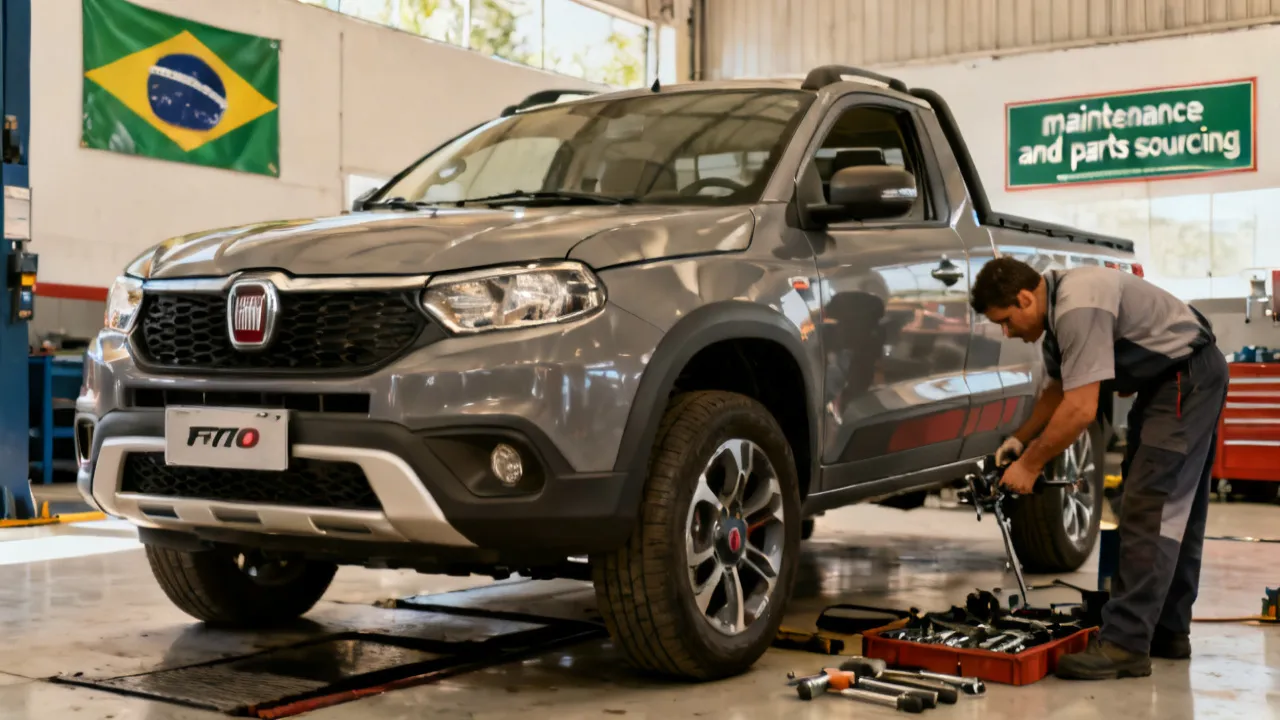
Fiat Toro Buying Guide: Price, Suppliers, and Tips
This guide explains how to evaluate Fiat toro options with a practical lens on pricing, supplier selection, and fit-for-purpose requirements. Objectively, Fiat toro is a popular choice in the compact-to-mid SUV segment, where buyers weigh comfort, drivetrain preferences, maintenance planning, and parts availability. You’ll find a structured comparison table, conditions to verify, and expert-style guidance to make decisions with confidence.
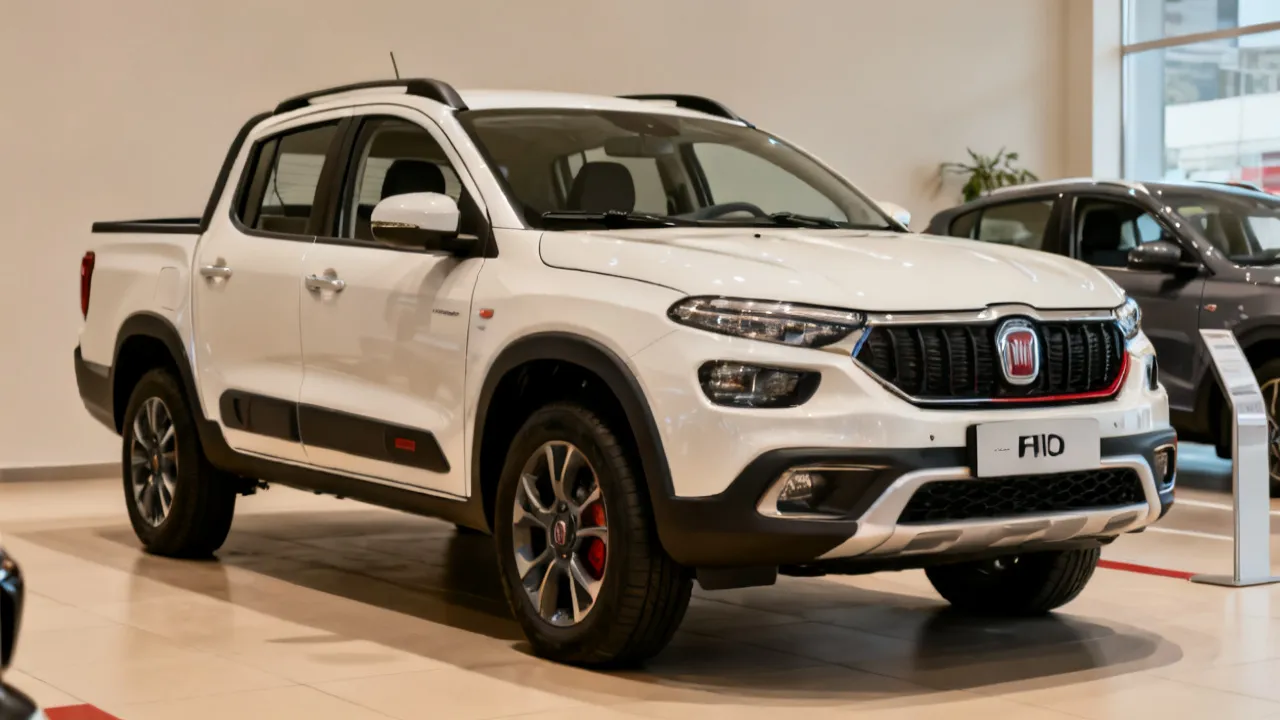
Fiat toro: how to assess price, suppliers, and ownership readiness
Choosing a Fiat toro is less about spotting a single “good deal” and more about validating the full package—purchase price, supplier reliability, vehicle condition, and good service access. In practice, the safest buying process starts with comparing like-for-like offers, confirming supply chain transparency for parts and warranty handling, and aligning the vehicle’s configuration with how you actually drive. When you treat the purchase as a system—money in, vehicle condition in, support infrastructure in—you make fewer emotional decisions and more evidence-based choices.
For many buyers, the biggest mistake is assuming that the advertised price is the price you will pay, or assuming that any seller can handle warranty issues the same way. Those assumptions can be costly. A Fiat toro may be priced competitively on the listing page, but the real risk shows up later: unclear documentation fees, missing inclusions, vague warranty coverage, long appointment lead times, or limited access to diagnostics and genuine parts. The remedy is not paranoia—it is a structured assessment that follows the same logic you would use when evaluating any high-impact purchase.
Why buyers focus on Fiat toro pricing and supplier credibility
In many markets, a Fiat toro listing’s headline price can look attractive, yet the true cost depends on details such as trim level, mileage (if used), registration and documentation fees, financing terms, and whether the supplier can provide verifiable service support. A disciplined buyer treats the “supplier” as part of the product experience. The supplier’s responsiveness, documentation quality, and after-sales capability often determine how smoothly ownership proceeds.
Credibility isn’t just about brand reputation. It’s about operational competence: can they answer questions with precise information, produce consistent paperwork, explain warranty claim pathways clearly, and coordinate service appointments efficiently? When suppliers have strong process discipline, the purchasing stage tends to be calmer, the handover stage is cleaner, and the “what if something goes wrong” stage is more predictable.
On the other hand, when supplier credibility is weak, small ambiguities can become major problems. A missing document can delay registration. A vague warranty can lead to disputes about whether a repair is covered. A supplier that lacks a reliable parts pipeline might keep your vehicle waiting longer than necessary. Even if the Fiat toro itself is mechanically sound, friction in the supply chain can make ownership feel frustrating.
What “Fiat toro” typically means for buyers in the SUV market (objective background)
The Fiat Toro is commonly positioned as a practical, style-conscious SUV choice for drivers who want a versatile cabin and everyday usability rather than niche off-road performance. As with very vehicles in its category, buyers evaluate:
- Trim and equipment: features that affect daily convenience, safety, and comfort.
- Drivetrain and transmission: how it fits commuting patterns, terrain, and preferred driving feel.
- Service access: whether routine maintenance and genuine parts are realistically obtainable through local channels.
- Total ownership planning: not only purchase price, but also maintenance intervals, consumables, and repair expectations.
Because it is used and sold in many different conditions and configurations, “Fiat toro” listings can vary substantially. Some are essentially new with minimal mileage; others are pre-owned with unknown service history; others are “dealer trade-ins” where the buyer receives partial documentation. Those differences matter. When you compare offers, you’re not just comparing a model name—you’re comparing a set of maintenance, support, and risk factors.
In the real world, a buyer’s experience is shaped by the mismatch between how a vehicle was intended to be used and how the buyer intends to use it. A drivetrain configuration that is excellent for highway comfort may be less satisfying in heavy city congestion if it changes how frequently you service specific components. Similarly, if you regularly carry loads or passengers, you may want a trim that offers better suspension balance, comfort features, or cabin practicality. The goal is not to buy “the most powerful” or “the cheapest.” The goal is to buy a configuration that fits your actual lifestyle.
Key evaluation signals when comparing Fiat toro offers
From an expert procurement perspective, the very reliable comparisons use structured checks. Below are the critical signals you should look for before committing. Think of these signals as a set of filters: each one reduces a different type of risk—financial risk, operational risk, mechanical risk, and support risk.
1) Offer clarity: what price includes
Ask whether the price covers vehicle registration, documentation processing, delivery, any confirmed warranty terms, and whether service packages are time-bound or mileage-bound. When offers omit these details, buyers can face unexpected charges later. Those charges might seem minor at first—an extra fee for paperwork, a delivery surcharge, or a “processing” line item—but they can add up and can also create confusion about what you truly agreed to.
To make offers comparable, request a written breakdown for each line item. A strong supplier can usually provide an invoice-like list or a contract schedule specifying what is included. If a supplier resists providing that detail, it might be because they are unclear internally, or because they want the buyer to decide before understanding the cost structure.
Also pay attention to financing inclusions. Some offers “include” a monthly payment number that is calculated with assumptions you did not explicitly agree to—interest rate, term length, deposit amount, and insurance add-ons. If financing is part of the deal, ask for the full financing agreement summary, including total cost and any conditions. If the seller cannot provide it, ask for time to review the financing documents before signing. You should not accept vague finance terms just because the monthly payment seems convenient.
2) Supplier documentation quality
A credible supplier can provide consistent documentation and respond with verifiable answers. Consider requesting details on:
- Vehicle history (for used inventory): service records, prior ownership details where applicable, and inspection reports.
- Warranty structure: what is covered, claim procedures, and how long coverage lasts.
- Parts sourcing approach: whether the supplier uses genuine parts and can document sourcing for repairs.
Documentation quality is one of the most underrated indicators of how ownership will feel. When paperwork is clean, it reflects that the supplier has standardized processes for inventory intake, inspection, and after-sales administration. If paperwork is inconsistent, delayed, or full of blanks, it suggests that internal workflows may be reactive rather than proactive.
Practical example: if you’re evaluating two Fiat toro suppliers with similar prices and similar trim levels, but one supplier can provide a warranty booklet and an inspection summary immediately, while the other provides only a short text description, the first supplier gives you an advantage. You gain the ability to verify terms, schedule a service appointment under the warranty, and track documentation for future resale or service claims.
3) Fit to your driving profile
A Fiat toro should match your use case. For example, frequent city traffic places different demands on drivetrain smoothness and maintenance planning than long-distance highway driving. A configuration that suits your typical route often reduces wear and improves day-to-day comfort.
When evaluating fit, go beyond generic “SUV for city and highway.” Consider specific patterns:
- Commute length: short trips can lead to more frequent thermal cycling and different maintenance needs than long steady drives.
- Road conditions: rough roads influence tire wear, suspension stress, and alignment needs.
- Parking and maneuvering constraints: exterior dimensions and turning comfort matter if you frequently park in tight urban spaces.
- Load or passenger frequency: consistent carrying impacts how you should think about tires, brake wear, and suspension maintenance.
Fit is also about your expectations. If you value smooth acceleration and relaxed highway overtakes, your preferred drivetrain behavior matters. If you value efficiency and consistent daily usability, you may prioritize a configuration that aligns with stop-and-go driving. Buying the “wrong” configuration for your pattern can make a good vehicle feel disappointing.
4) Condition and inspection depth
For pre-owned options, prioritize a comprehensive inspection rather than a quick look. Verify operational condition (engine start and idle behavior, gear changes, suspension feel), check for panel alignment issues, and confirm the vehicle’s electronic systems are functioning normally.
A deeper inspection matters because the “surface condition” can be misleading. Some vehicles look clean but have underlying issues that show up later—cooling system problems, intermittent sensors, tire replacement needs, worn suspension components, or warning lights that were cleared. A good buyer doesn’t just check what is visible. They check what can become expensive later.
When you test drive, don’t only test “smoothness.” Test for consistency across conditions. For example:
- Cold start behavior: engine sound, idle stability, and whether any warning lights appear.
- Acceleration consistency: any hesitation, unusual vibration, or lag.
- Braking performance: brake feel and any pull to one side.
- Steering alignment: straight-line tracking and steering response.
- Electronics usage: infotainment responsiveness, sensor warnings, and HVAC behavior.
If possible, request a diagnostic scan report. This can reveal stored error codes that are not visible in a simple test drive. It also provides an evidence trail that can support negotiation if issues exist.
5) After-sales responsiveness
Even a strong purchase can become difficult if the supplier’s service workflow is opaque. A practical test is how quickly they answer questions, how clearly they explain warranty steps, and whether they provide appointment or diagnostic pathways.
Responsiveness is not merely about politeness. It’s about process reliability. Ask specific questions that require more than a generic answer. For example, ask:
- How do you handle warranty claims step-by-step?
- What is the typical turnaround time for diagnostics?
- Do you provide a loan vehicle during warranty repairs (if applicable)?
- How do you order parts, and what happens if the part is delayed?
Compare how suppliers respond. A supplier that can clearly explain their workflow is more likely to manage issues efficiently if problems occur. A supplier that avoids details might be operating without a stable after-sales process.
Comparison table: how to evaluate Fiat toro sellers and purchase packages
The table below summarizes a decision framework you can apply to any supplier you consider. It is designed to help you compare offers without relying on marketing language alone.
| Evaluation Item | What to Verify | Why It Matters |
|---|---|---|
| Price breakdown | Confirm what is included (registration, delivery, documentation, warranty terms). | Prevents surprise fees and makes offers genuinely comparable. |
| Vehicle specification | Trim, key equipment, drivetrain configuration, and any included options. | Ensures the “same vehicle” is being compared across listings. |
| Warranty terms | Coverage scope, claim process, and duration (time/mileage, if applicable). | Protects against costly repairs and clarifies how claims are handled. |
| Parts and service sourcing | Whether genuine parts are used and how service is scheduled. | Reduces downtime and supports consistent repair quality. |
| Pre-owned inspection basis | Inspection report availability, test drive conditions, and documented checks. | Improves confidence in mechanical and electrical condition. |
| Supplier communication | Clarity, response time, and willingness to explain processes. | Signals operational maturity in sales and after-sales support. |
| Paperwork readiness | Completeness and accuracy of purchase documentation. | Minimizes delays or compliance issues after purchase. |
Step-by-step guide for buying a Fiat toro with fewer risks
Use this checklist as a practical sequence. It is written from an expert acquisition standpoint to reduce uncertainty. The order matters: you want to lock down affordability and terms early, then focus on inspection and fit, and finally align the ownership plan so you can act quickly after purchase.
- Define your non-negotiables. Choose the trim level and drivetrain style that match your commute and comfort priorities. If you frequently carry passengers or load, ensure the configuration fits that reality.
- Collect offer details in the same format. For each Fiat toro offer, capture the full price breakdown, warranty scope, and included options. Avoid comparing headline numbers alone.
- Validate supplier legitimacy. Confirm the supplier’s service presence, warranty handling process, and documentation capability. A supplier that cannot explain warranty procedures clearly is a red flag.
- Verify the vehicle with an inspection process. For used units, arrange a thorough inspection and test drive under normal conditions. Ask for evidence of prior service where available.
- Confirm parts and service availability logic. Ask how repairs are handled and whether genuine or equivalent parts are used. Understand appointment lead times if that is relevant in your area.
- Review the purchase paperwork carefully. Ensure all agreed terms appear in writing: price inclusions, warranty conditions, and any delivery commitments.
- Finalize with a “post-purchase plan.” Identify your next service milestone, note warranty claim steps, and keep documentation organized from day one.
Conditions and requirements to confirm before you sign
Because buying risk often concentrates in the final stage, focus on these requirements. If any item cannot be confirmed, negotiate terms or reconsider the deal. The key is to treat “confirmation” as evidence: something you can refer to later, not something a salesperson mentions verbally.
- Written warranty terms: coverage scope, duration, and claim method.
- Invoice/receipt transparency: the price breakdown and inclusion list.
- Vehicle identification details: VIN/vehicle ID, and alignment with the advertised specification.
- Inspection record (if used): what was checked, by whom, and when.
- Service support pathway: where diagnostics happen and how repairs are scheduled.
It can be helpful to create a “paper checklist” and align it with the contract. For example, if you agree that delivery includes a certain service (such as an initial inspection or a maintenance package), make sure that detail appears in writing. If it is not written, it may not exist.
Also check that the contract reflects any agreed concessions. If the supplier agrees to replace tires, fix minor issues, or provide additional warranty time, that must be documented. Verbal commitments are often hard to enforce.
Industry context: how buyers should think about automotive value
In automotive procurement, value is not synonymous with the lowest price. It is the alignment of expected performance, costs, and risk over time. Reputable suppliers typically reduce friction by standardizing documentation, offering clear warranty terms, and maintaining service operations that keep repair quality consistent.
One way to evaluate value is to separate “price” from “total ownership cost.” A low purchase price might be offset by higher expected maintenance costs, longer downtime, or weaker warranty protections. Conversely, a slightly higher purchase price might be justified if it includes a stronger warranty, reliable service access, or verified pre-owned condition with inspection documentation.
When buyers think about value, it helps to define a personal “risk tolerance.” Some owners are comfortable with higher uncertainty if the price is very low and the vehicle is well-inspected. Others prefer predictable service support and stronger warranty terms, even if the initial cost is higher. Neither approach is inherently wrong; what matters is that the decision is deliberate and informed.
For objective background on consumer safety and vehicle reliability reporting in general, readers can refer to reputable public resources such as the U.S. National Highway Traffic Safety Administration (NHTSA) and other official or standardized testing and reporting programs where available. These sources help buyers look up recalls and safety-related information when considering a vehicle. (Always confirm relevance to the exact model year and configuration you are considering.)
Beyond recalls, buyers should consider how a vehicle’s typical issues (if any) are handled in their region. Even if a model has known problems, ownership can be manageable if service centers stock parts, have diagnostic capabilities, and provide warranty handling efficiently. Value depends not only on the vehicle, but on the local ecosystem that supports it.
Delving deeper: how to assess ownership readiness beyond the listing
Once you pass the initial price and supplier checks, the next step is ownership readiness—the question of whether your life will be disrupted if something needs service. A Fiat toro can be a practical daily driver, but daily drivers still require routine maintenance, tires, brakes, consumables, and occasional repairs. Ownership readiness means you are prepared for those realities before you buy.
Ownership readiness can be assessed in at least four dimensions: service accessibility, parts availability, administrative efficiency, and your own maintenance habits.
Service accessibility: can you realistically get appointments?
Ask questions about how service scheduling works. For example, where do you book appointments? How far in advance do bookings occur during peak seasons? Do they offer service plans or reminders? If your supplier says “we can take it whenever,” ask for practical timelines—estimated earliest appointment availability and whether diagnostics can be booked separately from repairs.
Also ask whether the service center is equipped to handle specific tasks under warranty. Some workshops handle routine maintenance well but may require escalation for certain warranty claims. A buyer benefits from knowing these operational details ahead of time, not after a repair is needed.
Parts availability: what happens when a component is needed?
Parts availability is often the quiet reason for long repair times. When you ask how parts are sourced, listen for whether the supplier can give a realistic process rather than vague assurances. A credible supplier can explain:
- How they order genuine parts or approved equivalents.
- Typical lead times for common components (filters, brake pads, bulbs, sensors).
- What happens if a part is backordered—do they provide updates, alternative solutions, or estimated dates for arrival?
If you frequently drive in harsh conditions (hot climates, heavy dust, salted roads), consumables can wear faster. In those cases, parts availability becomes especially important because you cannot wait indefinitely to maintain safe operation.
Administrative efficiency: does paperwork flow smoothly?
Ownership readiness includes how quickly you can obtain documentation—service records, warranty confirmations, and invoices. If a supplier is well-organized, they can provide digital copies or printed documentation without delay. This is important not only for your warranty claim management, but also for resale value later.
For example, a buyer planning to sell the Fiat toro in a few years benefits from having service history in a clear format. If the supplier lacks administrative discipline, record-keeping might be inconsistent, making it harder to prove maintenance and potentially lowering resale value.
Your maintenance habits: alignment between your plan and their guidance
Even with a great supplier, your maintenance habits affect ownership readiness. Ensure you understand service intervals for your specific trim and drivetrain configuration. Ask whether the supplier recommends a certain schedule and what they consider “routine” versus “inspection.” Keep a folder with:
- Invoices and receipts
- Service reminders and service plan details
- Warranty booklet and any warranty registration confirmation
- Diagnostic scan results (if performed)
When you keep documentation organized, you can communicate more effectively with service departments and reduce the chance that warranty disputes occur due to missing records.
Expanded guidance: evaluating Fiat toro price properly (not just “cheap vs expensive”)
Price evaluation should be methodical. A “cheap” Fiat toro might be inexpensive because it has higher expected repair costs, missing inclusions, or a weaker warranty. Conversely, an “expensive” Fiat toro might be justified by better documentation, verified inspection, and stronger warranty coverage. To avoid being misled, treat each offer as a bundle of costs and protections.
1) Normalize the price by inclusions
Start by normalizing offers to what is included. If Supplier A includes registration, delivery, warranty coverage, and an inspection, while Supplier B only quotes a vehicle price without those items, you are not comparing like-for-like. Ask for total out-the-door price. “Out-the-door” should reflect all known required payments to complete purchase.
2) Watch for hidden costs in financing
Financing adds complexity because the “monthly payment” can hide the total cost. Compare:
- Total interest paid over the loan term
- Any fees included in the finance package
- Whether the financing rate is fixed or variable
- Any conditions tied to the rate (such as insurance requirements)
If the supplier can’t provide an honest total cost projection, ask for time to compare the offer with your own financing options. Buyers who treat financing as a separate evaluation tend to make better overall decisions.
3) Treat warranty coverage as a financial instrument
A warranty is a form of risk transfer. When warranty terms are weak, the buyer absorbs more repair cost risk. When warranty terms are strong and properly administered, the buyer reduces risk.
Evaluate warranty terms with a focus on coverage scope (what exactly is covered), exclusions (what is not), and the claim process (what you must do to qualify). A warranty with many exclusions may not provide the protection buyers assume. Similarly, a warranty that covers “certain components” might be less valuable than a warranty that covers an entire system with clear repair pathways.
4) Compare pre-owned vehicles using a “condition adjustment” mindset
For used Fiat toro listings, condition affects price. A vehicle with verified service history, consistent inspection documentation, and clean diagnostic results should command a higher price than a vehicle with unknown history. Buyers who compare used cars only by mileage can be misled. Two vehicles can both have similar mileage but vastly different wear patterns.
If you discover issues during inspection—like worn brakes, tire replacement needs, sensor warnings, or suspension play—those condition factors can justify a lower purchase price or a repair/replace commitment from the supplier.
Expanded guidance: assessing suppliers like an ownership partner
Supplier credibility should be assessed with the mindset that the supplier is your long-term partner for service and warranty. A buyer should not only ask “Is this a good deal?” but also “Will this supplier be capable when I need help?”
Supplier communication as a measurable indicator
Communication quality can be evaluated by:
- Consistency: Do they provide the same information in writing and verbally?
- Specificity: Do they answer questions with details or vague statements?
- Speed: How quickly do they respond to normal inquiries?
- Clarity: Do they explain warranty claims and service pathways in an understandable way?
When a supplier is process-driven, they tend to communicate clearly. When they are improvising, they tend to be unclear.
Service workflow credibility
Ask about the actual workflow: diagnostic appointment first, then repair authorization, then parts ordering, then repair completion, then warranty submission (if applicable). A supplier that can outline the workflow is more likely to handle issues smoothly. A supplier that avoids workflow discussions may not have a clear system.
Supplier transparency about parts quality
A common concern is whether a supplier uses genuine parts or approved equivalents. Buyers should ask directly. Even if a supplier uses equivalent parts, ask how they justify equivalency and whether it affects warranty coverage. If a supplier claims “we use genuine parts” but cannot explain how parts are sourced or documented, you should ask for evidence.
From an ownership readiness standpoint, the ability to document parts sourcing matters. If a component fails and a warranty claim is needed later, documentation reduces disputes about whether the repair met expected standards.
Return policy and pre-delivery responsibilities
Depending on the market and supplier type, there may be pre-delivery checks or a limited return/refund policy. Confirm what happens if the vehicle is delivered and later discovered to have issues not disclosed at purchase. A supplier should be willing to describe what inspections they perform prior to delivery and what recourse exists if issues appear quickly.
Expanded guidance: performing a higher-quality Fiat toro inspection
For used Fiat toro vehicles, inspection depth is a major determinant of risk. A fast inspection can miss subtle problems. While you might not be able to perform a professional mechanical inspection yourself, you can still structure a better buyer-led inspection that captures key issues.
Pre-inspection preparation
Before you meet the vehicle, gather the listing details and ask for the vehicle ID so you can confirm the advertised trim and configuration. Prepare a checklist and bring it with you. If possible, plan to schedule the test drive and inspection during daylight hours so you can check body condition and alignment more clearly.
Exterior and body checks
- Panel alignment: uneven gaps can indicate prior repair or alignment issues.
- Paint consistency: mismatched paint tones can suggest repainting.
- Underbody signs: look for excessive rust, dents, or signs of impact.
- Tire wear patterns: uneven wear may indicate alignment or suspension problems.
Engine and drivetrain checks
Engine inspection should include cold start where possible. If a cold start is not possible, ask when the last drive occurred and consider how that might affect what you observe. Check for:
- Unusual noises at idle
- Vibration
- Warning lights during startup
- Smooth gear transitions (if automatic, feel changes; if manual, look for clutch engagement consistency)
Suspension, steering, and braking checks
Drive the vehicle on roads with varying surfaces. Listen and feel for knocks, excessive play, or pull to the side under braking. Verify:
- Brake pedal feel (spongy vs firm)
- Steering centering consistency
- Any vibration at certain speeds
- Suspension behavior over bumps
Electronic systems and comfort features
Modern vehicles can store error codes without obvious dashboard alerts. You can still check functionally:
- Infotainment responsiveness
- Navigation or connectivity features (if equipped)
- All warning lights: test that none remain illuminated
- HVAC operation in both hot and cold settings (if feasible)
- Power windows, mirrors, sensors, and lighting functions
If the supplier is reputable, they should not resist a diagnostic scan. Ask for a scan result or permission to perform one with an independent shop. If they refuse without a clear reason, consider that a risk indicator.
Negotiation based on inspection findings
Inspection findings should be used to negotiate with logic. If you find wear items that require near-term replacement, ask for:
- A price adjustment
- Repair/replace before delivery
- Warranty extensions for specific components, if applicable
Negotiation works best when you present evidence rather than impressions. If a tire has uneven wear, show it. If a warning light was present, document it. If the diagnostic scan reveals error codes, use that data to request resolution.
Expanded guidance: paperwork readiness and compliance details that affect ownership
Paperwork readiness affects not just legal compliance but day-to-day ownership. If paperwork is incomplete or wrong, you might face delays, administrative burdens, or warranty claim disputes.
Verify vehicle identity and specification alignment
Before signing, confirm the vehicle identification details (VIN/vehicle ID) match the advertised listing and the contract. Confirm the trim, drivetrain, and key options match what you’re buying. Mistakes can happen in inventory systems. A buyer who checks reduces downstream headaches.
Confirm registration and documentation processing timelines
Ask how long registration/document processing takes and whether there are interim steps (temporary permits). If delivery is scheduled before registration, clarify responsibility for permits. If the supplier cannot provide a timeline, it can become a source of frustration after purchase.
Confirm warranty registration steps
Many warranties require registration within a specific period. Ask the supplier whether they handle warranty registration and how you receive confirmation. If you are responsible for registration, get the timeline and instructions in writing.
Keep a complete ownership file
After purchase, maintain an “ownership file” including all paperwork. This file should contain:
- Purchase invoice and receipt
- Warranty booklet and warranty registration confirmation
- Service schedule and service history
- Any diagnostic scans or inspection reports completed during purchase
- Correspondence related to claims or service authorizations
This file can protect you if warranty coverage is questioned later. It also makes future resale easier because buyers tend to value documentation and consistent service records.
Expanded guidance: using safety and recall information responsibly
Safety recalls are a critical part of responsible vehicle purchase decisions. However, recall information must be checked carefully for the exact model year and configuration. The reason is straightforward: recalls can apply to specific production ranges or equipment versions.
Use official government or standardized portals to search using the exact vehicle identification details. When possible, verify whether:
- A recall applies to the specific Fiat toro VIN
- The recall work has already been completed
- Any remaining actions exist
If a supplier claims a recall has been addressed, ask for documentation. A buyer should not rely solely on verbal confirmation. Documentation provides evidence that the safety work was completed to the expected standards.
FAQs about Fiat toro purchasing
1) What should I check first when comparing Fiat toro offers?
Start with a complete price breakdown and the exact specification (trim, drivetrain, and included options). Then verify warranty scope and what the supplier includes in after-sales support. If those fundamentals are unclear, don’t try to “outsmart” uncertainty by focusing only on the lowest headline price.
2) Do I need to worry about supplier type, or is the vehicle all that matters?
Supplier quality matters because it affects warranty handling, parts sourcing, and repair workflow. Two vehicles with similar specs can still lead to different ownership experiences depending on how issues are resolved. Supplier type is also relevant for administrative support: who updates warranty records, who manages claims, and how quickly repairs can be scheduled.
3) How can I compare prices without being misled by marketing?
Compare offers using the same categories: registration/documentation inclusions, warranty terms (time/mileage where relevant), delivery costs, and any service packages. If details differ, normalize the comparison rather than relying on the headline number. When possible, compute an out-the-door total so you can decide based on real affordability.
4) If I buy a pre-owned Fiat toro, what inspection areas are very important?
Prioritize engine and drivetrain behavior, suspension and steering feel, brake performance, electronic system checks (including infotainment and warning lights), and a visual inspection for body alignment and signs of prior damage. Also consider a tire and underbody check, because wear patterns can reveal alignment, suspension, or road condition history.
5) What are the minimum conditions I should require in writing?
At minimum, require written confirmation of the final price breakdown, warranty coverage terms, and delivery/appointment commitments. For used vehicles, insist on inspection evidence and disclosure of relevant condition notes. If the supplier offers any extra protections (like extended warranty or service packages), those must appear in the documentation.
6) Are there reliable ways to check safety or recall information?
Use official government or standardized reporting portals and search using the vehicle identification details for the exact Fiat toro configuration you are considering. This helps you confirm whether any safety-related actions apply. If recalls exist, confirm the completion status with documentation and ask about the remediation process timing.
7) What does “supplier parts support” mean in practical terms?
It refers to how easily the supplier can source required components and how repairs are scheduled and documented. A strong supplier will communicate part sourcing logic and service scheduling clearly, provide realistic lead times, and document the repair process so warranty claims are less likely to become disputes.
8) If I’m not sure about inspection, should I pay for an independent mechanic?
In most cases, paying for an independent inspection can be worth it when the purchase is high-impact. An independent mechanic can verify mechanical condition and may run diagnostics. The key is that the inspection should be structured and evidence-based, not just a general “looks fine” check. If the seller refuses to allow an independent inspection without a valid reason, treat that as a risk signal.
9) What should I do if the supplier’s warranty explanation is vague?
Ask for the warranty terms in writing. Request a copy of the warranty booklet, coverage summary, and claim process instructions. If the supplier cannot provide documentation, negotiate warranty terms to be included in the contract or reconsider the deal. Vague warranties are a common source of later dissatisfaction.
10) Is it okay to negotiate on warranty or service packages?
Yes, negotiation is common—especially when there are inspection findings or when service packages are optional add-ons. If the supplier is confident in the vehicle condition and their service system, they can usually offer practical protections. The best negotiation approach ties warranty or service additions to specific needs: wear items identified, short-term repair risk, or timing flexibility.
Conclusion: a disciplined approach to Fiat toro decisions
A Fiat toro can be a smart purchase when the process is disciplined: compare like-for-like offers, verify warranty and documentation, scrutinize supplier competence, and confirm service access before you commit. When you treat pricing, supplier credibility, and ownership readiness as one connected evaluation, you reduce avoidable risk and improve your odds of a satisfying good outcome.
If you apply a structured approach—normalizing price inclusions, insisting on written terms, performing a deeper inspection for used units, and confirming that service and parts support are realistic—your purchase decision becomes more resilient. The goal is not perfection. The goal is a predictable ownership experience where the vehicle you choose matches your needs and where the support system around it is strong enough to protect you when real-world issues arise.
-
1

A Guide to Cost-Efficient Small Electric Cars for Seniors
-
2
Mastering Debt Consolidation: Boost Your Credit Score and Manage Interest Rates
-
3
Your Guide to Loans, Credit Checks, and Interest Rates
-
4
Affordable Independent Living: Finding the Right Senior Housing
-
5
Guide to Senior Living Apartments: Affordable and Comfortable Environments