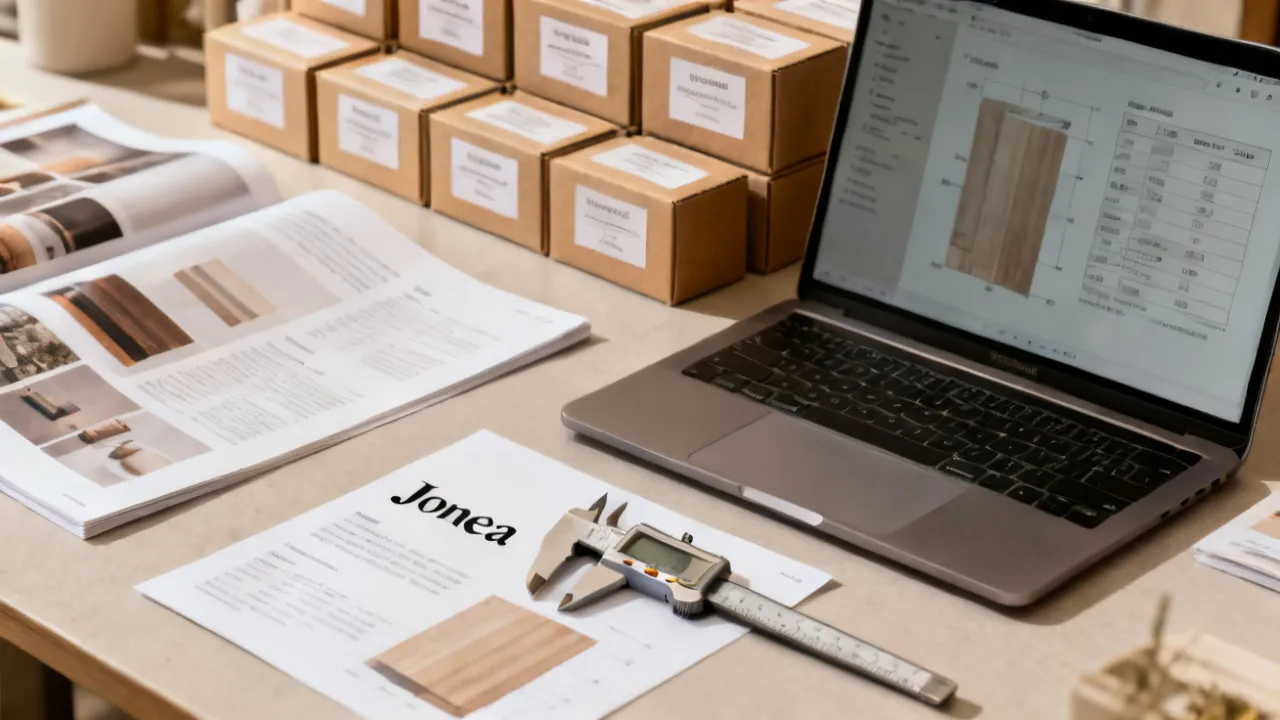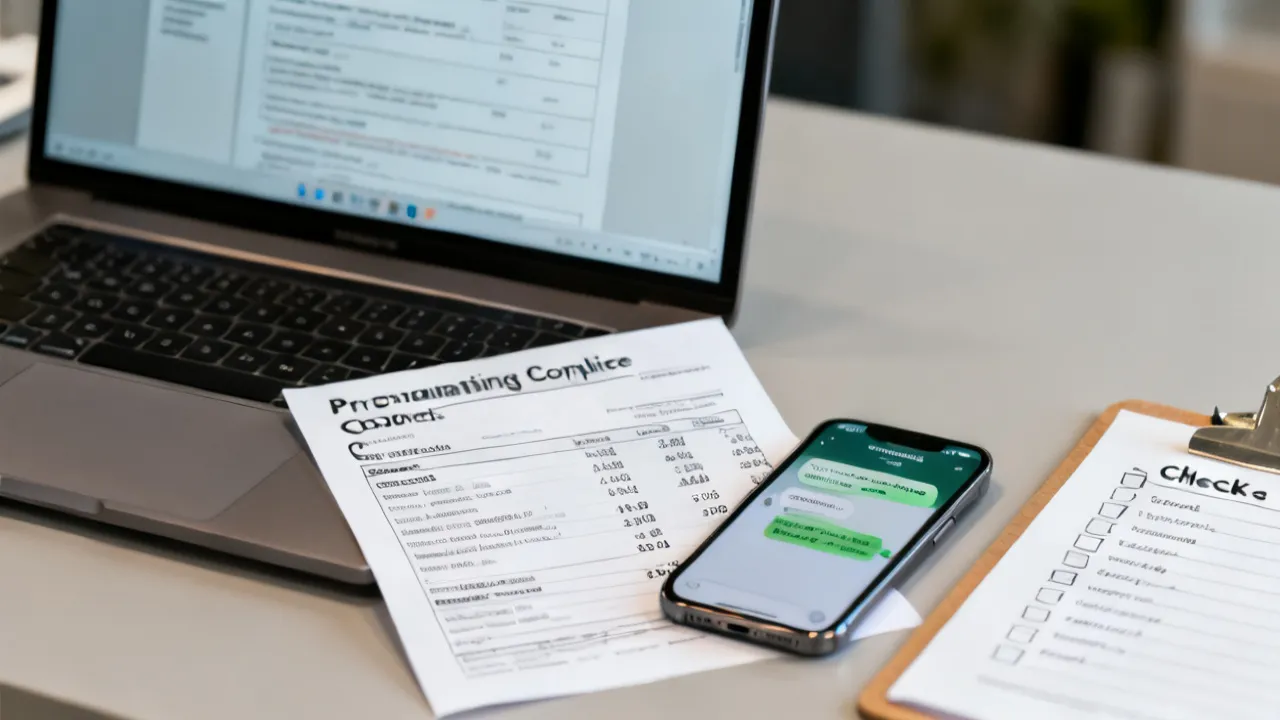
Jonea Guide: Quality, Sourcing, and Buyer Expectations
This guide explains how to evaluate Jonea products with a practical, quality-first approach. It outlines what “Jonea” typically refers to in buyer conversations, discusses procurement and supplier considerations, and clarifies how to assess pricing and sourcing responsibly. The focus remains objective: features, documentation, tolerances, and delivery readiness.
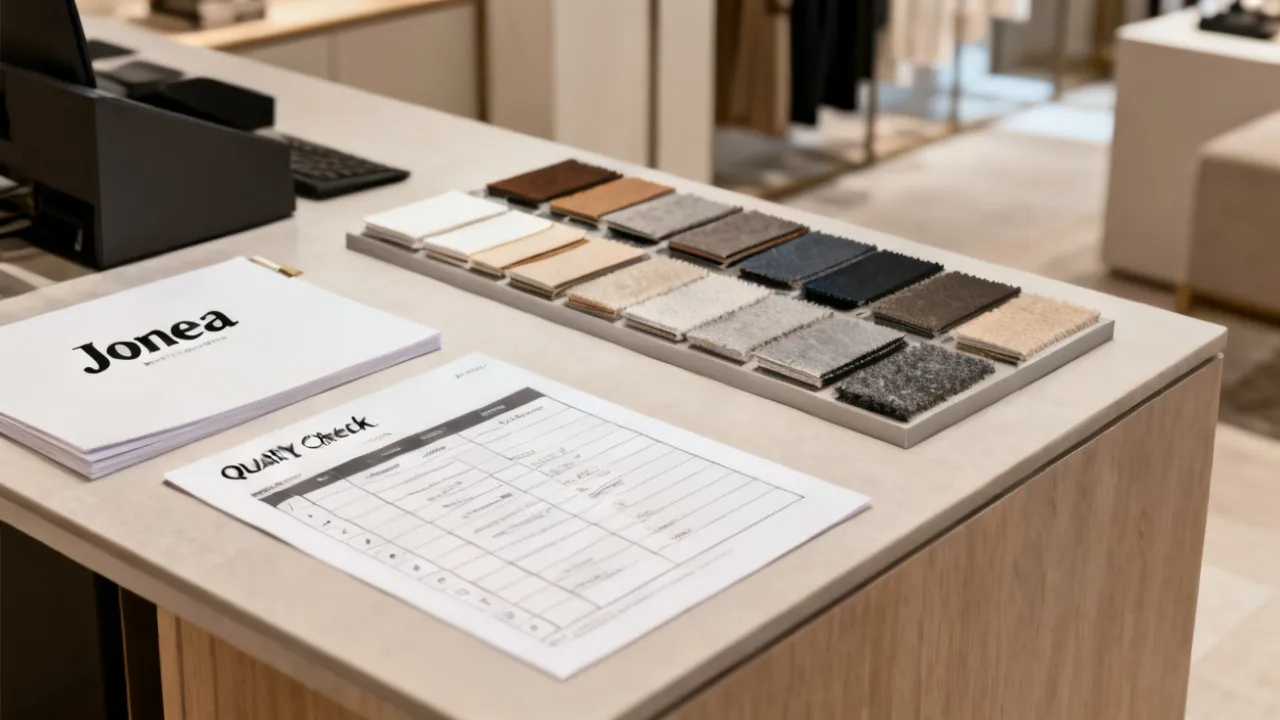
Why Jonea Matters for Buyers: Quality Checks and Sourcing Clarity
When people search for “Jonea,” they’re usually trying to narrow down a specific product line or supplier offering that can be evaluated for consistency. This guide helps you approach Jonea with a quality-first mindset—so you can compare options responsibly, understand typical procurement expectations, and reduce the risk of mismatched specifications. Instead of relying on marketing impressions, you’ll focus on documentation, tolerances, supplier traceability, and realistic delivery conditions.
Just as importantly, this guide treats the word “Jonea” as a starting point—not a guarantee. In many buying journeys, the term becomes a shortcut for convenience: a brand name used in listings, a variant label that multiple suppliers interpret differently, or a shorthand for a category that can hide meaningful differences. That’s why your success as a buyer depends less on what the listing claims and more on what you can verify before payment and before integration into your operations.
If you’ve ever experienced a scenario where “the item is supposed to match” but arrives with unexpected dimensions, incomplete paperwork, or packaging problems, you already understand the central buying risk: ambiguity. Jonea matters because ambiguity tends to accumulate around popular product labels. If you resolve that ambiguity early—by asking the right questions, demanding traceable evidence, and setting acceptance rules—you turn a vague product search into a reliable procurement workflow.
Background: What “Jonea” Often Represents in Procurement Discussions
In many markets, a single brand or label like Jonea functions as a shorthand for three buyer goals: (1) identifying the exact product variant, (2) confirming quality standards and acceptable tolerances, and (3) establishing trust in the supplier’s ability to deliver the right items at the right time. Because “Jonea” can be mentioned in different contexts—such as retail listings, wholesale inquiries, or procurement requests—the very important step is not to assume meaning, but to verify what the label corresponds to for your specific purchase.
From an industry perspective, buyer confidence generally improves when three elements align: product specifications, supplier documentation, and purchasing terms. These elements are often discussed indirectly—through price quotes, lead times, packaging references, and warranty or return language. A careful approach to Jonea buying therefore combines technical verification with procurement discipline.
To illustrate why this matters, consider the common “label drift” problem: multiple sellers may list “Jonea” while offering different sub-variants under the same umbrella label. One supplier might source from a particular factory revision; another might use a different material grade; a third might substitute a compatible component but still advertise under the same consumer-facing name. None of these situations is necessarily malicious, but they all create buyer risk unless you force clarity through documentation and measurable acceptance criteria.
Additionally, the procurement context influences what “good” means. A buyer purchasing Jonea for immediate assembly may care most about packaging integrity, stable dimensions, and fast shipping. A buyer purchasing for ongoing replenishment may prioritize repeatability across batches, documented change control, and consistent paperwork. A buyer purchasing for compliance-sensitive applications may require certificates, traceability, and specific regulatory documentation. “Jonea” is the same word, but buyer requirements can vary drastically.
Inverted Pyramid Take: The Very Critical Buying Criteria First
If you’re considering Jonea through any supplier channel, prioritize the following items before you compare price. This sequence protects your timeline and reduces the likelihood of rework, returns, or delayed deployments.
- Specification match: Confirm the exact model/variant, material or component standard, dimensions, and performance requirements relevant to your use case.
- Evidence of quality: Request batch traceability, inspection records, and any applicable compliance documentation.
- Supplier credibility: Verify manufacturing or sourcing responsibility, not only reseller status.
- Pricing structure: Compare total cost of procurement (unit price, packaging, shipping, handling, taxes, and any custom requirements).
- Delivery and acceptance conditions: Ensure lead times, packaging integrity, and acceptance criteria are clearly defined before payment.
Notice how “price” is not first. This isn’t because price is irrelevant—it’s because price can be misleading when specs are unclear, documentation is missing, or shipping conditions are uncertain. For example, a lower unit price can be outweighed by higher incident costs: delayed installation, downtime, replacement shipping, or even labor wasted on rework to adapt an incorrect variant.
Quality Considerations: How Experts Evaluate “Jonea” Consistency
From an industry expert’s standpoint, consistency is the difference between a one-time purchase that “seems fine” and a repeatable supply chain you can trust. For Jonea inquiries, consistency usually hinges on the same measurable factors you would apply to any product line with multiple vendors or batches.
Experts generally treat the evaluation as a chain: if one link is weak—unclear specs, missing traceability, inadequate packaging—then the downstream risk increases. In practice, you can think of quality as something that must be supported at three stages: before shipment (documentation and controls), during shipment (packaging integrity and handling), and after receipt (inspection procedure and acceptance thresholds).
To evaluate Jonea consistency effectively, you need to ask questions that force answers in measurable terms. “Is it the same as the last order?” is useful, but “Which batch/lot produced this shipment, and how do you verify the dimensions/performance stayed within tolerance?” is more actionable.
1) Documentation and Traceability
Ask for documents that connect the product you receive to the process used to produce it. Depending on the category, this might include certificates of conformity, inspection reports, or batch/lot identification. A reputable supplier should be able to explain what paperwork exists and what it covers. If the supplier cannot clarify documentation scope, that becomes a risk signal worth pricing in—or avoiding.
Traceability isn’t just “nice to have.” It becomes crucial when you need to investigate issues. If an assembly fails, you need to know which supplier batch produced the parts, which inspection criteria were used, and whether corrective actions were taken in later batches. Without documentation, you’re forced to guess. Guesswork is expensive in procurement.
When requesting documentation for Jonea, you’ll want to be specific. Instead of asking generally for “papers,” ask for:
- Batch/lot numbers: The identifier printed on packaging or shipment documentation.
- Certificate types: Certificate of conformity, certificate of analysis, inspection certificate, or similar category-specific documents.
- Scope of coverage: Which attributes were tested or verified (dimensions, material composition, performance metrics, functional checks).
- Testing basis: The standard or internal method used to test compliance.
- Sign-off information: Who reviewed and approved the documents and whether the supplier can authenticate the records.
For buyers in regulated or safety-sensitive environments, the “right documents” may include additional items such as material declarations, regulatory compliance statements, or industry-specific test reports. Even if you don’t fall into a regulated category, documentation still acts as risk insurance and helps you compare suppliers on a level playing field.
2) Tolerances and Acceptance Criteria
Many disputes come from mismatched expectations. Even when two items share a name like Jonea, the underlying specifications may differ. Quality-minded buyers request tolerances: the allowable variation for dimensions, performance metrics, or packaging specs. Then they define acceptance criteria: what defects or deviations trigger rejection, and what corrective actions are acceptable.
Expert buyers understand that “tolerance” and “acceptance” are not the same thing. Tolerance is typically an engineering/quality limit (the range within which a product is considered acceptable). Acceptance criteria is the operational rule you apply when inspecting the delivered goods. You can set acceptance criteria based on tolerances, but sometimes you tighten them based on your application or internal performance requirements.
For instance, imagine two Jonea variants both labeled the same in listings. One supplier might hold dimensions within a tolerance range that’s adequate for consumer use but not adequate for high-precision equipment. By requiring measured acceptance checks aligned with your application requirements, you prevent “almost compatible” deliveries that cause downstream operational issues.
To avoid confusion, your acceptance plan should define:
- Inspection method: Tools or measurement approach (caliper measurements, torque tests, functional tests, visual standards).
- Sampling approach: Whether you inspect all units or use sampling (and how sampling size is chosen).
- Defect categories: Which deviations are unacceptable vs. acceptable with conditions.
- Reporting timeline: How many days after receipt you will report nonconformance.
- Evidence requirements: What you need to provide (photos, measurement logs, batch ID references).
One practical tip: don’t wait to define acceptance criteria until after the shipment arrives. If you define it at purchase time, you reduce the likelihood of disputes where the supplier claims “we don’t accept that standard” after delivery.
3) Packaging and Handling Integrity
Even solid products can fail during transport if packaging is unsuitable. When comparing suppliers for Jonea, consider packaging type, labeling accuracy, protection against abrasion or moisture (as relevant), and whether the supplier uses protective inserts or standardized shipping cartons. This aspect is often overlooked, yet it frequently determines whether you receive items that pass inspection without rework.
Packaging should be treated as part of product quality. For example:
- Mechanical protection: Inserts, foam, or structural support that prevents movement during transit.
- Environmental protection: Sealing, desiccants, humidity barriers, or moisture-resistant wrapping where appropriate.
- Label accuracy: Labels that match the actual variant and batch/lot number.
- Unitization: How items are grouped (boxes, pallets) to reduce handling damage.
- Handling instructions: Clear orientation arrows, “fragile” markings, and correct storage instructions.
A supplier might offer excellent product specs but ship in inadequate packaging and produce an elevated “arrival defect” rate. When you compare suppliers, ask about packaging standards. Even better, ask them to describe how they verify packaging integrity and how they mitigate transit damage.
In many cases, buyers underestimate the cost of packaging problems. Damaged packaging can cause delays in receiving, additional inspection labor, and sometimes acceptance rejection (even if the product itself is usable). If you set acceptance criteria that include packaging condition thresholds, you make expectations explicit and prevent arguments about “cosmetic” damage that triggers your operational issues.
4) Repeatability Across Batches
If you are planning ongoing procurement, request information on how the supplier maintains repeatability. In mature supply chains, repeatability is supported by process controls—such as incoming inspection routines, sampling plans, or documented change management procedures. You don’t need access to confidential manufacturing secrets; you do need assurance that changes are communicated and quality is monitored.
Repeatability matters because “the first batch is good” does not guarantee “the next batch will be good.” Quality systems reduce variation. However, variation can still occur due to component sourcing changes, production line upgrades, supplier substitutions, or process drift. A supplier that manages change effectively should be able to explain:
- How changes are evaluated: What triggers re-qualification or updated documentation.
- How you are notified: Lead time for notification, document updates, and labeling changes.
- What stays consistent: Critical-to-quality parameters that are monitored continuously.
- How nonconformance is handled: Root cause analysis, corrective and preventive actions (CAPA), and containment.
From a buyer standpoint, repeatability reduces your need for expensive incoming inspection and reduces the chance of line stoppages during scale-up. If you plan to standardize around Jonea, you should treat repeatability as a requirement, not a hope.
Pricing and Total Cost: What to Compare When You See “Price” Mentions
Price is a useful signal, but it is not the full story. In procurement practice, a low unit cost can be offset by higher shipping charges, higher defect rates, slower lead times, or the cost of returns and replacement. When reviewing Jonea price information—whether you see per-unit figures or quote-based pricing—an expert approach is to compare total landed cost and total procurement risk.
Procurement teams often use the concept of “total cost of ownership” or “total landed cost.” The idea is simple: what you pay isn’t only what’s on the invoice. It also includes costs you incur because the item doesn’t arrive right, doesn’t pass inspection, or requires rework.
For Jonea buyers, total procurement cost should include both financial and operational components. Operational costs can include staff time to inspect, downtime while parts are waiting for replacement, and the administrative work to manage nonconforming goods.
Also consider payment timing and risk-sharing. For example, a supplier might offer a low price but require non-refundable payment before production or shipping. Another supplier might include documentation and inspection support but charge slightly more. The buyer should evaluate which setup reduces risk for the specific procurement project.
Common Pricing Components Buyers Should Expect
- Unit price by variant: Different Jonea variants can carry different specs and production cost drivers.
- Minimum order quantities (MOQs): MOQs affect the practical price you actually pay.
- Packaging and labeling requirements: Custom packaging or compliant labeling can change the quote.
- Shipping and handling: Shipping method and incoterms-like terms influence final cost.
- Customizations: If any adaptation is required, pricing should specify scope clearly.
- Service terms: Warranty handling, replacement logic, and support responsibilities can be worth more than a small unit-price difference.
A critical pricing practice is scope normalization. If one supplier includes certain costs and another doesn’t, direct unit-price comparison becomes misleading. You want to compare apples to apples by adjusting evaluation to match scope.
For example, one quote may include protective inserts and batch documentation; another may include only bare items without traceability. Even if unit prices differ only slightly, the supplier with the complete quote can be more economical once you factor reduced receiving and inspection time.
Supplier Considerations: How to Validate Supplier Claims for Jonea
Suppliers can be manufacturers, authorized distributors, or resellers. For buyers searching for Jonea, validating the supplier role matters because it affects control over quality, access to documentation, and response time if problems occur.
A reseller might be able to deliver quickly, but it may not generate or control the quality paperwork. A manufacturer may generate full documentation but could have longer production lead times or MOQ requirements. An authorized distributor may offer balance but still needs to demonstrate traceability and consistency for the specific variant you purchase.
To validate supplier claims, treat statements like “certified,” “original,” or “same as last time” as claims that require evidence. Your job as a buyer is not to distrust automatically, but to verify what you can measure.
Supplier Due Diligence Checklist
- Identify who owns the quality system: Confirm whether documentation and inspection are generated at the manufacturing level or only at the distributor/reseller level.
- Request product samples or test reports (when applicable): If your category allows it, samples help verify real-world compatibility.
- Clarify change policies: Ask what happens if a Jonea batch changes while your order stream is ongoing.
- Understand lead-time realism: Confirm production vs. warehousing and whether the supplier can ship within the stated timeframe.
- Review communication pathways: Buyers benefit from direct, accountable channels for quality issues.
Due diligence also includes clarifying what happens when things go wrong. If items arrive nonconforming, who decides corrective actions? How quickly can replacement shipments be arranged? Are there clear responsibilities for shipping cost and handling?
When you ask these questions upfront, you prevent the situation where the supplier negotiates after delivery rather than collaborating to resolve nonconformance.
Localization and Buyer Context: “Nearby” as a Planning Lens
If your search context references a specific city or country, this guide treats that location concept as “nearby.” In practical terms, “nearby” sourcing still matters because it impacts transportation time, customs or transit friction, and the likelihood of coordinating inspections or replacements. Even without naming a specific geography, buyers can apply the same logic: evaluate whether the supplier’s logistics setup supports your required timeline and whether returns or replacements can be handled efficiently.
In local procurement cultures, buyers often prefer suppliers who respond quickly, can provide paperwork without friction, and can coordinate handoffs smoothly—especially when projects are time-sensitive. For Jonea purchases, this means you should assess responsiveness and clarity as part of the overall value.
Location also affects the feasibility of doing a quick pilot order. If you can receive a pilot batch quickly, you can validate incoming quality before scaling into a larger volume. That reduces risk and gives you real data for future procurement decisions.
However, “nearby” does not automatically mean “better.” A supplier might be geographically close but still provide incomplete documentation, inconsistent labeling, or inadequate packaging. Therefore, location should be considered alongside quality and traceability—not as a replacement for them.
Industry-Neutral Conditions/Requirements: What You Should Ask Before Paying
Before committing to Jonea procurement, define requirements in writing. This reduces misunderstandings and creates a clear basis for acceptance. While exact requirements vary by product category, the conditions below reflect common procurement top practice.
- Written specification sheet: Confirm model/variant and measurable attributes.
- Clear delivery window: State lead time, shipping date range, and what happens if delays occur.
- Acceptance and inspection plan: Define how you will inspect upon arrival and what criteria constitute rejection.
- Returns or replacements policy: Specify who pays for return shipping and the timeline for replacements.
- Documentation provided with shipments: Include certificates, batch IDs, and any compliance papers relevant to your jurisdiction or industry standards.
In practice, the best procurement outcomes come from turning these bullet points into a purchasing document: a purchase order attachment, a technical annex, or an email-based procurement agreement. You don’t need complex legal formatting. What matters is that the requirements are unambiguous and mutually understood.
Also, require that the supplier acknowledge the acceptance and inspection plan. If you specify how you will inspect and what triggers rejection, then both sides have the same “rules of the game.”
Step-by-Step Guide: How to Compare Jonea Options Responsibly
This section provides a practical workflow you can apply whether you’re comparing two vendors or evaluating multiple product listings for Jonea.
- Define your exact need: Write down the relevant specifications for the Jonea item (variant, material/components, size, compatibility requirements).
- Request documentation: Ask each supplier to provide what they can for traceability and quality evidence (certificates, batch references, inspection records).
- Normalize comparisons: Compare like-for-like. If one quote includes shipping or custom packaging and another does not, adjust your evaluation to match scope.
- Confirm acceptance criteria: Ask what defects are covered, how they are measured, and what the process is for resolution.
- Validate lead time and availability: Distinguish between in-stock readiness and manufacturing lead time.
- Evaluate supplier responsiveness: Measure how quickly and clearly the supplier answers specification questions and logistics details.
- Place a controlled first order (if feasible): Use a pilot batch to confirm incoming quality before scaling.
- Record outcomes and refine your criteria: If you detect recurring issues, document them and require corrective action for subsequent Jonea shipments.
To make this workflow even more practical, you can convert your checklist into a scoring rubric. For example: documentation completeness could be scored out of 5; packaging adequacy out of 5; acceptance clarity out of 5; and lead-time realism out of 5. This helps avoid emotional decision-making and encourages structured supplier evaluation.
If you’re buying in a team environment, include relevant stakeholders early: operations (for installation/compatibility), quality (for inspection criteria), and procurement/finance (for terms and total cost). Jonea procurement often fails when quality requirements and commercial terms are not aligned.
Comparison Table: Jonea Buying Scenarios and Practical Outcomes
The table below compares typical procurement scenarios for Jonea buying. It focuses on outcomes and decision logic rather than listing links or relying on unverifiable claims.
| Scenario | What to Verify | What “Good” Looks Like | Primary Risk if Ignored |
|---|---|---|---|
| Buying Jonea for immediate use | Real lead time, packaging readiness, and acceptance criteria | Clear ship dates, protective packaging, straightforward inspection steps | Schedule disruption and delivery mismatch |
| Buying Jonea for repeat orders | Batch-to-batch consistency, change management, documentation repeatability | Supplier can explain controls and provide consistent paperwork | Variation across batches leading to rework |
| Comparing Jonea quotes with different inclusions | Total cost scope (shipping, handling, packaging, taxes, customs if relevant) | All quotes clearly define what is included and what is not | Hidden costs and budget overruns |
| Supplier offering “close match” Jonea variants | Specification compatibility and tolerance ranges | Supplier provides measurable proof of equivalence or difference | Functional incompatibility and returns |
| Problem-solving after delivery | Returns/replacement process and timelines | Documented resolution workflow and responsibility clarity | Long delays in replacement and unresolved claims |
When you use this table during supplier comparisons, consider it as a decision aid. For example, if the supplier’s documents don’t clearly connect to the shipment batch, you can treat that as a “risk increase” and either require corrective action or choose another supplier.
FAQs: Common Questions About Jonea Procurement
Q1: What exactly does “Jonea” refer to when I see it in listings?
“Jonea” may refer to a brand label, a product line, or a specific variant name used by suppliers. Because naming can differ across retailers and wholesalers, the very reliable method is to match the label to the exact specifications in the quote or product sheet.
If the listing doesn’t provide sufficient technical detail, request the variant ID, dimensions/spec attributes, and documentation references. When sellers use “brand-level” naming, it’s your job to request the engineering-level identifiers that reduce ambiguity.
Q2: How should I evaluate Jonea price differences between suppliers?
Compare total procurement scope: unit cost plus shipping, packaging, required documentation, any minimum order quantities, and the terms for returns or replacements. If one supplier’s quote includes more clarity on acceptance criteria and documentation, that can be part of the value—not just the unit price.
A helpful approach is to build a “costed scope” sheet: list every line item that affects the delivered goods and compute an estimated landed cost. Then separately score supplier risk factors (documentation completeness, packaging readiness, and change policy clarity).
Q3: Do I need documentation for every Jonea purchase?
For routine or small purchases, documentation needs depend on your internal risk tolerance and regulatory or operational requirements. If the item impacts safety, compliance, manufacturing output, or installation quality, you should prioritize traceability and inspection documentation.
Even when you decide documentation is “light” for a small test purchase, you should still request at least the batch/lot identifier and basic conformity statement. That minimum helps you trace problems even if the total risk is low.
Q4: What should be included in an acceptance inspection plan?
A practical plan defines: what measurements or checks you perform, what defect categories trigger rejection, the timeframe for reporting issues, and the evidence format (photos, measurement records, batch IDs) you will provide to the supplier.
Additionally, consider specifying who performs the inspection and how results are communicated. If your team has specialized equipment or expertise, it’s helpful to indicate the measurement method so the supplier can align with your expectations.
Q5: Can I trust a supplier just because they respond quickly?
Responsiveness is a positive indicator, but it is not the only factor. The quality of responses matters: suppliers should provide consistent, verifiable details about specifications, lead time, documentation, and resolution policies for Jonea items.
Quick answers can still be incomplete. The most reliable suppliers are the ones who can provide specific documentation and clear procedures without needing repeated prompts.
Q6: If I need Jonea “nearby,” how does location affect procurement?
Sourcing “nearby” can reduce transit delays and make inspection coordination easier. However, it can also narrow the range of variants available. Evaluate logistics reliability and the supplier’s capability to provide correct documentation, not only the geographic convenience.
For nearby procurement, you should also confirm whether the supplier keeps the relevant variant in stable stock and whether the batch/lot you receive matches the documentation. “Nearby” reduces shipping time but doesn’t eliminate quality variation risk.
Q7: What are the very common mistakes buyers make with Jonea-like product searches?
The very common mistakes are assuming all listings use identical specifications, comparing quotes that include different scopes, and postponing acceptance criteria definition until after delivery. For many disputes, the root cause is a mismatch of expectations rather than a manufacturing defect.
Another frequent mistake is failing to document your requirements in writing. Even a simple email confirmation can protect you later. If requirements are only discussed verbally, suppliers can dispute details during claims resolution.
Conditions and Requirements: Buyer Checklist You Can Adopt
Below are concise conditions you can require in your procurement process for Jonea. These are written in a neutral way so they can apply across product categories.
- Written quote with defined scope: Include unit details, variant identifiers, and what’s included in the price.
- Proof of traceability: Provide batch/lot IDs and relevant documentation before or at shipment.
- Defined inspection window: State how long after receipt you will inspect and report issues.
- Documented resolution workflow: Replacement steps, timelines, and responsibility for shipping or handling.
- Change notification approach: Confirm how the supplier notifies you of specification updates.
If you want to strengthen this checklist further, you can add a simple “verification step” before scaling. For example: after receiving the pilot batch, require a short supplier review of any discrepancies, and require written confirmation that corrective actions will apply to future shipments.
Buyers often overlook that procurement isn’t just about acquiring goods—it’s about acquiring confidence that goods will remain consistent. Conditions and requirements help you convert uncertainty into measurable controls.
Reliable Sources and Industry Context (No Unverified Claims)
Because your purchase decisions should rely on verifiable frameworks, this guide aligns with widely used quality and procurement concepts. For general principles, readers may refer to:
- ISO 9001 (Quality Management Systems): Provides a recognized basis for quality management approaches, corrective actions, and process control. (Source: ISO—International Organization for Standardization)
- ISO 9000 (Quality management principles and vocabulary): Useful for understanding core terms used in quality assurance and control. (Source: ISO)
- International trade logistics guidance: Many organizations publish top practices for shipping documentation, packaging integrity, and risk management in supply chains. (Source examples include recognized trade bodies and standards organizations)
These sources are useful not because they “guarantee” a supplier will be good, but because they provide a vocabulary and structure for evaluating supplier quality systems. When a supplier can align with these concepts—especially documentation control, corrective action handling, and process repeatability—you’re more likely to receive consistent Jonea items.
Even if you don’t formally require ISO certification, you can still ask suppliers questions that mirror these frameworks: How do you control documentation? How do you handle nonconformance? How do you ensure consistent production?
Expert Closing Perspective: Turning Jonea Buying into a Repeatable Process
The strongest advantage you can gain when buying Jonea is not negotiating alone—it’s making the process repeatable. When you specify requirements, request traceability, compare total scope fairly, and define acceptance criteria upfront, you convert procurement from guesswork into a measurable decision system. That approach supports both cost control and operational reliability, which is ultimately what very buyers want from any trusted supplier relationship.
To transform the guidance above into a durable capability, treat each Jonea purchase as data. Document what you received, how well it matched specs, whether packaging protected the items appropriately, and how quickly resolution occurred if issues emerged. Over time, your organization will develop an internal reference for what “good” looks like for each Jonea variant you buy.
In addition, build your buyer-supplier communication around clarity. Provide the supplier with your acceptance plan and request alignment before shipment. When the supplier understands that the goal is not only to sell, but to deliver reliably within defined tolerances, both sides can collaborate more effectively. This reduces the friction that often shows up in the final days before delivery, when time pressure tends to cause shortcuts.
Finally, remember that Jonea procurement is not only about one transaction; it’s about the purchasing relationship you create. Quality checks and sourcing clarity are the mechanisms that allow future orders to be simpler, faster, and less risky. When you handle the first order with discipline—through documentation, tolerances, packaging integrity, and acceptance rules—you set the foundation for a supplier partnership that performs under real-world conditions.
-
1

A Guide to Cost-Efficient Small Electric Cars for Seniors
-
2
Mastering Debt Consolidation: Boost Your Credit Score and Manage Interest Rates
-
3
Your Guide to Loans, Credit Checks, and Interest Rates
-
4
Affordable Independent Living: Finding the Right Senior Housing
-
5
Guide to Senior Living Apartments: Affordable and Comfortable Environments