Government Phone Plan Guide for Vicenteferreradilima
This guide helps residents understand government-supported phone programs and compare major Lifeline and ACP providers. It explains, in objective terms, how these offerings typically work, what eligibility rules commonly apply, and how applicants submit documentation. The article also integrates provider details (e.g., Safelink Wireless, Assurance Wireless, StandUp Wireless, Access Wireless, and True Wireless) in a practical comparison format for clearer decision-making.
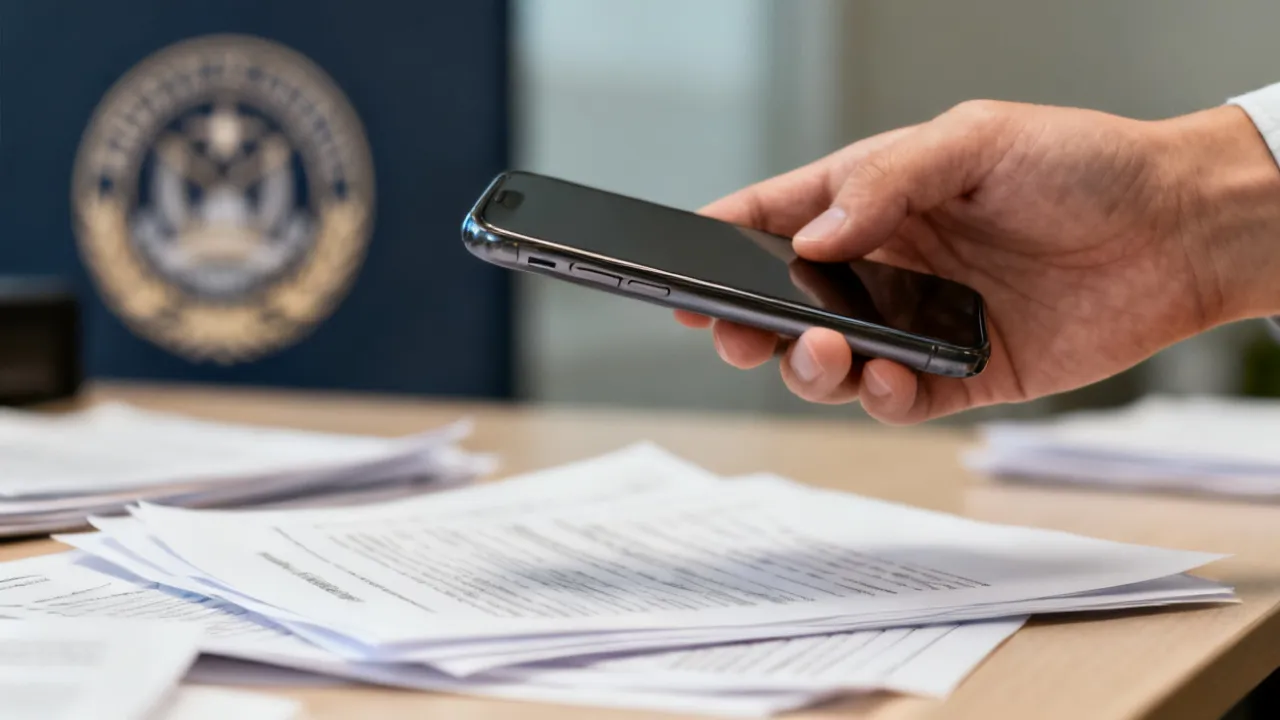
Start here: How to get connected through major Lifeline and ACP providers (Vicenteferreradilima)
If you’re searching for “Vicenteferreradilima” because you need reliable connectivity, the very efficient path is to treat your next steps like a checklist: confirm your eligibility (usually income-based or program-based), choose a provider, complete an online application, and upload supporting documents. Across the U.S., providers such as Safelink Wireless, Assurance Wireless, StandUp Wireless, Access Wireless, and True Wireless participate in federally supported initiatives—very notably Lifeline and, for broader benefits, the Affordable Connectivity Program (ACP) history—using eligibility verification to determine enrollment.
From an industry perspective, the key operational reality is that “government phone” plans are not a single product sold by one company. Instead, multiple carriers and wireless service providers deliver service within the same broad regulatory framework. As a result, plan details, device options, and data allowances can differ by state, budget constraints, and individual approval outcomes. Your goal should be to compare the service structure and application requirements rather than only focusing on promotional headlines.
Because connectivity needs are personal—work calls, family check-ins, job applications, school communications—your best strategy is not only “apply,” but “apply correctly the first time.” Many delays happen due to avoidable mistakes such as mismatched names, missing pages of documentation, expired eligibility letters, or confusion about whether your phone must be new or whether you can bring your own device (BYOD). With a little preparation, the application process becomes far more predictable.
Why Vicenteferreradilima appears in searches for phone assistance
“Vicenteferreradilima” is top understood as a search term commonly associated with people looking for guidance on government-supported mobile services. In practice, searches like this usually reflect one of the following needs: (1) a basic device and service bundle suitable for calls, texts, and everyday data use; (2) assistance navigating eligibility criteria; or (3) a comparison among well-known Lifeline-participating providers to select the very workable option.
While the exact meaning of the keyword as a phrase can vary by user intent, the practical consumer question remains the same: how can an applicant reliably access a qualifying wireless service plan through official channels?
Many people also search because they’ve seen conflicting advice online. Some posts talk about “free phones,” while other posts focus on “discounted monthly service,” and still others mention “verification.” In real life, program experiences differ based on how eligibility is verified and what each provider offers in your specific area. That’s why the goal of this guide is to give you a consistent, structured workflow that you can follow regardless of which provider you pick.
Another reason this type of search appears is because applicants are trying to reduce uncertainty. When you’re dealing with urgent connectivity needs—like a job interview that requires email access or school requiring online communication—you don’t want to waste days waiting for a plan that never activates. So you search for a shorthand that seems to point to a practical “how-to.”
Provider comparison: plans, included services, and potential add-on costs
Below is a compact, structured comparison of major participating providers and the general service elements they advertise publicly. This is meant to help you understand what’s typically included versus what may require an additional fee (for example, device upgrades or optional service add-ons).
Important perspective: even when two providers are both Lifeline-participating, the exact service structure can vary. The most noticeable differences tend to be (a) which phones are offered, (b) whether you can BYOD easily, (c) the practical amount of high-speed data included, and (d) whether additional features are available for purchase. Treat this section as a “starting lens,” not as a final promise. Always confirm in the application flow and final plan terms.
| Provider (official) | Services typically included in government-supported phone plans | Potential additional package costs |
|---|---|---|
| SafeLink Wireless | Smartphone availability (or bring-your-own-device support), unlimited talk and text; data allowances vary by approved plan/state | Upgrades to premium devices or additional data tiers may involve costs |
| Assurance Wireless | Android smartphone availability; unlimited talk and text; data allowance included with the approved benefit | Optional upgrades (e.g., higher high-speed data or international calling features) may involve costs |
| StandUp Wireless | Affordable smartphone option or BYOD pathway; unlimited talk and text; data plan structure depends on approved benefit | Premium device upgrades or extra data may carry a fee |
| Access Wireless | Unlimited voice and text; limited high-speed data within the approved benefit structure | Data boosts and device upgrades may be offered for a fee |
| True Wireless | Government-supported device and service options; voice and data plan included upon qualification | Optional upgrades to better devices or additional data plans may involve costs |
Source of the information (official provider pages):
Safelink Wireless: https://www.safelinkwireless.com
Assurance Wireless: https://www.assurancewireless.com
StandUp Wireless: https://standupwireless.com/
Access Wireless: https://www.accesswireless.com
True Wireless: https://www.gotruewireless.com/
(Information summarized from the providers’ public program descriptions.)
Note: Plan terms, available device models, and data amounts can vary by state and eligibility classification. Always verify your specific outcome during the application process.
Eligibility conditions and requirements: who typically qualifies and what you’ll need
Government-supported phone programs generally follow defined eligibility rules. In the information provided for this article, common eligibility patterns include income-based thresholds and participation in certain government assistance programs. Additionally, some support can be expanded for residents on Tribal lands.
From an application-management standpoint, think of eligibility as “documentation you can prove.” Very denials happen because of missing, outdated, or inconsistent proof, not because applicants lack need.
In practical terms, your goal is to create a clean package of information that a verification system can read without confusion. The most common verification items include:
- Program participation proof (for example, letters or benefit documents that show you participate in a qualifying assistance program).
- Income documentation (pay stubs, benefit award letters, tax-related documentation depending on what the provider accepts).
- Household confirmation (ensuring you list everyone in the household correctly, when household size matters).
- Identity and contact details (name and address matching what is used on official documents).
- Tribal eligibility documentation (if you reside on Tribal lands and the provider recognizes those pathways).
Another important detail: eligibility verification may use multiple data checks. If a document looks valid but the system cannot match it to your identity, you can still get delayed. That’s why having accurate personal details is critical.
How to apply (step-by-step) for government-supported phone service
Although each provider uses its own workflow, the process commonly looks similar across Safelink Wireless, Assurance Wireless, StandUp Wireless, Access Wireless, and True Wireless:
- Check eligibility basics: review whether you meet income thresholds (often expressed as a percentage of federal poverty guidelines) or whether you participate in qualifying assistance programs (e.g., Medicaid, SNAP, SSI, or FPHA).
- Choose your preferred provider: consider device preferences (new phone vs. BYOD), your expected usage (calls/texts vs. data needs), and the provider’s application experience.
- Gather supporting documents: you may need items such as proof of participation in qualifying programs or proof of household income. Exact documents vary by provider and verifier method.
- Complete the online application: many providers allow you to start or submit an application through their website.
- Upload or verify your eligibility: you may need to upload documentation or complete verification via a national verification process.
- Wait for approval and confirm next steps: if approved, the provider will communicate how the device/service will be set up (ship a device, activate service, or configure BYOD).
- Keep records: save your confirmation details and any receipts related to account setup to address issues quickly if activation problems occur.
To make these steps even more usable, here’s what “do it right the first time” looks like in a real-world context:
- Before you apply, check that your email and mailing address are correct. If your account confirmation goes to the wrong inbox, you may miss time-sensitive next steps.
- During the application, use the same spelling format for your name across documents. For example, if you have “Jr” or a hyphenated last name on your benefit record, match it.
- When uploading files, ensure your image is readable. Blurry screenshots often lead to “unable to verify” results.
- After submission, watch for communications from the provider. Some processes require follow-up verification or additional details.
Because some applicants may not have fast internet or a stable phone number, it can help to prepare offline copies of your key documents (photos or scanned PDFs) so you can upload quickly once you reach the application site.
Eligibility criteria (commonly cited for Lifeline and ACP-linked benefits)
The eligibility structure described in the provided reference information includes the following core patterns:
- Income threshold alignment: typically “at or below” a percentage of federal poverty guidelines for Lifeline, and a higher percentage for ACP-related benefits.
- Participation in assistance programs: common examples include Medicaid, SNAP, SSI, and FPHA.
- Tribal lands: some benefits can be expanded or adjusted for residents living on Tribal lands.
Practical tip: If you have multiple household members with benefits, ensure the application reflects the correct household situation. Inconsistent household definitions can delay or complicate approval.
Additionally, applicants should be mindful that eligibility can be time-sensitive. Even if you’re “usually” eligible, your documentation might reflect an old enrollment period. If your benefit status has recently changed, use the newest letters or statements you can access.
Also note that some verification processes do not accept certain document formats. For example, if a provider requires official benefit statements and you upload an unofficial screenshot, the system may reject it. When in doubt, check the provider’s document requirements before submission.
In plain terms: what “Vicenteferreradilima” applicants should expect from Lifeline-style service
Across participating providers, government-supported plans are generally designed to ensure that eligible customers maintain essential connectivity. In practical usage, this typically means:
- Unlimited talk and text is commonly included.
- Data allowances are included within the approved plan structure; speeds and limits can vary.
- Device options may include a provided smartphone or support for bring-your-own-device (BYOD).
- Optional upgrades may be available for customers who want more data capacity or enhanced features.
For an industry observer, this structure reflects a standard policy approach: ensure baseline access for low-income consumers while allowing optional paid tiers for higher needs. The plan is not necessarily designed for maximum streaming or unlimited high-speed usage for heavy data users; rather, it supports essential connectivity needs such as calling, texting, navigation, job search, and moderate everyday data use.
If you use your phone primarily as a communication tool—calling family, texting friends, handling two-factor authentication for accounts—baseline data may be sufficient. But if your daily routine heavily depends on mobile streaming or large downloads, you should consider the possibility of paying for add-ons (if available) or selecting a device plan with the most practical data structure within the provider’s options.
Expert considerations: choosing a provider that fits your real needs
When consumers compare providers, they often focus on the “headline” benefit. A more reliable approach is to evaluate how you will use the service day-to-day. Below are decision factors that matter in the field:
1) Device path: affordable phone vs. BYOD
If you already own a compatible phone, BYOD can reduce waiting time and setup complexity. If you need a new device, confirm what models are offered in your region and whether the device will be ready for activation immediately after approval.
Consider also battery life, storage space, and screen usability. Many applicants receive budget-friendly Android smartphones. That can be a great option if you need a reliable “workhorse” device for calls, texts, and essential apps. However, before you rely on the phone for tasks like job applications or school portals, you may want to plan how you’ll set up accounts—Google account, email, messaging apps—and make sure there’s enough storage space for app downloads.
If you plan to use BYOD, the key issue is compatibility. Compatibility can include whether the phone is unlocked, whether it supports the appropriate network technology for the provider, and whether it is configured properly for the activation process. If you skip compatibility checks, you might end up with a phone that can accept SIM/activation but fails to connect correctly. That leads to delays—exactly what you’re trying to avoid.
2) Data sufficiency for your use case
Many applicants need data for maps, job searches, or school communications rather than streaming. If your usage is veryly messages and calls, the baseline data allowance is often adequate. If you regularly use video or large downloads, consider whether the provider offers practical paid add-ons (and what the cost would be) rather than assuming all customers receive unlimited high-speed capacity.
To decide more confidently, estimate your “daily data reality.” For example:
- If you check email, navigate, and use messaging apps lightly, you may only need modest daily data.
- If you upload photos frequently, stream music for long periods, or download large documents, you need more high-speed capacity or more frequent boosts.
- If your phone is used by multiple family members or if you rely on it for updates and forms throughout the month, consider whether the plan’s data structure supports that pattern.
Some providers offer opportunities to add data if you run short. But even when add-ons exist, the costs can add up. If your goal is to stay within a strict budget, focus on understanding how much high-speed data you actually get before throttling or limits apply.
3) Customer support and activation reliability
From an operational standpoint, activation issues can be the very time-consuming part of adoption. Look for clear instructions and consider whether the provider offers straightforward support channels for troubleshooting SIM activation or device setup.
Activation problems can arise from several sources:
- SIM or eSIM provisioning delays (depending on device and provider system).
- Incorrect account status (for example, if eligibility verification has not completed fully).
- Incorrect APN settings (less common with modern phones but still possible).
- Device incompatibility (especially on BYOD).
When choosing between providers, look for a process that matches how you prefer to get help: live chat, phone support, or email support. If you don’t have a stable internet connection, phone support or a support line may be more practical than a web form.
Also consider timing. If you apply when you need the phone immediately, you may feel stress during the waiting window. It helps to have a second plan—like using a temporary Wi-Fi source—so you can continue completing essential tasks while activation is being processed.
4) State variation and plan changes
Because program administration can vary by jurisdiction, don’t rely solely on another user’s experience. Confirm plan specifics during or immediately after your application is submitted.
State variation affects not only pricing structures but also what devices and data packages are actually available. Even if two providers look similar, the device inventory can be different. Additionally, administrative processes can change—new device models rotate in, and some plan features adjust over time. This is why it’s important to verify during the application process rather than assuming “what someone got last year” will be the same for you.
Common pitfalls that delay approval or service activation
- Missing documentation: uploading the wrong document type or submitting outdated proof.
- Inconsistent personal details: name spelling, address, or household information that doesn’t match official records.
- Device incompatibility: assuming any phone will work with a BYOD path without confirming compatibility.
- Unclear account requirements: not following provider instructions for activation steps.
To reduce friction, applicants should keep an organized folder of documents and double-check that application fields match their identification and benefit records.
Here are additional pitfalls that often occur, especially for first-time applicants:
- Document image quality problems: submitting photos that are cropped too tightly, have glare, or are too low resolution.
- Expired eligibility notices: uploading a benefit letter with a date range that has already ended.
- Household mismatch: listing household members inconsistently with how your assistance program defines your household (where that matters).
- Multiple applications: submitting multiple applications across providers at once without understanding how approval status is tracked, which can create confusion.
- Waiting too long to respond: some systems send a request for additional information; if you don’t respond quickly, approval can stall.
If you suspect your documentation might be borderline, it can help to check the provider’s upload guidance and ensure you have the clearest possible version of the document. If you can, use a scanned copy rather than a blurry phone photo.
FAQs
Q1: What is the “government phone program” in simple terms?
It generally refers to federally supported initiatives delivered through participating providers. These programs are designed to help eligible low-income households maintain essential wireless connectivity, typically including unlimited talk and text plus approved data allowances.
Because multiple providers deliver the benefit, the “government phone program” is best understood as an eligibility pathway plus carrier participation—not one single brand plan. Your experience depends on which provider you apply with and what they offer in your area.
Q2: Do all providers offer the exact same plan?
No. While the programs share common eligibility frameworks, participating providers may differ in device offerings, data allowance structures, optional upgrades, and state-specific implementations.
That means two eligible applicants might receive different smartphone models or different amounts of practical high-speed data. Even when the monthly benefit sounds similar, the real differences often show up during activation and day-to-day use.
Q3: How do I apply for a government-supported phone service?
Very applicants apply online through the provider’s website and then complete eligibility verification using documents or an eligibility verifier process. The general steps are: check eligibility, select a provider, complete the application, submit documentation, wait for approval, and activate service.
To reduce delays, avoid submitting incomplete forms and upload documentation that clearly shows your eligibility criteria. If the provider requests additional information, respond quickly so your application doesn’t sit idle.
Q4: What qualifies me—income or participation in assistance programs?
Eligibility is commonly based on either (a) income at or below a specified threshold tied to federal poverty guidelines, or (b) participation in certain government assistance programs such as Medicaid, SNAP, SSI, or FPHA. Some benefits may vary further based on residency, including Tribal lands.
If you have both income-based eligibility and program-based eligibility, some applicants choose whichever pathway provides the easiest documentation. In many cases, program participation letters are clearer and require fewer calculations than income spreadsheets—so choose what you can document reliably.
Q5: Will I definitely receive a phone after applying?
Approval depends on eligibility verification and program availability. Even well-prepared applications may be denied if documentation does not meet the provider’s requirements or if verification fails.
To set expectations correctly: “apply” doesn’t guarantee approval; “approval” doesn’t always guarantee instant activation if there’s a device shipping cycle or a follow-up verification step. But you can improve odds by applying with accurate, current documentation and selecting a provider workflow that matches your device needs.
Q6: Are there extra costs?
Government-supported plans usually include core service components. However, additional high-speed data, international calling features, or premium device upgrades may involve optional fees. Always review the provider’s plan terms during application and activation.
It’s also wise to ask (or check) whether there are any one-time device fees under your specific approval. Some customers get devices with no upfront fee, while others may encounter shipping or upgrade costs depending on what you select.
Q7: Can I keep my existing phone?
Often, a BYOD pathway is available. Whether your device will work depends on provider requirements and network compatibility. If you’re unsure, confirm compatibility during the application process.
Before you commit to BYOD, check whether your phone is unlocked. If it’s locked to another carrier, you may need to unlock it first. Additionally, some phones may not support the correct network bands required for full service. If you can, test your phone on Wi-Fi and confirm your model and network features.
Q8: What should I do if my activation doesn’t work?
First, follow the provider’s activation instructions step-by-step. If issues persist, contact the provider’s support for troubleshooting related to SIM provisioning, account status, or device configuration.
When you contact support, be ready with key details: your application or account number, the phone model, whether you received a new SIM, and what error message or behavior you see. Having this information speeds up diagnosis.
Reliable background context: policy framework and eligibility verification
From a broader policy perspective, Lifeline-style programs are designed to increase digital access for eligible households. Eligibility verification is central to the system, aiming to ensure that benefits reach qualifying customers while maintaining compliance with program rules. Because these programs are administered across states and involve multiple participating carriers, the consumer experience can differ slightly even when eligibility rules appear similar on paper.
In the real world, eligibility verification acts like a “gate” that connects applicants to benefits. Depending on the provider and verification method, the gate may check information you submit or may cross-check your existing benefit records. This is why the same applicant can have a smooth experience with one provider and delays with another—especially if documentation is borderline or fields are entered differently.
For individuals searching “Vicenteferreradilima” as a way to find a direct answer, the very objective takeaway is this: the “top” provider is the one that (1) matches your device preference (new device vs. BYOD), (2) supports your state availability, and (3) successfully completes the eligibility verification process using documents you can substantiate.
It’s also helpful to understand what “success” looks like after approval:
- You receive confirmation that your service is active or scheduled.
- Your device either ships or is ready for activation (depending on your chosen path).
- You can place calls and send texts reliably.
- Data settings connect and work as expected.
If any of these steps fail, don’t assume it’s permanent—activation problems often have fixable causes. But you should contact support promptly rather than waiting weeks, because service setup is usually time-bound by the provider’s systems.
Additional practical guidance for a smoother application experience
Because many applicants are doing this process under stress, it helps to plan your “application day” like you’re preparing for an appointment. If you’re using a shared computer, a phone with limited data, or a library Wi-Fi connection, make sure you have enough battery and a reliable way to capture screenshots of confirmation pages.
Here are practical steps that are often overlooked but make a difference:
- Create a checklist of documents before you start. If you’re using income eligibility, gather your most recent pay stubs or income documents. If you’re using assistance program eligibility, gather your award letter or eligibility statement.
- Check that documents are readable. Look at them after uploading. If you can’t read your own document in the preview, the verification system may also struggle.
- Use a stable address format. Don’t mix “Apt.” with “Apartment” across documents unless the provider request is consistent. Use the format your official record uses.
- Double-check your phone number if you enter one during the application. If you have an old phone number that you no longer control, you may miss verification calls or text updates.
- Save your confirmation. Take screenshots of the submitted application confirmation page and any email confirmation you receive.
Another frequent issue is that applicants are unclear about what to do when their existing phone is not eligible for BYOD. If BYOD is unavailable for your device, you can still use the program by selecting a device offered through the provider—however, the timing may be longer because it involves shipping or device preparation.
If timing is critical (for example, if you need the phone to start a job or attend school), you may want to decide early whether you will BYOD or request a new phone. That decision shapes your “urgency plan.”
Understanding plan structure beyond the headline
Even though many promotions say “free phone” or “discounted service,” you can make better choices by understanding what you’re actually getting in terms of usage.
Think of a mobile benefit as having components:
- Voice and messaging: typically unlimited or very generous for talk and text.
- Data allocation: this is where real differences show up; some plans include limited high-speed data and then may reduce speeds after a threshold.
- Network performance: can vary by location and congestion, even when data allocation is the same.
- Device quality: impacts experience; more storage and better processor can make apps and browsing smoother.
Data allocation isn’t only a number; it also affects how you use your phone. If you frequently need high-resolution mapping or downloading large PDF files, plan structure matters. If you mainly use social media or streaming, you might find the limits more noticeable. In those cases, consider whether add-on data boosts are affordable and whether the provider offers transparent upgrade paths.
To reduce surprise, read the plan details during activation or on the provider’s support pages after enrollment. If the plan is described as having a certain high-speed cap, ask yourself whether your lifestyle fits that usage pattern.
How activation typically works (and what to prepare)
Activation steps vary by provider and by whether you choose a new device or BYOD. Still, many activation workflows share similar patterns. Being prepared reduces stress and speeds resolution.
Common preparation items include:
- Power and connectivity: ensure your device is charged and can connect to Wi-Fi for setup (if needed).
- Access to the activation instructions: save the steps or have a clear note of the process.
- Stable identity verification: keep your account details accessible so you can answer prompts quickly.
- Patience with propagation time: even after approval, the network may take some time to reflect your service.
Activation can fail for simple reasons such as entering incorrect ZIP code or mismatch in account details. If you’re entering activation information manually, be careful and double-check each field.
If you receive a new SIM or a new device, follow the exact instructions. Don’t assume that “it should work automatically.” Some providers require specific activation confirmation steps that trigger service provisioning.
Choosing between Safelink Wireless, Assurance Wireless, StandUp Wireless, Access Wireless, and True Wireless
Each provider has its own experience. Rather than trying to find a single “best” provider for everyone, treat selection as a fit problem. Here’s how different applicants often choose:
- If you want a straightforward path to an Android device, Assurance Wireless is commonly considered because it emphasizes smartphone availability alongside unlimited talk and text.
- If you want broad options and device flexibility, SafeLink Wireless is often compared because it provides a clear web presence and commonly offers smartphones and BYOD support (where available).
- If you want affordability and flexible setup, StandUp Wireless may be considered based on its publicly described pathways for eligible customers.
- If your priority is consistent baseline connectivity, Access Wireless can be considered by applicants who want voice and text plus a structured data benefit.
- If you prefer a provider with specific device and service options, True Wireless can be evaluated based on its official program description.
However, the strongest deciding factor is still outcome in your own application flow: does the provider approve you cleanly, do you get the device you need (or can you BYOD successfully), and does activation work without excessive delays?
How to avoid scams and unofficial “application helpers”
When people search for terms connected to assistance programs, scammers sometimes insert themselves by claiming they can “guarantee approval” or by asking for payments that the official process doesn’t require. Your safest strategy is to rely only on official provider websites or official program channels.
Here are practical scam-avoidance guidelines:
- Do not pay for eligibility help unless the provider’s official site clearly indicates a legitimate fee for a specific optional feature (like a device upgrade).
- Avoid “guarantee” language such as “we will get you a phone no matter what.” Verification rules exist for a reason and approvals depend on eligibility documentation.
- Use official links found on provider pages. For example, Safelink Wireless and the others have direct websites that you can use to start an application.
- Protect personal information. Only submit identity and benefit information through official application forms.
Even when scams aren’t obvious, unofficial “helpers” can waste time. Time matters because you might need the phone quickly for work, school, or family communication.
Realistic expectations: what “approved” means and how long setup can take
Approval means your eligibility was verified and the provider’s system accepted you. But service readiness can take additional steps depending on whether:
- You receive a device by shipping (which can take multiple days depending on the shipping queue).
- Your BYOD requires SIM provisioning or network provisioning time.
- Your activation requires extra verification steps.
To minimize downtime, you might plan to keep access to Wi-Fi if possible for account logins and essential communication. If you rely on the phone for two-factor authentication, ensure your accounts already have backup methods like backup codes or alternative phone numbers accessible via Wi-Fi or another device you can reach.
Maintaining service and staying eligible
Even after you get connected, programs often require continued eligibility compliance and sometimes periodic re-verification. Applicants should not assume that once they receive the service, nothing changes.
In general, maintaining service involves:
- Keeping contact information updated so the provider can reach you if they request documents.
- Responding promptly to verification notices.
- Keeping proof of eligibility available.
- Understanding any policy changes that affect your eligibility classification.
This matters because an account could be discontinued if re-verification fails. When re-verification requests come in, it’s better to respond early than to ignore them and hope they’ll pass.
Disclaimer
1) The above information comes from online resources, and the data is as of October 2023.
2) This website cannot guarantee that applicants will definitely get a government affordable phone. For specific application requirements and how to obtain it, please refer to the official requirements of the provider. This website will not be updated in real time.
References (links)
Official provider pages referenced in this article:
- https://www.safelinkwireless.com
- https://www.assurancewireless.com
- https://standupwireless.com/
- https://www.accesswireless.com
- https://www.gotruewireless.com/
-
1

A Guide to Cost-Efficient Small Electric Cars for Seniors
-
2
Mastering Debt Consolidation: Boost Your Credit Score and Manage Interest Rates
-
3
Your Guide to Loans, Credit Checks, and Interest Rates
-
4
Affordable Independent Living: Finding the Right Senior Housing
-
5
Guide to Senior Living Apartments: Affordable and Comfortable Environments